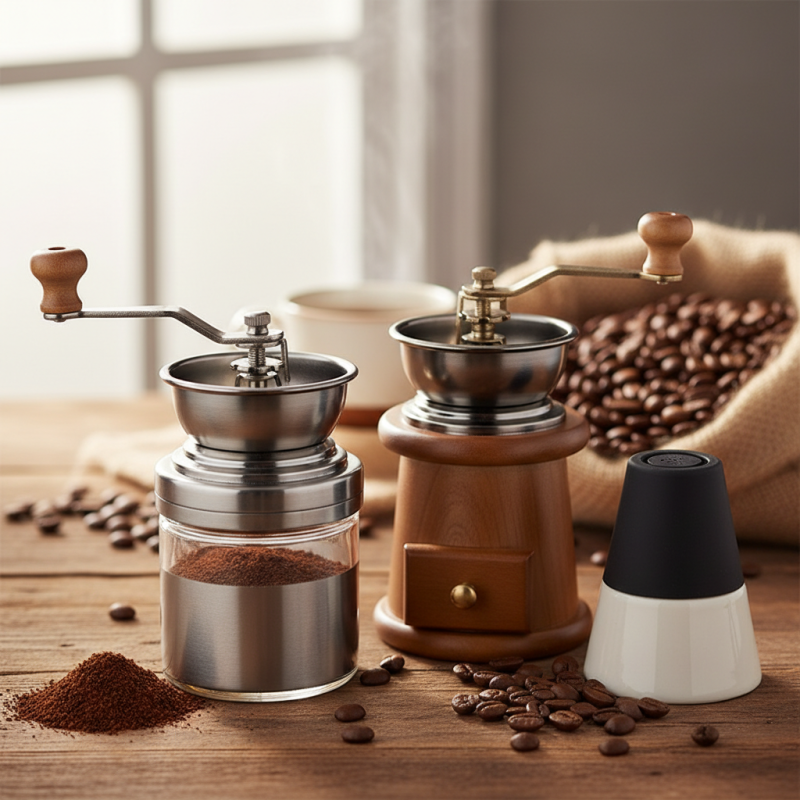
What is a Manual Coffee Grinder and How to Choose the Best?
A Manual Coffee Grinder is an essential tool for coffee enthusiasts. It allows for greater control over grind size and consistency. By using one, you elevate your brewing experience. Many believe that freshly ground coffee offers superior flavor and aroma.
Choosing the best Manual Coffee Grinder can feel overwhelming. There are various designs and mechanisms to consider. You might wonder which features matter most. For instance, material quality and grind adjustment systems play vital roles. A well-built grinder can last for years, giving you excellent value. However, not all grinders perform equally, and some may underwhelm.
In this guide, we explore the significant factors when choosing a Manual Coffee Grinder. We aim to provide insights based on experiences and expert opinions. By understanding these aspects, you can make a more informed decision. Remember, a great cup of coffee starts with the right grinder.
What is a Manual Coffee Grinder and Its Functionality
A manual coffee grinder is a device used to grind coffee beans by hand. Unlike electric grinders, they offer more control over the grind size. This allows for a fresh brew tailored to individual preferences. The process of grinding coffee manually can be quite therapeutic. It connects you to each step of making coffee, enhancing the overall experience.
The functionality of manual coffee grinders typically revolves around their burr mechanism. Burr grinders create a uniform grind, crucial for flavorful coffee. Some models have adjustable settings, allowing you to customize the coarseness. This feature enables different brewing methods, from espresso to French press. The tactile experience of turning the handle is appealing, but it may require more effort compared to electric counterparts.
Selecting the best manual grinder can be challenging. Look for a model with quality materials and solid construction. A hopper that holds enough beans without wasting them is important. Pay attention to the grinding speed, as it affects consistency. It's easy to overlook the grind size adjustment but it is essential for achieving the desired flavor profile. The journey to find the right grinder may take time, deserving reflection on what matters most in your coffee ritual.
Key Components of Manual Coffee Grinders Explained
Manual coffee grinders offer a unique approach to brewing coffee, focusing on control and quality. The key components of these grinders significantly impact performance and taste. Burrs, often made of stainless steel or ceramic, play a crucial role. They provide consistent grind size, essential for a balanced extraction. According to a study published in the Journal of Food Science, uniform grind size enhances flavor, allowing essential oils to be released evenly during brewing.
Another important component is the adjustment mechanism. It determines the range of grind sizes available. Many manual grinders feature a stepped or stepless adjustment. Stepless models allow precise control over grind size. A report by the Specialty Coffee Association notes that precise grind control can increase flavor complexity by up to 30%. The hopper also matters, as its capacity can affect your grinding experience. A larger capacity is beneficial for those who brew multiple cups.
Finally, consider the grinder's build quality. Materials such as metal or high-grade plastic can influence durability and ease of use. Some users find that plastic components may wear down faster than their metal counterparts. Thus, investing in a well-constructed manual grinder can prove essential for long-term enjoyment of the coffee experience. As with any tool, users should reflect on their preferences and needs to find the right fit.
Benefits of Using a Manual Coffee Grinder Over Electric Grinders
Many coffee enthusiasts are turning to manual coffee grinders for their brewing needs. A manual grinder offers several advantages over electric grinders.
Firstly, they provide unmatched control over the grind size. This is crucial for achieving the perfect extraction, as different brewing methods require specific grind sizes. According to the Specialty Coffee Association, the right grind size can enhance flavor clarity and aroma intensity by up to 30%.
Another significant benefit is the preservation of flavor. Manual grinders produce less heat during the grinding process. Heat can degrade critical flavor compounds in coffee beans. A study from the Journal of Food Science indicated that maintaining lower temperatures during grinding can result in a 12% increase in overall flavor retention.
This is especially important for specialty coffee beans, which can lose their unique profiles if overheated. The durability of manual grinders also stands out. They often feature robust materials that can withstand daily use.
While electric grinders may have components that wear out, manual grinders can last for years with proper care. That said, not all manual grinders are created equal. Some users report challenges with consistency, especially with cheaper models. Investing time in finding the right model is essential for maximizing the grinder's potential.
Factors to Consider When Choosing the Best Manual Coffee Grinder
When choosing the best manual coffee grinder, several factors come into play. The grind size options are crucial. A good grinder offers a range of settings from coarse to fine. It allows for versatility when brewing different coffee methods. Ensure it maintains consistency in grind size. Inconsistent grinds can lead to uneven extraction, which hampers flavor.
Material matters too. Grinders made from stainless steel or ceramic often provide durability. These materials resist wear over time. However, they can be pricier. Don’t overlook the build quality and design. A sturdy construction will feel reliable. A comfortable grip helps during the grinding process.
Tips: Always check reviews for insights. User experiences can reveal hidden issues. Consider the size of the grinder as well. A compact design is portable, making it great for travel. Finally, trust your instincts. Your preferences will guide you to the right choice.
Maintenance Tips for Keeping Your Manual Coffee Grinder in Top Shape
Maintaining your manual coffee grinder is crucial for its longevity and performance. Regular cleaning is key. Oily residues can accumulate, affecting the taste of your coffee. After each use, brush the grinder's interior with a small brush. This prevents the buildup of coffee grounds. Occasionally, disassemble the grinder for a thorough clean.
Tips: Use warm, soapy water to clean detachable parts. Make sure they are completely dry before reassembling. Avoid using harsh chemicals. These can damage the grinder's materials and affect your coffee's flavor.
Lubrication is another important aspect. Though manual grinders don’t require much oil, a small drop can help maintain moving parts. However, too much lubrication can attract dust and grime. Monitor the condition of the burrs as well. If they appear dull, consider replacing them.
Remember, it’s easy to overlook some parts during maintenance. Keep an eye on screws and tighten them if necessary. Regular checks will ensure a smoother grinding experience and ultimately better coffee.
Coffee Grinding Consistency
This bar chart illustrates the ideal grind size particle distribution for different coffee preferences. Coarse grind is typically preferred for French press coffee, while fine grind is often used for espresso. The distribution reflects the recommended proportions for achieving optimal flavor extraction in various brewing methods.