


What Is a Maize Flour Mill Machine and How Does It Work?

A Maize Flour Mill Machine turns dried maize kernels into flour for household, commercial, and industrial food production. It looks simple from outside, yet its internal process involves controlled feeding, cleaning, conditioning, grinding, and sieving. Understanding each stage helps buyers, operators, and maintenance teams choose equipment more wisely.

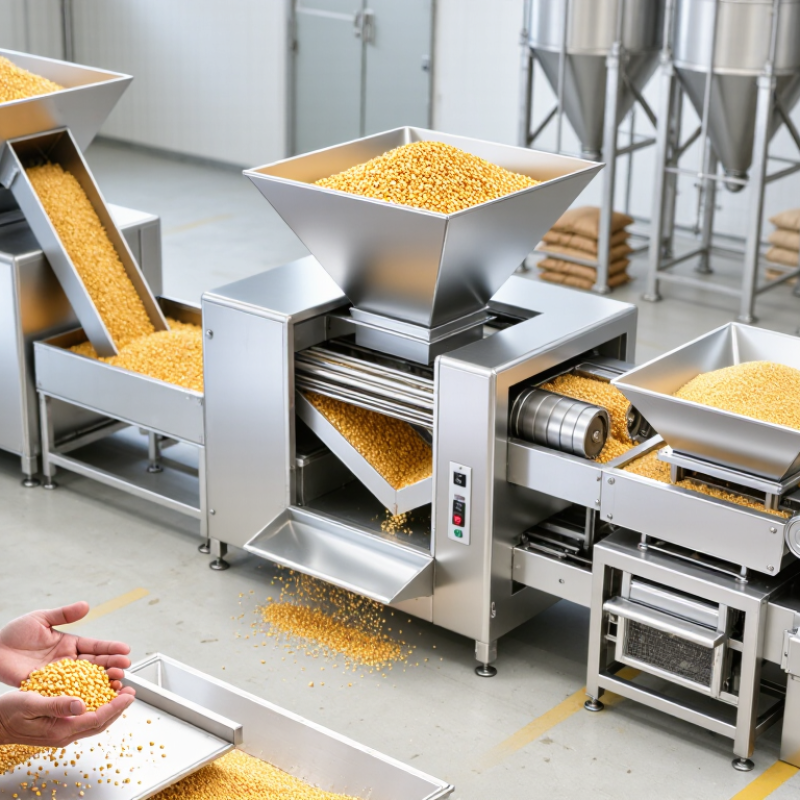
The process starts when maize enters a hopper. Magnets, screens, and air channels can remove metal, stones, dust, and light debris. Clean grain then moves toward rollers, plates, or hammers, depending on the machine design. Some systems temper the kernels with a measured amount of water. This softens the outer layer and can improve separation. The grinding chamber reduces the grain gradually rather than crushing everything at once. A sieve then separates fine flour from larger particles. Oversized material may return for another pass.

Performance depends on kernel moisture, screen size, motor power, and operator settings. A practical operator checks flour texture by touch and appearance, but laboratory testing gives more reliable results. Machines can produce different outputs under similar conditions. That is easy to overlook. Heat, worn parts, or uneven feeding can change color, taste, and yield. Regular cleaning also protects food quality and reduces cross-contact risks. Every installation should follow the manufacturer’s instructions and applicable food-safety requirements. This article explains the structure, key components, operating factors, and realistic limitations of a Maize Flour Mill Machine. No machine is perfect. Good results require attention, records, and occasional adjustment.
What Is a Maize Flour Mill Machine and How Does It Work?

What a Maize Flour Mill Machine Is and What It Produces

A maize flour mill machine is equipment that turns dried maize kernels into edible flour and other useful products. It usually includes a hopper, feeder, grinding chamber, screens, and dust-control components. Depending on its design, it may use steel plates, rollers, or hammer mechanisms. The screen controls particle size, while the grinding gap affects flour fineness. In practical milling work, moisture matters greatly. Kernels that are too wet may smear during grinding. Very dry kernels can create excess dust and uneven output. Small details matter.

The main product is maize flour, but the machine can produce several grades. Fine flour has a smooth texture for baking, porridge, and thickened dishes. Coarser meal contains larger particles and often provides a stronger grain texture. Some systems also separate grits, bran, and germ. Whole-maize meal keeps more parts of the kernel, while sifted flour removes some coarse material. Not every output is equal. Settings must match the intended use.

During operation, kernels move through the grinding chamber and pass over a screen. Operators often inspect samples, check the feed rate, and adjust the machine when the texture changes. A reliable result depends on clean surfaces, stable power, correct alignment, and regular maintenance. There is room for error. Excessive heat may affect flavor, and poor cleaning can compromise product quality. Even a simple-looking machine requires careful observation.

What Is a Maize Flour Mill Machine and How Does It Work?

Data Dimension Typical Information Practical Significance
Machine definition A maize flour mill machine is equipment designed to clean, condition, grind, sift, and sometimes degerminate dried maize kernels. It converts whole maize into flour, meal, grits, or related milled products.
Main raw material Dried maize or corn kernels with controlled moisture, generally free from stones, metal, mold, and excessive foreign matter. Raw-material cleanliness and moisture strongly affect flour quality, machine performance, and storage stability.
Typical moisture condition Maize is commonly milled after drying to approximately 12%–15% moisture, although the target depends on the product and process. Too much moisture can cause clogging and poor separation; excessively dry maize may increase fines and energy consumption.
Primary processing stages Cleaning → destoning → conditioning or tempering → degermination when required → milling → sifting → packing. Each stage removes a specific impurity or controls particle size and product consistency.
Cleaning system Screens, air aspiration, magnets, and destoners may be used to remove dust, husks, stones, metal particles, and other contaminants. Effective cleaning protects grinding components and improves food safety.
Grinding principle Maize is reduced in size by impact, compression, shearing, or a combination of these forces, depending on the mill design. The grinding method influences flour fineness, temperature rise, throughput, and energy use.
Common milling mechanisms Hammer mills use high-speed impact; plate or disc mills use adjustable friction and shearing; roller mills use controlled compression and shearing. The suitable mechanism depends on the desired product, production scale, and required particle uniformity.
Flour fineness control Fineness is controlled by screen aperture, roll gap, disc clearance, feed rate, and the number of grinding or sifting passes. Smaller openings and additional passes generally produce finer flour but may reduce capacity.
Main products Whole maize flour, refined maize flour, sifted meal, maize grits, and degerminated meal. Product selection depends on local food practices, customer requirements, and the degree of bran and germ removal.
By-products Bran, germ-rich fractions, coarse particles, screenings, and process dust may be separated during milling. By-products may be used in animal feed or other applications, subject to safety and quality requirements.
Typical capacity range Small units may process tens to several hundred kilograms per hour; larger integrated plants can process several tonnes per hour. Actual capacity varies with maize variety, moisture, product fineness, equipment configuration, and operating conditions.
Power requirements Power demand ranges from a few kilowatts for small mills to substantially higher ratings for multi-stage commercial systems. Motor size should be selected according to throughput, grinding resistance, duty cycle, and available electrical supply.
Output quality indicators Particle-size distribution, color, moisture, cleanliness, ash content, fat content, odor, and absence of visible contaminants. These indicators help determine whether the flour is suitable for household cooking, food manufacturing, or animal feed.
Temperature management Airflow, correct feed rate, sharp or properly adjusted grinding surfaces, and scheduled pauses can help limit heat buildup. Excessive heat can affect flavor, color, nutrient stability, and the shelf life of flour.
Dust control and safety Enclosed transfer points, dust extraction, proper ventilation, grounding, guards, and routine housekeeping are important. Fine grain dust can affect worker health and may create a combustible-dust hazard if allowed to accumulate.
Routine maintenance Inspect screens, hammers, plates, rollers, bearings, belts, magnets, seals, and dust filters; clean product-contact areas regularly. Preventive maintenance supports stable capacity, consistent flour quality, and safer operation.
Best-fit applications Household processing, small community mills, farm-based processing, institutional kitchens, and commercial maize-flour production. The appropriate machine size and configuration should match expected daily volume, product specifications, utilities, and available labor.

Main Components and Their Functions in the Milling System

A maize flour mill machine converts cleaned maize kernels into flour through controlled size reduction. Its milling system includes several linked components, and each one affects texture, yield, and food safety. The process starts with a cleaning unit. Screens remove stones, cobs, and dust, while an air channel separates lighter husks. A magnet may capture ferrous fragments. Clean grain matters.

A conditioning bin adds measured water and resting time, helping loosen the bran from the endosperm. Operators must adjust moisture carefully. Excessive water can block screens, while too little may increase flour discoloration. The roller or hammer mill then applies pressure, impact, or shear. Rollers produce more controlled particles, whereas hammers offer a simpler, flexible design. The choice depends on the target flour and capacity. Inside the grinding chamber, wear parts gradually change the output.

A plansifter separates ground maize by particle size. Fine flour passes through selected mesh, while oversized material returns for another grinding cycle. This circulation improves consistency but consumes more power. A cyclone or aspiration system removes heat and airborne bran, while a sealed collection unit protects the finished flour from contamination. Sensors can monitor motor load, temperature, and vibration. These readings support preventive maintenance, though they do not replace skilled inspection. I would check sieve tension, bearing noise, and flour temperature before changing settings. No setup is perfect. Small adjustments often reveal hidden losses in yield or cleanliness.

How Maize Is Prepared Before Entering the Milling Chamber

Before a maize flour mill machine starts grinding, the kernels need careful preparation. Field maize may contain stones, husks, dust, insects, and damaged grains. A cleaner removes most foreign materials, while magnets protect the milling chamber from metal fragments. Screens then separate oversized pieces and fine dust. This step is simple, but it directly affects flour safety and equipment wear. Codex Alimentarius Standard CXS 153-1985 sets a 15.5% maximum moisture level for maize grain traded internationally. Millers still adjust moisture for the desired flour texture. Clean kernels are commonly conditioned near 14–16% moisture, depending on variety and milling design.

Water is added gradually during tempering. The bran becomes tougher, while the endosperm softens slightly. This difference helps the machine separate bran, germ, and starchy endosperm. FAO’s Maize in Human Nutrition identifies the endosperm as roughly 82% of the kernel, with the germ near 11%. Those proportions explain why preparation matters. Excess water can produce sticky meal and block screens. Too little water may create dusty flour and excessive bran fragments. Small errors matter. Operators check moisture, temperature, smell, and kernel appearance before feeding the chamber. A warm kernel can feel dry but mill poorly. That judgment is not fully automatic. In practice, conditioning time may range from several minutes to hours, based on kernel hardness and equipment settings.

How Maize Is Prepared Before Entering the Milling Chamber

The chart shows typical maize moisture levels through key preparation stages. Cleaning removes dust, stones, metal, and other impurities without significantly changing moisture. During conditioning, a controlled amount of water is added so the bran becomes tougher and the endosperm can be milled more efficiently. Tempering allows the moisture to distribute evenly before milling. Actual targets vary according to maize variety, product specification, and mill design.

Step-by-Step Process of Turning Maize Kernels into Flour

What Is a Maize Flour Mill Machine and How Does It Work?

A maize flour mill machine converts cleaned maize kernels into fine, usable flour. The process begins with inspection and cleaning. Operators remove stones, dust, metal particles, and damaged kernels. A cleaner, magnet, or vibrating screen can support this stage. The kernels are then dried to a suitable moisture level. Too much moisture may cause clogging. Excessive dryness can create heat and reduce flour quality.

Some mills remove the outer husk and germ before grinding. This produces a lighter flour with a smoother texture. The prepared kernels enter the grinding chamber, where rotating plates, hammers, or rollers break them into smaller particles. Milling speed and gap settings affect the final result. The ground maize passes through a sieve. Fine flour moves into a collection container, while coarse particles return for another grinding cycle. This step-by-step movement improves consistency, although results are not always perfect.

Tips: Check the sieve before every batch. Clean the chamber after use. Measure moisture instead of guessing. Keep the feed rate steady, because overloading may produce uneven flour. A practical operator also checks flour temperature, color, smell, and particle size. Small adjustments often matter. Safety guards must stay in place, and power should be disconnected before maintenance.

Key Factors That Affect Flour Quality and Machine Performance

A maize flour mill machine cleans, conditions, degerminates, grinds, and sifts maize into usable flour. Its performance depends on how well these stages work together. Global maize production reached about 1.2 billion metric tons in the 2024/25 USDA Foreign Agricultural Service estimate. That scale makes process consistency commercially important, not optional.

Kernel moisture is a major quality factor. Dry maize can create excess fines and heat during grinding. Over-conditioned maize may clog screens and produce uneven particles. Many mill operators target moisture near 14–16%, but the correct level depends on maize variety and equipment design. Cleaning efficiency also matters. Stones, dust, and broken kernels can damage rollers and increase ash content. The FAO’s cereal processing guidance emphasizes proper cleaning and controlled moisture before milling.

Screen condition, grinding speed, and roll gap directly affect flour texture. Smaller gaps usually produce finer flour, but excessive pressure can raise temperature and reduce freshness. In practical plant checks, flour should be tested for moisture, particle size, color, ash, and microbial safety. A warm flour sample is a warning sign. The Codex Standard for Maize and maize-based foods provides useful safety benchmarks, but local specifications may differ. A perfect setting on paper can still fail after seasonal maize changes. Operators should record results from each batch, although many facilities do not record enough. That is an avoidable weakness.

Powder Coat Booths

For those larger-sized parts, or smaller quantity runs, we have 2 independent powder coat booths and ovens. The quality, durability and affordability of today’s powder coating finishes make this the process of choice for world-class companies.

Powder coating advantages over other forms of coating are many. Materials used in the Powder coating process can be metals and non-metals that come in a multitude of thicknesses, textures, colors, etc. Another of Powder coating’s biggest advantages over conventional coatings is its ability to create finishes in many different textures. Powder Coating Booths allow us the ability to apply these advantages to large products.

Wet Paint Line

Tri-State Fabricators runs a full-service conveyor line for painting. Wet painting can provide protection or decoration to many different part styles. From start to finish, every project is easier to undergo random and point-based inspection by our skilled painting team.

Advantages to our Wet Paint Line are these lines start with product prep and ends with a thorough inspection of a high quality finished product. Our ability to complete large and small projects with a superior finish and doing so in a timely and economical fashion. This passes along the savings in production to our customers. When powder coating ins not an option, our Wet Paint Line gets the job done right the first time.

Wet Paint Booths

When the parts get big and heavy we roll-out our custom paint racks and oversize booth. By utilizing our partnerships with all the major paint brands, we can match virtually any color with wet paint.

The advantages of having access to a Wet Paint Booth are many. Large projects of many different shapes can be loaded into the booth. The Wet Paint Booth offers an environment that is much more controlled than a typical parts painting operation.

Not only are they used because of their controlled environment, but they’re are also advantageous when it comes to applying paint to parts that are needed in industries that require specialty coatings such as medical, aerospace, etc.

Military CARC

Our military forces have some very high standards when it comes to the finish of their vehicles and equipment. From the first pre-treatment step to final coat, it takes a great deal of knowledge and experience to protect the men and women of our armed forces. They deserve only the best, and Tri-State Fabricators provides it.

All of our processes are closely monitored by our staff and management teams. Both of which are highly trained in the processes of metal fabrication and finishing. Tri-State Fabricators’ goal is to always fully satisfy each and every customer, including the military. We will always put a 110% into what we do.

Glass-Bead Blasting

Abrasive media blasting is an excellent way to remove old paint, rust, and increase the paint/powder adhesion. Glass beads produce a much smoother and brighter finish than angular abrasives; leaving the part clean yet without any dimensional change. Chemically inert and environmentally friendly, we can recycle our beads approximately 30 times; making them a more preferred method of metal cleaning or surface finishing.

Advantages to Glass Bead Blasting are many. Glass bead blast media is used when a project is needing rough surfaces need to become smooth for applications of coatings such as paint. It is typically used to clean paint and rust from a product surface without deforming the surface it is being used on. Overall, compared to many other blasting media, Glass Bead Blasting is a very economical choice and those savings are always passed on to our customers.

Part Washing

Tri-State Fabricators utilize a zinc phosphate wash to clean and etch the material to ensure the best paint adhesion possible. The unique design of our 3-stage wash system does the work like a 5-stage. From Cleaning and rinsing to conversion coating and post-treatment, Our Part Washing process is a complete service and works throughout the fabrication service and the finishing service.

Along with the previously mentioned benefits, Curing is a vital chemical reaction that leaves the product finish hard and relatively safe from mild abrasion and aggressive corrosion. This process can be done in more than one way; ambient air-dry or in curing ovens at temps that exceed 240°.

Burn-Off Oven

From fixing paint mistakes (someone else’s of course) to simply cleaning our paint line hooks, our burn-off oven is put to good use. After a quick burn-off, a little clean up, and a fresh coat of paint, your parts will look better than new.

Why does our Burn-Off Oven work so well? Because super heating the air around parts turns the materials into ashes. From paint and powder coatings to rubber and machining oils, high temps do the job without degrading the integrity of the part.

Masking

Masking is a vital part of producing high quality products. We have die-cut masking patterns to protect machined surfaces as well as a wide range of plugs and caps to protect threaded holes and bolts. We provide permanent and temporary masking.

Masking allows the selected sections of a product to be protected from a fabrication or finishing service. This can be with both chemicals when etching and tapes, paints when only finishing just a section of the product. Masking is great in aiding the customization process of a project.

Screen Printing

Screen printing is a photographic process that transfers artwork onto a porous nylon screen which allows colored ink to flow through the screen and be deposited on an aluminum or plastic component. We can generally have just about any design created onto a screen for your parts.

Some of the advantages of Screen Printing are, brand recognition for your business displaying on your products, assembly instructions, product warnings/hazards, etc. Tri-State Fabricators produces Screen Printing of the highest quality so you know it’s durable.

Metal Finishing

Metal Finishing is the art of treating the exterior portion of product, often metal but can also be made of other materials, so that the surface is clean and free of any debris. Then the process of applying coats or either paint of powder coat takes place. This coating process improves the quality of the product in both appearance and resistance to wear and corrosion.

Tri-State Fabricators, Inc., understands that a project typically isn’t complete until a high-quality finish has been added to your product. This is why our painting and powder coating teams continuously inspect the products throughout the Metal Finishing process.


