What is Machined Parts and Their Importance for Global Buyers?
In today's global market, the significance of machined parts cannot be overstated. As an industry expert, John Smith once said, “Machined parts are the backbone of advanced manufacturing.” These components enable the precision and reliability essential for various applications, from aerospace to automotive.
Machined parts cover a diverse range of materials and processes. They enhance product performance and durability. Buyers across the globe seek high-quality machined parts to ensure their projects succeed. Yet, the quality can vary widely among suppliers. This inconsistency raises concerns for many manufacturers regarding the final product.
Global buyers face a unique challenge. There is a need to balance cost and quality. They must navigate the complexities of supply chains. Understanding the importance of machined parts is crucial for making informed decisions. This understanding fosters growth in innovation and efficiency in production processes, ensuring a competitive edge in the marketplace.
Definition of Machined Parts and Their Characteristics
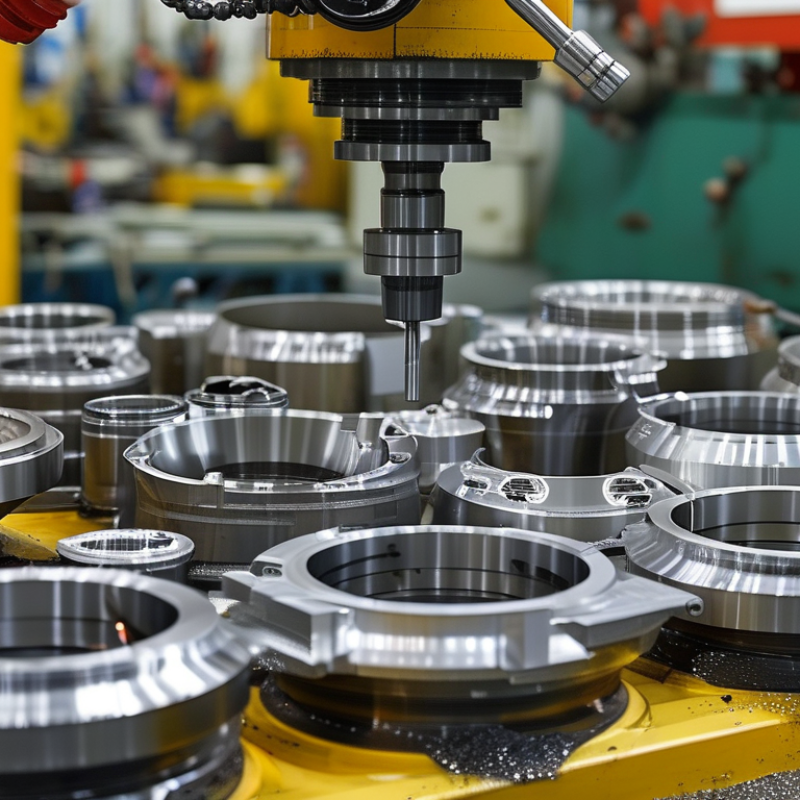
Machined parts refer to components created through various machining processes. This includes drilling, turning, and milling. These techniques shape materials, typically metals or plastics. The properties of machined parts are crucial for their applications in industries like aerospace and automotive. They are known for precision and high tolerances.
In 2022, the global machining market was valued at approximately $80 billion, according to industry reports. The demand for precision components in machinery is rising. Many manufacturers seek parts with exact specifications. Factors such as surface finish and dimensional accuracy must be considered. Parts often undergo rigorous quality control processes, yet there can be inconsistencies in batch productions.
Many machining processes generate waste material. This can lead to increased costs and resource use. Sustainability is becoming a focus for industries. Buyers are looking for supplier partners who minimize waste. As global demand increases, the importance of efficient machining and sourcing reliable parts continues to grow. Companies must adapt to these challenges to remain competitive.
Common Materials Used in Machined Parts Production
Machined parts play a vital role in modern manufacturing. These components are crafted from various materials, each offering unique properties suited for different applications. Understanding these materials is essential for global buyers looking to optimize their production processes.
Common materials used in machined parts production include metals, plastics, and composites. Metals like aluminum, steel, and titanium are popular due to their strength and durability. These materials can withstand harsh environments, making them ideal for aerospace and automotive industries. Plastics, such as nylon and polycarbonate, are also widely used. They are lightweight and resistant to corrosion but may lack the strength of metals. Composites combine materials to create parts that are both strong and lightweight, which is particularly advantageous in industries requiring high performance with reduced weight.
However, choosing the right material is not straightforward. Each option has its pros and cons, which should be weighed carefully. For instance, while metals offer superior mechanical properties, they can also increase production costs. Plastics may lower costs but could compromise durability. Understanding these trade-offs is crucial for manufacturers aiming for efficiency and longevity in their products. Buyers must consider their specific needs, as a one-size-fits-all approach does not exist in the realm of machined parts. The right decision often leads to better performance and cost savings in the long run.
Importance of Common Materials Used in Machined Parts Production
This chart illustrates the usage percentage of common materials employed in the production of machined parts, highlighting their significance for global buyers. Aluminum ranks as the most utilized material, followed by Steel and Brass, demonstrating the diverse applications of these materials in manufacturing processes.
Applications of Machined Parts in Various Industries
Machined parts play a crucial role in various industries, impacting production efficiency and product quality. These precision components are vital in aerospace, automotive, and medical sectors. In the aerospace industry, machined parts ensure the reliability of aircraft systems. For example, components like brackets and shafts must withstand high stress. Each piece must meet stringent safety standards.
The automotive sector also relies heavily on machined parts. Engine components, transmission parts, and chassis elements require precision machining. A small error in these parts can lead to significant failures. In the medical field, surgical instruments are crafted from precisely machined materials. Their accuracy can directly affect patient outcomes.
Looking at these applications, there are challenges. Variability in materials can lead to unforeseen issues in the manufacturing process. Additionally, the demand for rapid production can compromise quality. Industries must balance speed and precision to ensure reliability. While machined parts are essential, they require continual examination and improvement to meet evolving standards.
Factors Influencing Global Demand for Machined Parts
Global demand for machined parts is shaped by various factors. One key influence is technological advancement. As industries evolve, the need for precision-engineered components grows. Industries like aerospace and automotive increasingly rely on high-quality machined parts to meet stringent performance standards. This reliance drives innovation and raises the bar for manufacturers.
Economic conditions also play a significant role. Fluctuations in global markets can impact the availability and cost of raw materials. Buyers are constantly searching for cost-effective solutions without compromising quality. Hence, sourcing from regions with competitive manufacturing capabilities becomes essential. Trade agreements and tariffs further complicate this landscape, influencing where parts can be procured and at what price.
Another factor is the shift towards sustainability. Many buyers now prioritize eco-friendly manufacturing processes. They seek suppliers who implement sustainable practices in the production of machined parts. This shift can challenge traditional manufacturing methods. Adopting new practices requires investment and adaptation. Buyers must evaluate suppliers not just on parts quality, but also their environmental impact. Understanding these elements is crucial for global buyers looking to make informed decisions.
Benefits of Sourcing Machined Parts for International Buyers
Sourcing machined parts has become a pivotal strategy for international buyers. The global market for precision machining is projected to reach $80 billion by 2025, driven by high demand across various industries. Machined parts are crucial for product consistency and quality, helping companies meet strict quality standards.
International buyers benefit from a diverse landscape of suppliers. This diversity enables them to negotiate better prices and terms. Access to advanced manufacturing technologies can reduce lead times and enhance production efficiency. Data suggests that companies sourcing machined components can achieve cost savings of 10-30%. However, finding reliable suppliers can be challenging. Buyers often face quality control issues and communication barriers.
Building strong relationships with suppliers is essential. Trust enhances collaboration and can lead to better innovation. Moreover, buyers should constantly evaluate supplier performance. Regular audits and feedback ensure that quality standards are maintained. Balancing cost with quality is not always straightforward. As global markets shift, understanding these dynamics is vital for sustained success in sourcing machined parts.
What is Machined Parts and Their Importance for Global Buyers? - Benefits of Sourcing Machined Parts for International Buyers
| Dimension | Material | Application | Importance for Buyers |
| 10mm x 5mm x 2mm | Aluminum | Aerospace | Lightweight and corrosion-resistant. |
| 20mm x 10mm x 5mm | Stainless Steel | Medical Devices | Durability and hygiene standards compliance. |
| 15mm x 15mm x 15mm | Brass | Automotive | Excellent machinability and electrical conductivity. |
| 30mm x 30mm x 10mm | Titanium | Defense | High strength-to-weight ratio and resistance to extreme environments. |
| 5mm x 10mm x 0.5mm | Carbon Steel | Electronics | Cost-effective and sturdy for various components. |





