What Is an M8 Pico Connector Used For?
An M8 Pico Connector is a compact circular connector used to link small sensors and other field devices to industrial equipment. Its M8 threaded coupling helps secure the connection where vibration or limited installation space makes loose wiring inconvenient. You may find it on proximity sensors, photoelectric sensors, compact actuators, and equipment used on conveyors or packaging lines. It is small, but the connection still needs careful selection.
The connector can carry signals and, in some configurations, power. Pin count, wiring, and compatibility vary by product, so an M8 label alone does not confirm that two parts will work together. Check the device documentation and pin assignments before installation. That detail is easy to overlook. Environmental protection also depends on the specific connector, cable, and mated assembly; do not assume every M8 Pico Connector has the same sealing rating. In practice, choosing one means balancing space, electrical requirements, cable routing, and operating conditions. A connector that fits neatly may still be the wrong match. This guide explains common uses and the specifications worth checking, while recognizing that actual requirements differ across machines and applications.
What an M8 Pico Connector Is and How It Is Identified
An M8 Pico connector is a compact circular connector used to link sensors, switches, and actuators with control equipment. “M8” refers to the nominal 8-millimeter thread on its coupling nut. The IEC 61076-2-104 technical specification defines key dimensions and mating details for M8 circular connectors. That measurement is a useful identification clue.
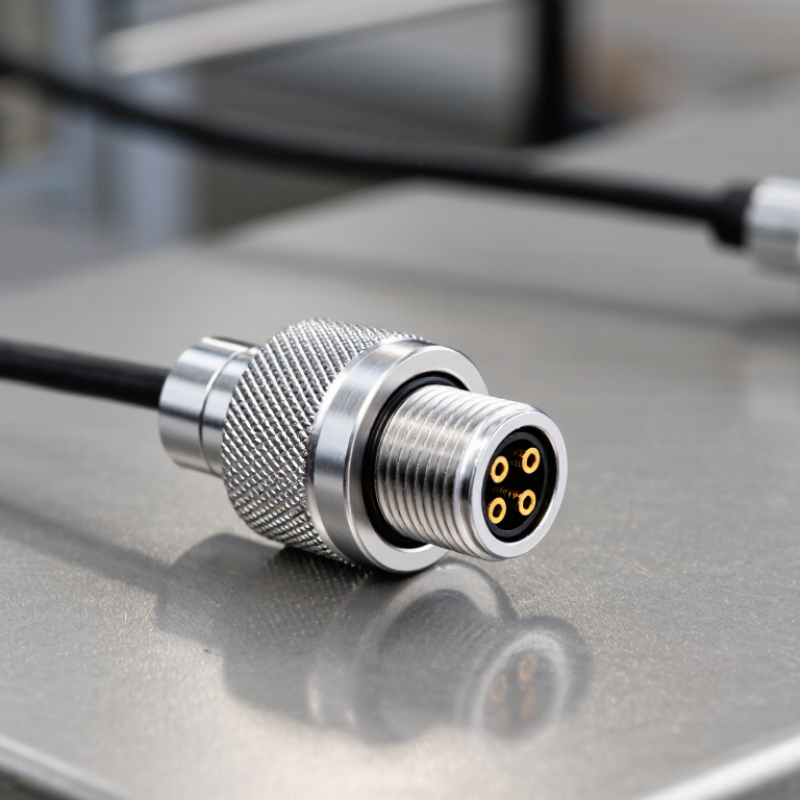
Look closely at the connector’s threaded metal collar, circular face, and pin layout. Contact counts and coding can vary, so an M8 label alone does not confirm that two connectors will mate. “Pico” is often used for especially compact M8-style assemblies, but it is not a universal connector-size designation. The label can be confusing. Check the product drawing and pin assignment.
In practice, compare the thread, contact arrangement, coding key, and cable exit before selecting a replacement. IEC 60529 defines ingress-protection ratings such as IP67, but the rating applies only when the complete connected assembly is specified and tested for it. A connector that looks sealed may not meet that rating. Small details matter: one mismatched key or pin can stop a connection from working. The standards provide a reliable starting point, though exact dimensions and ratings should still be checked against the relevant technical datasheet.
What Is an M8 Pico Connector Used For?
M8 connectors are compact circular connectors commonly used to connect sensors and actuators in industrial automation. “M8” refers to the nominal 8 mm diameter of the threaded coupling—not the connector’s overall width. Check the connector’s coding and pin count to identify its specific configuration.
The chart compares nominal thread diameters. An M8 connector has an 8 mm nominal thread diameter; connector size alone does not determine its coding, pin arrangement, or application.
Key Design Features and Connection Types
What Is an M8 Pico Connector Used For?
Key Design Features and Connection Types
An M8 Pico connector links compact sensors, switches, and actuators to control equipment where space is limited. Its threaded M8 coupling helps keep a connection secure despite vibration. The small shell suits tight machine layouts.
Small, but not universal.
Design details vary by application. Connectors may have different pin counts, coding, and electrical ratings, so matching the pinout matters as much as matching the thread. Common connection styles include molded cable assemblies, field-attachable connectors, and panel-mount versions. Straight and right-angle bodies can help route cables around nearby parts.
Check the drawing.
The right-angle option can reduce strain when a cable must turn close to a sensor, though it may not fit every mounting position. For exposed equipment, check the specified ingress rating and confirm whether it applies only when the connector is properly mated. Also verify current, voltage, and cable requirements before installation. It is easy to assume two M8 connectors will fit and function alike.
They may not.
How M8 Pico Connectors Carry Power and Signals
An M8 Pico connector carries both power and signals through a compact, threaded connection. Inside, separate metal contacts link sensor wires to a machine’s control system. Three- and four-contact versions are common: one pair may supply DC power, while other contacts carry switching or sensor data. Some designs combine both functions in one cable. The IEC 61076-2-104:2014 standard describes M8 connector interfaces and mating dimensions; it does not give every model the same electrical rating.
Published industrial datasheets commonly show M8 versions rated around 4 A, with voltage ratings often between 30 and 60 V. These are representative figures, not universal limits. Pin count, contact layout, cable length, and environmental sealing all matter. For digital communication, coded M8 variants help prevent mismatched connections. A loose coupling can interrupt a signal, even when the sensor itself is working. Small details matter.
Tips: Check the connector’s pinout and rated current before wiring it. Keep power and signal assignments consistent at both ends. A quick continuity test can catch a swapped wire; it cannot confirm compatibility with every controller. That part still needs checking.
Common Applications in Sensors, Robotics, and Automation
An M8 pico connector is a compact, threaded connection commonly used to link sensors with control equipment. Its small profile suits tight spaces on conveyor frames, robotic grippers, and automated assembly stations. The 8 mm thread helps secure the connection against vibration, while pin count and coding determine which signals or power it can carry. Check the device specifications: M8 connectors are not interchangeable in every application.
Sensors use M8 connections to send proximity, position, or temperature signals to a controller. In robotics, they can connect end-effector sensors where larger fittings add bulk. Automation lines also use them around compact actuators and inspection points. The scale of deployment matters: the International Federation of Robotics reported 4,281,585 industrial robots operating worldwide in 2023, a 10% increase from 2022. More equipment means more connection points to maintain. Small, but critical. A connector’s ingress-protection rating, cable flexibility, and mating compatibility still need checking for the actual environment. A sealed connector can help resist dust or moisture, but it cannot compensate for poor installation. That detail is easy to overlook.
Factors for Choosing an M8 Pico Connector for a System
What Is an M8 Pico Connector Used For?
Factors for Choosing an M8 Pico Connector for a System
An M8 connector is a compact circular connection commonly used for sensors, actuators, and control devices in tight spaces. Its small threaded coupling helps resist vibration, but the connector’s size alone does not guarantee a suitable fit. IEC 61076-2-104 defines requirements for M8 circular connectors; check pin count and coding against the device interface before ordering. Small details matter.
Start with electrical load and signal type. A three-pin sensor may need a different arrangement from a four-pin device carrying separate power and signal lines. Check rated voltage, current, shielding, and whether the cable needs to flex repeatedly. In World Robotics 2024, the International Federation of Robotics reported 4,281,585 industrial robots operating worldwide in 2023. That scale underlines how often automation components must work reliably, though it does not determine a connector’s suitability.
Then match the connector’s protection rating to the real environment. IEC 60529 defines IP ratings; an IP67 rating indicates protection against dust ingress and temporary immersion under specified test conditions. It is not a promise of performance after wear, chemical exposure, or poor installation. Consider cable length, temperature, washdown, and mating access. I have seen selection discussions focus too much on IP ratings. Verify the complete cable assembly and test it in the machine’s actual route.





