What is Ltcc Printing Machine and How Does it Work?
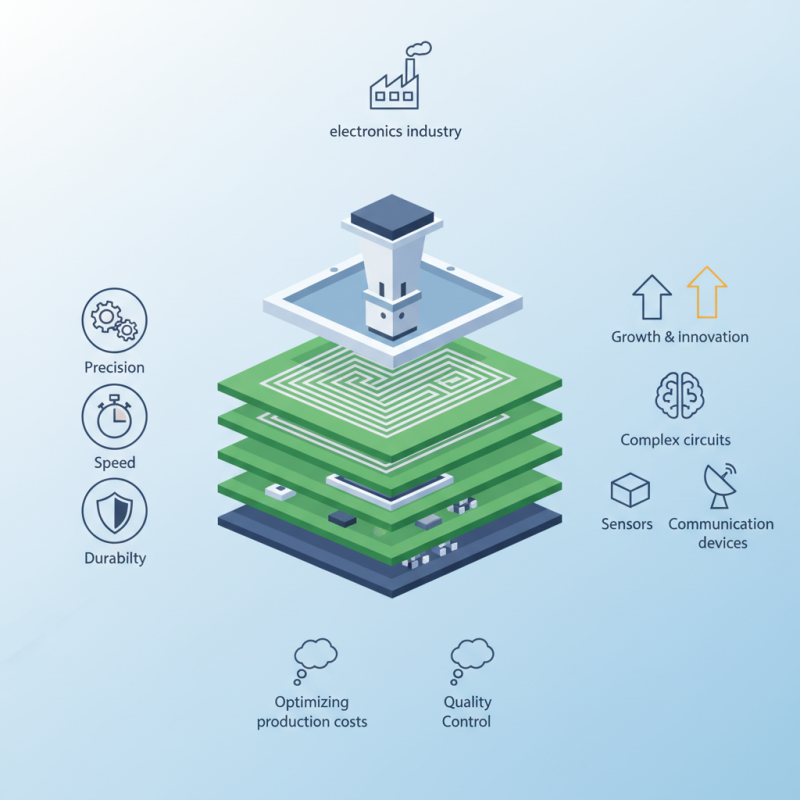
The Ltcc Printing Machine is a groundbreaking device transforming the electronics industry. With advancements in technology, this machine allows for the production of high-quality printed circuitry. Its efficient operation is vital for many applications, including sensors and communication devices.
Understanding how the Ltcc Printing Machine works is essential for manufacturers. This machine combines precision, speed, and durability. It uses a unique layering technique to create complex circuits. This innovation helps in meeting the increasing demand for compact electronic products.
As industries evolve, the Ltcc Printing Machine plays a crucial role in shaping the future of electronics. While it offers numerous advantages, challenges remain. Companies must address issues like optimizing production costs and ensuring quality control. Embracing these challenges leads to growth and innovation in the field.
What is an Ltcc Printing Machine?
The LTCC printing machine, or Low-Temperature Co-fired Ceramics printing machine, is an advanced technology primarily used in electronic applications. It plays a vital role in the production of multi-layered ceramic components. These components are crucial in modern electronic devices. The market for LTCC technology is projected to grow significantly. According to a report by MarketsandMarkets, the LTCC market is expected to reach USD 5.24 billion by 2025.
LTCC printing machines enable intricate designs and high-density packaging. They employ a unique method of printing and co-firing, which allows for the creation of complex circuit patterns. This technology utilizes ceramic materials that can withstand high temperatures and electrical stresses. The combination of reliability and performance results in superior products, but the initial setup cost can be a barrier for smaller manufacturers.
There are challenges in, for example, the consistency of print quality. Variations in materials or environmental conditions can impact results. Regular calibration and adherence to quality standards are essential for achieving the best outputs. Understanding these risks and continuously refining the process is crucial for manufacturers who want to excel in this competitive field.
Components of Ltcc Printing Machines
When discussing the components of LTCC (Low-Temperature Co-fired Ceramic) printing machines, we find several essential elements that enhance their functionality. At the core, the printer head plays a crucial role. This component accurately deposits the ceramic pastes onto the substrate. It must be precise, as even minor misalignments can lead to defects.
Next, the substrate itself is a vital part of the process. Typically made from green ceramic tape, it serves as the foundation for electronic components. The quality of this substrate directly affects the end product's reliability. Additionally, the curing chamber is essential for drying the printed layers. Improper curing can weaken the layers, impacting durability.
The control unit manages all machine operations. This includes temperature settings and printing speed. However, balancing these factors can often be challenging. Operators frequently need to adjust parameters based on various materials used. Regular maintenance checks also ensure that components function smoothly. Neglecting these might cause production delays or quality issues. Often, manufacturers must revisit their processes to ensure consistent output quality.
The Working Principle of Ltcc Printing Technology
LTCC (Low-Temperature Co-fired Ceramic) printing technology is a revolutionary process in electronics manufacturing. This technique utilizes ceramic materials combined with metal conductors. The result? Durable, high-performance components for modern devices.
The working principle centers on printing thin layers of materials. Initially, a substrate layer is printed with conductive inks. These inks contain metal particles that are fired at low temperatures. This significantly reduces energy consumption during production. As each layer is added, it is co-fired. This process bonds the ceramics and metals together, creating a solid structure. The outcome is a lightweight yet robust component with excellent electrical performance.
While LTCC technology presents many advantages, it isn't flawless. The printing process requires precision to avoid defects. Any misalignment can lead to significant performance issues. Additionally, the materials used must be carefully selected. Not all ceramics harmonize well with specific printed conductors. Balancing costs and quality also remains a challenge. Innovating while learning from these pitfalls is essential in advancing LTCC printing technology.
What is Ltcc Printing Machine and How Does it Work? - The Working Principle of Ltcc Printing Technology
| Parameter | Description | Value |
| Printing Technology | Type of printing used in LTCC machines. | Screen Printing |
| Substrate Material | Material used for the base of printed circuits. | Ceramic |
| Layer Count | Number of layers that can be printed. | Up to 5 layers |
| Printing Resolution | The precision of printed patterns. | 50 micrometers |
| Curing Process | Method of hardening the printed materials. | Firing at high temperatures |
| Applications | Industries using LTCC technology. | Automotive, Telecommunications |
| Advantages | Benefits of using LTCC printing technology. | High reliability, compact size |
Applications of Ltcc Printing Machines in Industry
LTCC printing machines play a vital role in various industries. These machines are known for their precision and versatility. They are commonly used in the manufacturing of electronic components, such as circuit boards and sensors. Their ability to create multilayered designs allows for compact device construction. This becomes crucial as industries trend toward miniaturization.
In automotive manufacturing, LTCC technology is employed for microwave devices. These devices enhance communication systems, ensuring safer vehicle operations. Additionally, LTCC printing is utilized in medical device production. It enables the fabrication of sensors and other components that improve patient monitoring. The reliability of LTCC printed components is essential in these applications.
However, the complexity of LTCC printing can present challenges. It requires specialized knowledge and careful calibration. Any mistakes during the production process can lead to failures. Hence, manufacturers must invest in training and maintenance. This investment can enhance production quality and reliability over time.
Applications of LTCC Printing Machines in Industry
Benefits and Limitations of Using Ltcc Printing Machines
LTCC (Low-Temperature Co-fired Ceramic) printing machines have become essential in the electronics industry. These machines create complex ceramic components used in devices like smartphones and medical equipment. According to a report by MarketsandMarkets, the LTCC market is expected to reach $8.75 billion by 2025, driven by growing demand for miniaturization in electronics.
The benefits of LTCC printing include high reliability, low dielectric loss, and the ability to integrate passive components. These features lead to better performance in high-frequency applications. However, the limitations include high initial setup costs and longer production times compared to traditional techniques. A study from IPC revealed that 40% of manufacturers cited costs as a significant barrier to adopting LTCC technology. Despite advancements, some manufacturers may find the technology’s complexity daunting, leading to a steep learning curve.
Balancing the benefits and challenges is crucial. While LTCC machines enable innovation, their limitations necessitate careful consideration before investment. Companies must weigh technical capabilities against budget constraints. In a rapidly evolving market, misinformation about LTCC’s capabilities can lead to poor decision-making. Therefore, continued research and education are vital for making informed choices in this high-tech environment.