Why Choose LP207 Pillow Block Bearings for Industrial Use?
Industrial equipment depends on bearing supports that stay stable through vibration, changing loads, and long operating hours. A conveyor shaft, for example, may run near dust, occasional moisture, and repeated starts. In such conditions, the housing, shaft fit, lubrication, and installation all matter. The Lp207 Pillow Block Bearing can be a practical option when its specifications match the machine and operating environment. It is not a universal solution.
Before choosing a unit, confirm the shaft diameter, mounting arrangement, load direction, speed, and available space. Check the manufacturer’s data for materials, seals, and lubrication guidance rather than relying on the product name alone. Fit matters. A correctly selected bearing can support smoother operation and make routine inspection easier, but it cannot compensate for a misaligned shaft or poor mounting surface. Small details count. Dust buildup around a housing or an overlooked lubrication interval can shorten service life. Even a suitable bearing may need replacement sooner than expected under harsh conditions. Review the application honestly, including startup loads and maintenance access. That extra check may prevent avoidable downtime.
What Is an LP207 Pillow Block Bearing?
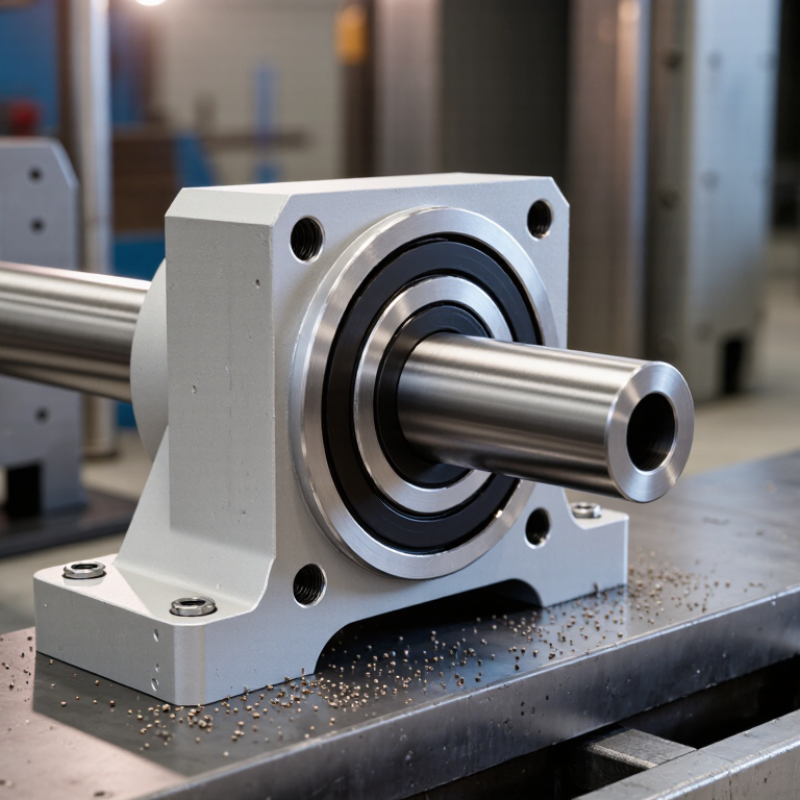
An LP207 pillow block bearing is a mounted bearing unit that supports a rotating shaft while attaching to a flat machine surface. It combines an insert bearing with a housing and a base with bolt holes. The insert contains rolling elements that reduce friction as the shaft turns. The housing holds the insert in position and transfers operating loads to the machine frame.
The “207” designation commonly points to a particular bearing size, but dimensions and details can vary by manufacturer. Check the bore, housing footprint, shaft-locking method, and load rating against the equipment drawing before ordering. Some versions use set screws; others may use a different locking arrangement. Small differences matter. A unit that looks right can still sit poorly or loosen under vibration.
In practice, the bearing works best when the shaft is aligned and the mounting surface is clean and level. Its design may accommodate slight misalignment, but it is not a cure for a bent shaft or uneven installation. Check lubrication needs, seals, temperature limits, and expected speed for the application. That extra inspection can feel fussy, yet it often prevents early wear and unexpected noise.
How Its Design Supports Industrial Applications
The LP207 pillow block bearing combines a mounted housing with an insert bearing, creating a compact support point for a rotating shaft. Its housing helps hold the bearing in position on a machine frame, while the insert accommodates normal shaft rotation. This arrangement can simplify installation compared with assembling separate components. Exact materials and fitting details may vary, so check the product specification before ordering.
In industrial equipment, stable shaft support matters. A conveyor roller, fan shaft, or packaging line may face vibration, dust, and frequent operating cycles. The pillow block’s base can be bolted to a flat mounting surface, making alignment and replacement more manageable. A locking mechanism secures the shaft, but poor alignment can still cause heat, noise, or early wear. Small errors matter.
Tips: Keep the shaft and mounting surface clean during installation. Tighten fasteners evenly, then check that the shaft turns freely. Relubricate only as the maintenance schedule and bearing instructions recommend. Don’t assume every LP207 unit has identical seals or lubrication fittings; verify those details for your operating conditions. One practical lesson: check for unusual vibration after startup, even when the installation looks correct.
Key Benefits of Choosing the LP207
An LP207 pillow block bearing can simplify shaft support because its housing bolts directly to a machine frame.
That makes installation and replacement more accessible than arranging a separate housing and bearing. A stable, level mounting surface matters. Even a small alignment error can increase vibration, heat, and wear. Check the required shaft size, load, speed, sealing, and lubrication against the unit’s specification; LP207 details can vary between suppliers.
Maintenance practice affects the result. The U.S. Department of Energy’s Operations & Maintenance Best Practices guide reports that predictive maintenance can cost 25–30% less than reactive maintenance.
That figure describes maintenance programs, not guaranteed savings from an LP207 unit. Still, it supports regular checks for temperature, noise, looseness, and lubricant condition. A grease schedule helps, but too much grease can also cause heat. A practical detail: record vibration readings at the same point each time. The comparison is useful. Yet readings alone can miss a loose base or poor alignment, so inspect the mounting bolts and shaft during service.
Common Uses Across Industrial Equipment
LP207 pillow block bearings support rotating shafts in equipment where the bearing mounts outside the machine frame. Their bolted housing makes inspection and replacement more accessible than a bearing buried inside a casing. In conveyor systems, they commonly support rollers and drive shafts carrying boxes, bulk materials, or parts between workstations. Dust changes the story. Regular checks matter.
Similar units may appear on agricultural machinery, packaging lines, ventilation equipment, and light-duty processing machines. A fan shaft needs stable support as it turns; a packaging conveyor needs the shaft to stay aligned under repeated starts and stops. In mixers, suitability depends on the actual load, speed, and exposure to moisture or washdown. Not every line.
For reliable service, confirm the shaft fit, mounting surface, operating speed, and expected radial load against the bearing’s specifications. Keep the housing seated on a flat, rigid surface, and check for loosened bolts or unusual heat during routine maintenance. A correctly sized bearing can still wear early if the shaft is misaligned. That detail is easy to miss.
Why Choose LP207 Pillow Block Bearings for Industrial Use?
Common uses across industrial equipment
Pillow block units support rotating shafts from a mounted base. Common applications include conveyors, fans, pumps, agricultural machinery, and packaging equipment. Scores are qualitative examples, not measured performance or market-share data. Check the bearing’s specifications against shaft size, load, speed, sealing, and operating conditions.
Installation and Maintenance Considerations
Before installing an LP207 pillow block bearing, check the shaft for burrs, rust, and dirt. A clean, smooth shaft helps the inner ring seat evenly. Set the housing on a flat, rigid surface; a twisted mounting base can distort alignment and shorten bearing life. Small details matter. Align the shaft and bearing before tightening the base bolts, then secure the locking method according to the bearing maker’s instructions. Avoid hammering directly on the bearing. It can damage rolling surfaces even when the mark is hard to see.
After installation, turn the shaft by hand and feel for roughness or binding. Check that the housing stays stable as the machine runs, and listen for new vibration or scraping. Lubricate only as specified for the bearing and operating conditions; too much grease can raise operating temperature. Inspect seals and nearby surfaces for dust, moisture, or grease leakage. Keep a simple record of temperature, noise, and lubrication intervals. These checks are useful, but they do not replace inspection after a heavy shock or unexpected shutdown. Every installation differs.





