


Top Legal Alternatives to Drone Jamming for Buyers?

Drone Jamming can appear to offer a direct response to unwanted drone activity, but it may interfere with communications, navigation, or nearby services. Its legality varies by jurisdiction, and use can create risks for people and aircraft. For most buyers, the better starting point is a lawful, layered safety plan—not an assumption that one device can solve every problem.

This guide examines practical alternatives, including passive drone detection, camera-based observation, site access controls, and clear incident-response procedures. A warehouse might pair rooftop cameras with trained security staff; an event venue may need reliable sightlines and a direct reporting channel. No system is perfect. Cameras can miss a small aircraft against a bright sky, while alerts can require human review. That detail matters.

Buyers should define the site, likely risks, privacy requirements, and response responsibilities before comparing products. Ask vendors what their equipment detects, what it cannot confirm, how data is stored, and whether installation requires permits or coordination with local authorities. Check applicable rules with qualified local counsel or the relevant regulator; requirements differ. A reflective point: organizations sometimes purchase sensors before deciding who will act on an alert. That is a preventable gap. The sections ahead compare options, trade-offs, and procurement questions, helping buyers choose proportionate measures without relying on signal interference.
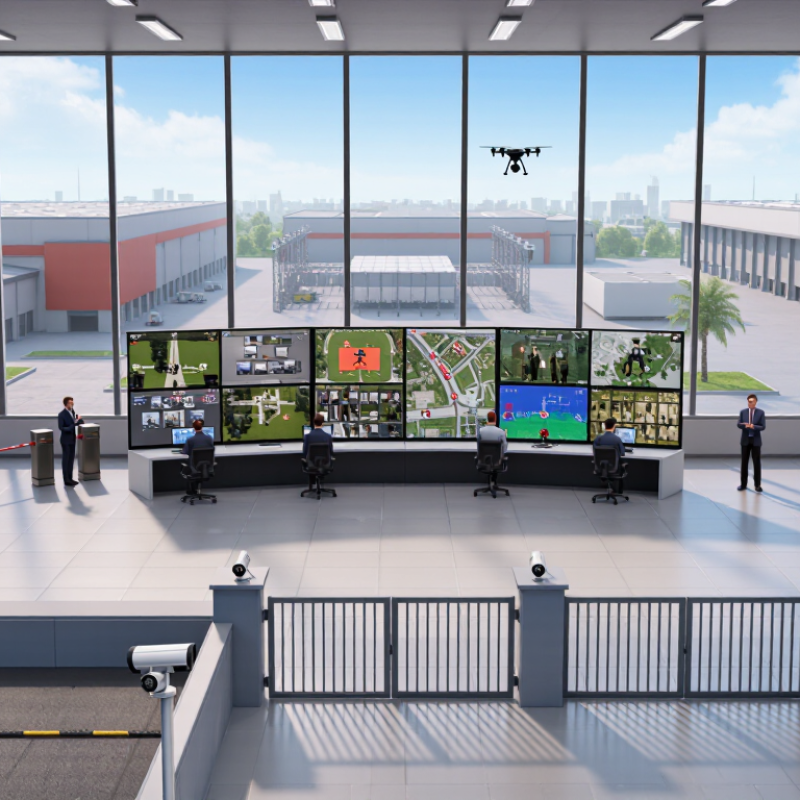
Top Legal Alternatives to Drone Jamming for Buyers?

Establish the Legal Baseline: FCC §333 Bars Willful Radio Interference

In the United States, Communications Act Section 333 prohibits willful or malicious interference with radio communications licensed or authorized under the Act. The FCC has applied this rule to radio jamming. A buyer should not assume that owning a device, securing a site, or citing safety concerns makes intentional interference lawful. The legal baseline matters before any purchase or deployment.

Consider non-interfering measures instead. A layered plan can combine visible perimeter controls, staff reporting procedures, and professional assessment of suspected drone activity. Detection tools should be evaluated for accuracy, privacy impact, and local requirements. Coordinate with relevant authorities before acting on an alert. A small alarm may be wrong. That possibility deserves attention, especially near airports or crowded areas. Rules can vary by location, so obtain qualified legal advice for the intended use.

Tips: Ask vendors to explain how their system operates, what data it collects, and whether it transmits radio signals. Request written compliance information, then verify it independently. Keep incident logs with times, locations, and observable details. Avoid improvising with equipment that disrupts communications.

Top Legal Alternatives to Drone Jamming for Buyers? — Establish the Legal Baseline: FCC §333 Bars Willful Radio Interference

47 U.S.C. § 333 prohibits willful or malicious interference with radio communications. A buyer should not assume that owning a jammer or having a security concern makes transmitting interference lawful. The options below focus on detection, reporting, and site-level risk reduction; legality depends on the equipment, location, and how it is operated.

Alternative What it does Best suited for Buyer checks and legal boundaries
Visual observation Uses trained observers, binoculars, or cameras to spot and track aircraft visually. Small sites, temporary events, and verification of sensor alerts. Assess lighting, weather, line of sight, and staffing. Follow applicable privacy rules when recording people or neighboring property.
Receive-only RF detection Monitors radio-frequency activity to help identify or locate signals associated with some drone systems; it does not transmit a disruption signal. Sites where RF activity can be monitored lawfully and where relevant aircraft use detectable links. Confirm the system is receive-only and review what it collects, stores, and shares. Detection performance varies; some aircraft may not emit detectable signals. Obtain legal review of data collection and privacy practices.
Radar detection Uses reflected radio waves to detect and track objects, including some small aircraft. Large or complex sites that need coverage beyond direct visual observation. Check spectrum authorization, equipment compliance, siting, and possible effects on nearby systems. Performance can be affected by terrain, clutter, and object size.
Optical and thermal cameras Provide visual confirmation and tracking, including in some low-light conditions when thermal imaging is used. Confirming alerts from radar or other sensors and documenting an incident. Evaluate field of view, range, lighting, weather, and image retention. Cameras observe; they do not prevent flight or establish who is operating an aircraft.
Site procedures and physical safeguards Combines staff training, incident protocols, access control, protective coverings, and coordination with relevant authorities. Facilities seeking to reduce exposure or respond consistently without interfering with aircraft. Use barriers or coverings only where safe and permitted by building, fire, and other applicable rules. Do not attempt to seize, damage, or interfere with an aircraft; document observations and escalate through established channels.
Reporting and coordination Routes credible safety or security concerns to appropriate law-enforcement or aviation authorities. Any site that needs an official response to suspected unsafe or unauthorized drone activity. Record time, location, direction of travel, and observable details when safe. Contact emergency services for an immediate threat; otherwise use the relevant local reporting channels. Reporting does not itself authorize countermeasures.

Legal reference: 47 U.S.C. § 333. This table is general information, not legal advice. Before purchasing or deploying detection equipment, verify applicable FCC, FAA, federal, state, and local requirements with qualified counsel and relevant authorities.


Define Aircraft Scope: FAA’s 250-g Exception Covers Limited Recreational Use

Before considering any response to an unwanted drone, define what aircraft you are dealing with. The FAA’s limited recreational exception generally means a drone weighing less than 250 grams does not need registration when flown solely for recreation. Count the aircraft and attached equipment together. This is a narrow registration exception, not permission to ignore airspace restrictions, fly beyond visual line of sight, or interfere with another aircraft. Recreational flyers still need to meet applicable requirements, including completing the TRUST test. That distinction is easy to miss; weight alone tells you little about a drone’s purpose.

Tips: Check the drone’s takeoff weight, including accessories. Ask whether the flight appears recreational, but avoid treating appearance as proof. If a flight raises a safety concern, record the time, location, and observable details from a safe place. Report it through appropriate local or aviation channels rather than attempting to disrupt the aircraft.

For buyers comparing lawful alternatives to jamming, focus on procedures that do not interfere with flight controls or communications. Site rules, staff training, clear reporting steps, and passive observation can help manage concerns while keeping people safe. A sub-250-gram drone may still be flown unsafely, and a heavier aircraft is not automatically a threat. The facts can be messy. Confirm current FAA guidance and any applicable local rules before setting a response policy.

Top Legal Alternatives to Drone Jamming for Buyers

Define the aircraft scope first: the FAA’s 250-gram registration exception is limited to qualifying recreational operations.

A value of 1 means FAA registration is required; 0 means it is not required under the stated scenario. Drones weighing 250 g (0.55 lb) or less may be exempt when flown exclusively under the recreational exception. Part 107 operations require registration regardless of weight. These rules do not authorize signal jamming; consider lawful options such as reporting unsafe activity to authorities.

Choose Detection Layers: RF, Radar, EO/IR, and Acoustic Systems

Choosing detection layers starts with the site, not a single device. Radio-frequency sensors can identify control or telemetry signals, but may miss aircraft that emit little or nothing. Radar can track movement across open areas; nearby buildings, trees, and birds may create clutter. No sensor sees everything. Compare detection ranges with the actual layout, and test coverage at different times of day.

Electro-optical and infrared cameras can help staff visually assess an alert, especially when a camera has a clear view. Darkness, glare, rain, and blocked sightlines can reduce usefulness.

Acoustic sensors listen for rotor noise, but traffic, machinery, and wind can mask it. Weather matters. A layered setup lets one sensor prompt a closer check by another, rather than treating one alert as certainty. A dashboard score is not proof; human review still matters.

Buyers should ask how alerts are logged, who can access recordings, and how long data is retained. Local rules and privacy obligations vary, so confirm requirements before installation. Test the full process with site staff, including what happens when sensors disagree. That step is easy to overlook.

Compare Lawful Mitigations: Geofencing, Site Controls, and Police Escalation

Geofencing can reduce risk before a drone reaches a sensitive site. Map protected areas, set clear flight boundaries, and check that approved flight plans respect them. The FAA’s UAS sighting reports document thousands of pilot-reported drone sightings over recent years, including reports near airports. That record supports active prevention, not assumptions that every sighting signals hostile intent. Yet geofencing is not a force field. It may rely on current map data, compatible equipment, and operator settings. Post visible notices and provide a contact number for authorized pilots.

Site controls add practical layers. Train reception and security staff to record the time, location, direction, and visible aircraft details from a safe position. Keep people away from exposed work areas when appropriate, and avoid actions that interfere with aircraft signals or flight. A simple incident log helps identify repeat patterns. It can also reveal gaps in procedures. That matters. For escalation, use the local police or aviation authority’s published reporting channel. Share observations, photos taken safely, and any immediate risks; do not approach or attempt to seize the aircraft. FAA guidance places drone operations within defined safety rules, but local requirements differ. Confirm the relevant process with authorities before an incident occurs. Geofencing, careful site procedures, and timely reporting are imperfect tools, but they preserve safety and a useful record.

Set Buyer Metrics: Detection Range, False-Alarm Rate, and FAA’s 400-ft AGL Rule

For legal drone awareness, compare detection systems by measurable performance, not impressive range claims. Ask vendors to define detection range for each sensor type and target size. A small drone may appear clearly at 300 meters in open terrain, yet disappear behind trees or rooftops. Test the system at your site, in daylight and darkness, and record the distance at first reliable alert. Test in context.

False alarms deserve equal attention. Request results stated as false alerts per hour, with weather, traffic, and operating conditions documented. A camera may flag birds; a radio-frequency sensor may miss a drone using a different link. Combine detection methods where practical, then check how alerts are verified. One unnecessary response each hour can quickly erode staff confidence.

Treat the FAA’s 400-foot AGL rule as context, not a detection target. In the United States, many routine drone operations are generally limited to 400 feet above ground level, subject to exceptions and authorization. A drone below that height can still raise safety concerns, while altitude alone does not establish a violation. Set procedures for documenting time, location, estimated height, and sensor evidence, then refer concerns to appropriate authorities. There is no perfect metric. Local terrain and clutter can make a buyer’s neat spreadsheet look optimistic.

Powder Coat Booths

For those larger-sized parts, or smaller quantity runs, we have 2 independent powder coat booths and ovens. The quality, durability and affordability of today’s powder coating finishes make this the process of choice for world-class companies.

Powder coating advantages over other forms of coating are many. Materials used in the Powder coating process can be metals and non-metals that come in a multitude of thicknesses, textures, colors, etc. Another of Powder coating’s biggest advantages over conventional coatings is its ability to create finishes in many different textures. Powder Coating Booths allow us the ability to apply these advantages to large products.

Wet Paint Line

Tri-State Fabricators runs a full-service conveyor line for painting. Wet painting can provide protection or decoration to many different part styles. From start to finish, every project is easier to undergo random and point-based inspection by our skilled painting team.

Advantages to our Wet Paint Line are these lines start with product prep and ends with a thorough inspection of a high quality finished product. Our ability to complete large and small projects with a superior finish and doing so in a timely and economical fashion. This passes along the savings in production to our customers. When powder coating ins not an option, our Wet Paint Line gets the job done right the first time.

Wet Paint Booths

When the parts get big and heavy we roll-out our custom paint racks and oversize booth. By utilizing our partnerships with all the major paint brands, we can match virtually any color with wet paint.

The advantages of having access to a Wet Paint Booth are many. Large projects of many different shapes can be loaded into the booth. The Wet Paint Booth offers an environment that is much more controlled than a typical parts painting operation.

Not only are they used because of their controlled environment, but they’re are also advantageous when it comes to applying paint to parts that are needed in industries that require specialty coatings such as medical, aerospace, etc.

Military CARC

Our military forces have some very high standards when it comes to the finish of their vehicles and equipment. From the first pre-treatment step to final coat, it takes a great deal of knowledge and experience to protect the men and women of our armed forces. They deserve only the best, and Tri-State Fabricators provides it.

All of our processes are closely monitored by our staff and management teams. Both of which are highly trained in the processes of metal fabrication and finishing. Tri-State Fabricators’ goal is to always fully satisfy each and every customer, including the military. We will always put a 110% into what we do.

Glass-Bead Blasting

Abrasive media blasting is an excellent way to remove old paint, rust, and increase the paint/powder adhesion. Glass beads produce a much smoother and brighter finish than angular abrasives; leaving the part clean yet without any dimensional change. Chemically inert and environmentally friendly, we can recycle our beads approximately 30 times; making them a more preferred method of metal cleaning or surface finishing.

Advantages to Glass Bead Blasting are many. Glass bead blast media is used when a project is needing rough surfaces need to become smooth for applications of coatings such as paint. It is typically used to clean paint and rust from a product surface without deforming the surface it is being used on. Overall, compared to many other blasting media, Glass Bead Blasting is a very economical choice and those savings are always passed on to our customers.

Part Washing

Tri-State Fabricators utilize a zinc phosphate wash to clean and etch the material to ensure the best paint adhesion possible. The unique design of our 3-stage wash system does the work like a 5-stage. From Cleaning and rinsing to conversion coating and post-treatment, Our Part Washing process is a complete service and works throughout the fabrication service and the finishing service.

Along with the previously mentioned benefits, Curing is a vital chemical reaction that leaves the product finish hard and relatively safe from mild abrasion and aggressive corrosion. This process can be done in more than one way; ambient air-dry or in curing ovens at temps that exceed 240°.

Burn-Off Oven

From fixing paint mistakes (someone else’s of course) to simply cleaning our paint line hooks, our burn-off oven is put to good use. After a quick burn-off, a little clean up, and a fresh coat of paint, your parts will look better than new.

Why does our Burn-Off Oven work so well? Because super heating the air around parts turns the materials into ashes. From paint and powder coatings to rubber and machining oils, high temps do the job without degrading the integrity of the part.

Masking

Masking is a vital part of producing high quality products. We have die-cut masking patterns to protect machined surfaces as well as a wide range of plugs and caps to protect threaded holes and bolts. We provide permanent and temporary masking.

Masking allows the selected sections of a product to be protected from a fabrication or finishing service. This can be with both chemicals when etching and tapes, paints when only finishing just a section of the product. Masking is great in aiding the customization process of a project.

Screen Printing

Screen printing is a photographic process that transfers artwork onto a porous nylon screen which allows colored ink to flow through the screen and be deposited on an aluminum or plastic component. We can generally have just about any design created onto a screen for your parts.

Some of the advantages of Screen Printing are, brand recognition for your business displaying on your products, assembly instructions, product warnings/hazards, etc. Tri-State Fabricators produces Screen Printing of the highest quality so you know it’s durable.

Metal Finishing

Metal Finishing is the art of treating the exterior portion of product, often metal but can also be made of other materials, so that the surface is clean and free of any debris. Then the process of applying coats or either paint of powder coat takes place. This coating process improves the quality of the product in both appearance and resistance to wear and corrosion.

Tri-State Fabricators, Inc., understands that a project typically isn’t complete until a high-quality finish has been added to your product. This is why our painting and powder coating teams continuously inspect the products throughout the Metal Finishing process.
