


Top Vehicle Fire Suppression System Manufacturers?

Choosing among top vehicle fire suppression system manufacturers is not just a matter of comparing product names. A Vehicle Fire Suppression System must suit the vehicle, fire risks, operating conditions, and available installation space. A system designed for an engine compartment may not fit the needs of a bus, commercial truck, or off-road machine. The details matter: sensor placement, nozzle coverage, agent type, activation method, and maintenance access can all affect practical performance. Small details matter.

This guide introduces manufacturers and the factors buyers can use to assess them. It considers product range, application experience, technical documentation, installation support, and access to inspection and replacement parts. Readers should verify that a system’s approvals and specifications apply to their vehicle and intended market. Ask how the manufacturer validates coverage, trains installers, and supports the system after installation. Clear answers are useful; broad claims alone are not enough. Evidence matters.

No single manufacturer is the right choice for every fleet. Some specifications may look impressive on paper yet prove difficult to service in a cramped engine bay. That is worth questioning. A careful comparison should balance documented performance, compatibility, support, and total ownership needs. The aim is not to declare one universal winner, but to help readers identify credible options and ask better questions before making a safety-critical decision.
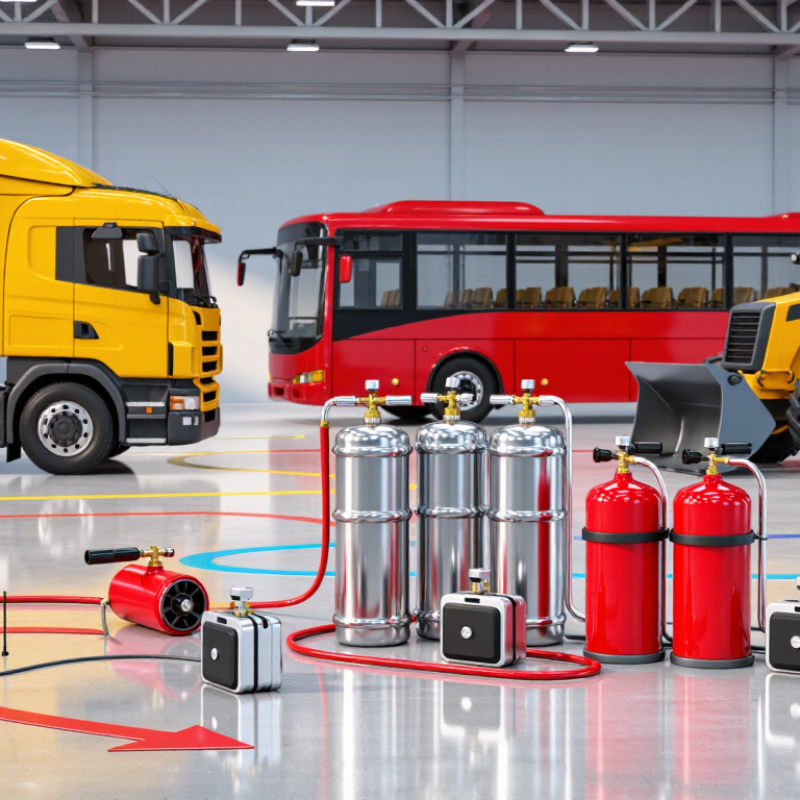
Top Vehicle Fire Suppression System Manufacturers?

Vehicle Fire Suppression Systems: Core Components and Operation

Vehicle Fire Suppression Systems: Core Components and Operation

A vehicle fire suppression system combines detection, control, and discharge components in a compact package. Heat sensors or detection tubing monitor vulnerable areas, such as an engine bay, battery enclosure, or machinery compartment. When temperatures reach a set point, the system signals a control unit or activates through a mechanical arrangement. Some designs also provide a manual release near the operator. Placement matters. A sensor blocked by wiring or a nozzle aimed away from likely fuel sources can reduce coverage.

The agent is stored in a pressurized cylinder, then travels through pipes or flexible hoses to strategically positioned nozzles. Depending on system design, it may cool surfaces, interrupt combustion, or limit oxygen around the fire. An alarm can alert the driver, while shutdown functions may stop selected equipment if the vehicle is configured for them. Details vary by vehicle and hazard. During inspection, technicians check cylinder pressure, seals, sensor condition, hose routing, and nozzle openings. A small obstruction can matter. Systems also need suitable agent selection and professionally verified installation; suppression can control flames, but it does not guarantee that reignition is impossible. That part deserves more attention than it often gets.

Top Vehicle Fire Suppression System Manufacturers? — Vehicle Fire Suppression Systems: Core Components and Operation

System Component or Design Factor Typical Configuration How It Works Vehicle Applications and Considerations
Fire detection May use linear heat-detection tubing or cable, discrete heat detectors, or other system-specific sensors. Detects heat or a specified temperature condition in a protected area and initiates an alarm or suppression sequence, depending on the system design. Detection lines are commonly routed through high-risk areas such as engine compartments. Placement must account for heat sources, vibration, and the protected-zone layout.
Control or actuation unit Mechanical, pneumatic, electrical, or combined actuation, depending on system design. Receives or responds to a detection event and releases the agent. Some systems also provide a driver warning or interface with vehicle controls. Electrical systems may require suitable power and protected wiring. The release method and any vehicle shutdown functions should be specified for the vehicle and hazard.
Agent container A pressure-rated cylinder or container holding the specified extinguishing agent and, where applicable, a propellant. When actuated, the container releases agent into the connected distribution network. Container location should allow secure mounting, inspection, and servicing while remaining protected from impact and excessive heat.
Extinguishing agent Depending on the hazard and engineered system, options may include dry chemical, foam, water-based agents, or clean agents. Agents control fire through mechanisms such as interrupting combustion, cooling, or suppressing flames. Their suitability depends on the materials and fire risks involved. Agent selection should consider fuel, lubricants, electrical equipment, enclosed-space exposure, cleanup needs, and the system’s approved design. No single agent is suitable for every vehicle hazard.
Distribution piping or tubing Fixed pipework or tubing connects the agent container to one or more discharge points. Conveys the released agent to the intended protected zones. Routing should be secured against vibration, abrasion, heat, and obstruction. Layout and component compatibility must follow the system design.
Discharge nozzles Open or capped nozzles selected and positioned for the protected compartment and agent. Direct and distribute the agent across designated hazard areas when the system discharges. Nozzle location and orientation affect coverage. Nozzles should remain unobstructed and should not be treated as interchangeable between agents or system designs.
Manual release and warning devices May include a manual release control, audible or visual alarms, and system-status indicators. Manual controls can provide a means to initiate discharge; alarms can alert the operator to a detected fire or system activation. Controls should be accessible to the operator but protected against accidental operation. Features vary among system configurations.
Protected zone and system sizing Defined areas such as an engine compartment, auxiliary power unit area, or selected machinery enclosure. The system is designed to deliver an appropriate agent quantity and distribution to the specified hazard area. Vehicle type, compartment geometry, openings, fuel and lubricant sources, and airflow can affect design. A system intended for one zone does not automatically protect the entire vehicle.
Inspection and maintenance Scheduled checks of the container, detection components, actuators, pipework, nozzles, alarms, and system status. Inspection helps identify damage, obstruction, leakage, or other conditions that may impair readiness. Follow the system manufacturer’s service instructions and applicable vehicle, workplace, and fire-safety requirements. Inspection intervals depend on the system and jurisdiction.

Note: Vehicle fire suppression systems are engineered for specific hazards and protected zones. Component choices and operating sequences vary by system; installation, testing, and servicing should follow the system documentation and applicable requirements.


Key Criteria for Comparing Vehicle Fire Suppression Manufacturers

Top Vehicle Fire Suppression System Manufacturers?

Key Criteria for Comparing Vehicle Fire Suppression Manufacturers

A useful comparison starts with the vehicle, not a catalog. Ask whether a system is designed and tested for engine bays, battery compartments, or enclosed machinery in your vehicle class. Request test reports, operating-temperature ranges, vibration resistance, and detector-placement details. A polished brochure is not evidence. Look for clear documentation.

Compare detection speed, agent coverage around likely ignition points, and access to manual activation from the driver’s seat. Ask what maintenance involves: inspection intervals, replacement parts, technician training, and post-discharge reset. Check whether the manufacturer explains installation limits and relevant certifications for your market. Claims should connect to test data. Small details matter.

Tips: Send each supplier the same vehicle layout and duty cycle. Request a written service plan and a sample inspection checklist. Confirm parts availability near your operating area. If answers stay vague, pause. Field conditions vary, and even a capable system cannot replace sound wiring, tidy compartments, or routine checks.

Leading Manufacturers and Their System Specialties

Vehicle fire suppression manufacturers often specialize by operating environment rather than offering one system for every machine. Some focus on construction and mining equipment, where compact cylinders, vibration-resistant mounts, and protected nozzles matter. Dust, heat, and cramped engine compartments shape the design. Fit is everything. A system suited to a loader may not suit a bus or generator.

Other manufacturers concentrate on road transport, industrial vehicles, or marine equipment. Their specialties can include automatic detection near engines, manual activation within reach of the operator, and suppressant delivery across identified hot spots. The right arrangement depends on the vehicle’s layout and likely fire hazards. A neat diagram is useful, but it cannot replace an inspection of hoses, fuel lines, and service access.

When comparing manufacturers, look beyond stated coverage area. Ask how the system is tested for the intended vehicle, what maintenance checks are required, and whether replacement parts remain available. Installation quality matters too; a capable product can be poorly positioned. Some catalogs make selection look simple. It isn’t. Even experienced buyers may overlook how later engine modifications affect nozzle placement, so reassessment after major repairs is sensible.

Vehicle Types and Industries Served by Major Manufacturers

Vehicle fire suppression manufacturers serve very different machines, from underground mining trucks to compact agricultural tractors. Mining equipment often faces heat, dust, vibration, and limited access around engines and hydraulic lines. Systems may need to protect engine bays and other high-risk compartments without obstructing routine inspections. The categories overlap. A loader used at a quarry may share hazards with equipment working underground, but its layout and operating conditions can differ sharply.

Construction fleets commonly include excavators, bulldozers, graders, and mobile cranes. Their exposed work areas, changing loads, and long shifts can influence detector placement and maintenance schedules. Agricultural vehicles bring different concerns: crop residue can collect near hot components, while seasonal use may leave machines idle for months. Small detail, big consequence. Operators and service teams should check that nozzles, sensors, and warning devices remain accessible and suited to the vehicle’s environment.

Passenger transport is another major application, including buses, coaches, and rail vehicles. Here, protecting occupied spaces and supporting clear evacuation procedures matter alongside equipment protection. Some manufacturers also serve forestry vehicles, refuse trucks, and specialized industrial transport. Not always neatly. Product coverage varies, so fleet managers should verify vehicle-specific compatibility, inspection needs, and service support with qualified technical personnel before selecting a system.

Standards, Certifications, and Support to Evaluate Before Choosing

Choosing a vehicle fire suppression system manufacturer starts with checking which standards apply to your vehicle and operating region. Ask for current test reports and certificates, not just a logo on a brochure. Confirm that the documents cover the exact system configuration, agent, detection method, and installation conditions you plan to use. A certificate for one component may not validate the complete installation. Paperwork matters.

Support is part of system performance. Ask who handles commissioning, operator training, inspections, and replacement parts. Clarify response times and whether service technicians can reach your locations. Request maintenance intervals in writing, then compare them with your workshop schedule. A capable supplier should explain limitations clearly, including temperature ranges and installation constraints. Certifications help, but they cannot guarantee that a poorly installed system will work as intended. Even careful reviews can miss differences between a test setup and a working vehicle. That gap matters.

Tips: Match every certificate to the proposed configuration. Ask for sample inspection records and a written service plan. Check that staff can identify alarms and follow shutdown procedures. Keep the documents accessible in the vehicle. Be cautious if answers stay vague; I would want details before approving a purchase.

Vehicle Fire Suppression Systems: Standards to Check Before Choosing

Publication year of selected fire-suppression standards

These editions cover different extinguishing agents and system types; they are not universal vehicle-approval standards. When evaluating a supplier, confirm which standards apply to the proposed system, check applicable third-party listings and vehicle-specific installation requirements, and ask about inspection, maintenance, and technical support.

Powder Coat Booths

For those larger-sized parts, or smaller quantity runs, we have 2 independent powder coat booths and ovens. The quality, durability and affordability of today’s powder coating finishes make this the process of choice for world-class companies.

Powder coating advantages over other forms of coating are many. Materials used in the Powder coating process can be metals and non-metals that come in a multitude of thicknesses, textures, colors, etc. Another of Powder coating’s biggest advantages over conventional coatings is its ability to create finishes in many different textures. Powder Coating Booths allow us the ability to apply these advantages to large products.

Wet Paint Line

Tri-State Fabricators runs a full-service conveyor line for painting. Wet painting can provide protection or decoration to many different part styles. From start to finish, every project is easier to undergo random and point-based inspection by our skilled painting team.

Advantages to our Wet Paint Line are these lines start with product prep and ends with a thorough inspection of a high quality finished product. Our ability to complete large and small projects with a superior finish and doing so in a timely and economical fashion. This passes along the savings in production to our customers. When powder coating ins not an option, our Wet Paint Line gets the job done right the first time.

Wet Paint Booths

When the parts get big and heavy we roll-out our custom paint racks and oversize booth. By utilizing our partnerships with all the major paint brands, we can match virtually any color with wet paint.

The advantages of having access to a Wet Paint Booth are many. Large projects of many different shapes can be loaded into the booth. The Wet Paint Booth offers an environment that is much more controlled than a typical parts painting operation.

Not only are they used because of their controlled environment, but they’re are also advantageous when it comes to applying paint to parts that are needed in industries that require specialty coatings such as medical, aerospace, etc.

Military CARC

Our military forces have some very high standards when it comes to the finish of their vehicles and equipment. From the first pre-treatment step to final coat, it takes a great deal of knowledge and experience to protect the men and women of our armed forces. They deserve only the best, and Tri-State Fabricators provides it.

All of our processes are closely monitored by our staff and management teams. Both of which are highly trained in the processes of metal fabrication and finishing. Tri-State Fabricators’ goal is to always fully satisfy each and every customer, including the military. We will always put a 110% into what we do.

Glass-Bead Blasting

Abrasive media blasting is an excellent way to remove old paint, rust, and increase the paint/powder adhesion. Glass beads produce a much smoother and brighter finish than angular abrasives; leaving the part clean yet without any dimensional change. Chemically inert and environmentally friendly, we can recycle our beads approximately 30 times; making them a more preferred method of metal cleaning or surface finishing.

Advantages to Glass Bead Blasting are many. Glass bead blast media is used when a project is needing rough surfaces need to become smooth for applications of coatings such as paint. It is typically used to clean paint and rust from a product surface without deforming the surface it is being used on. Overall, compared to many other blasting media, Glass Bead Blasting is a very economical choice and those savings are always passed on to our customers.

Part Washing

Tri-State Fabricators utilize a zinc phosphate wash to clean and etch the material to ensure the best paint adhesion possible. The unique design of our 3-stage wash system does the work like a 5-stage. From Cleaning and rinsing to conversion coating and post-treatment, Our Part Washing process is a complete service and works throughout the fabrication service and the finishing service.

Along with the previously mentioned benefits, Curing is a vital chemical reaction that leaves the product finish hard and relatively safe from mild abrasion and aggressive corrosion. This process can be done in more than one way; ambient air-dry or in curing ovens at temps that exceed 240°.

Burn-Off Oven

From fixing paint mistakes (someone else’s of course) to simply cleaning our paint line hooks, our burn-off oven is put to good use. After a quick burn-off, a little clean up, and a fresh coat of paint, your parts will look better than new.

Why does our Burn-Off Oven work so well? Because super heating the air around parts turns the materials into ashes. From paint and powder coatings to rubber and machining oils, high temps do the job without degrading the integrity of the part.

Masking

Masking is a vital part of producing high quality products. We have die-cut masking patterns to protect machined surfaces as well as a wide range of plugs and caps to protect threaded holes and bolts. We provide permanent and temporary masking.

Masking allows the selected sections of a product to be protected from a fabrication or finishing service. This can be with both chemicals when etching and tapes, paints when only finishing just a section of the product. Masking is great in aiding the customization process of a project.

Screen Printing

Screen printing is a photographic process that transfers artwork onto a porous nylon screen which allows colored ink to flow through the screen and be deposited on an aluminum or plastic component. We can generally have just about any design created onto a screen for your parts.

Some of the advantages of Screen Printing are, brand recognition for your business displaying on your products, assembly instructions, product warnings/hazards, etc. Tri-State Fabricators produces Screen Printing of the highest quality so you know it’s durable.

Metal Finishing

Metal Finishing is the art of treating the exterior portion of product, often metal but can also be made of other materials, so that the surface is clean and free of any debris. Then the process of applying coats or either paint of powder coat takes place. This coating process improves the quality of the product in both appearance and resistance to wear and corrosion.

Tri-State Fabricators, Inc., understands that a project typically isn’t complete until a high-quality finish has been added to your product. This is why our painting and powder coating teams continuously inspect the products throughout the Metal Finishing process.
