Top Pressure Relief Valve Manufacturers for Global Buyers
Selecting reliable Pressure Relief Valve manufacturers requires more than comparing prices, catalogs, or polished certifications. Global buyers must examine design capability, testing discipline, material traceability, and after-sales support. A valve protecting a steam drum, refinery vessel, or chemical pipeline may operate unnoticed for years. When pressure rises unexpectedly, however, its response must be immediate and predictable.
Industry data shows why this market deserves careful evaluation. The International Energy Agency’s World Energy Investment 2024 report highlights continued investment in power, grids, clean energy, and industrial infrastructure. These projects require dependable pressure-control equipment across diverse operating environments. The U.S. Energy Information Administration’s International Energy Outlook also indicates long-term energy demand across developing and established markets. Such demand supports ongoing investment in pressure protection systems, although regional forecasts can differ sharply. Numbers can disagree.
Standards provide a more dependable comparison point. API 526 defines face-to-face dimensions for flanged steel pressure-relief valves. API 520 addresses sizing, selection, installation, and application principles. ISO 4126 establishes requirements for safety devices protecting against excessive pressure. Leading manufacturers should demonstrate compliance through traceable certificates, calibrated test benches, documented capacity testing, and consistent quality systems. Buyers should also verify materials, temperature ranges, set-pressure tolerances, corrosion resistance, and local service coverage. A strong supplier can explain these details clearly, not merely display them in a brochure. No ranking is universally correct. The right choice depends on media, vessel design, operating pressure, certification needs, delivery expectations, and lifecycle support. This guide evaluates prominent global manufacturers through those practical criteria, while recognizing that published market data and supplier claims still require independent verification.
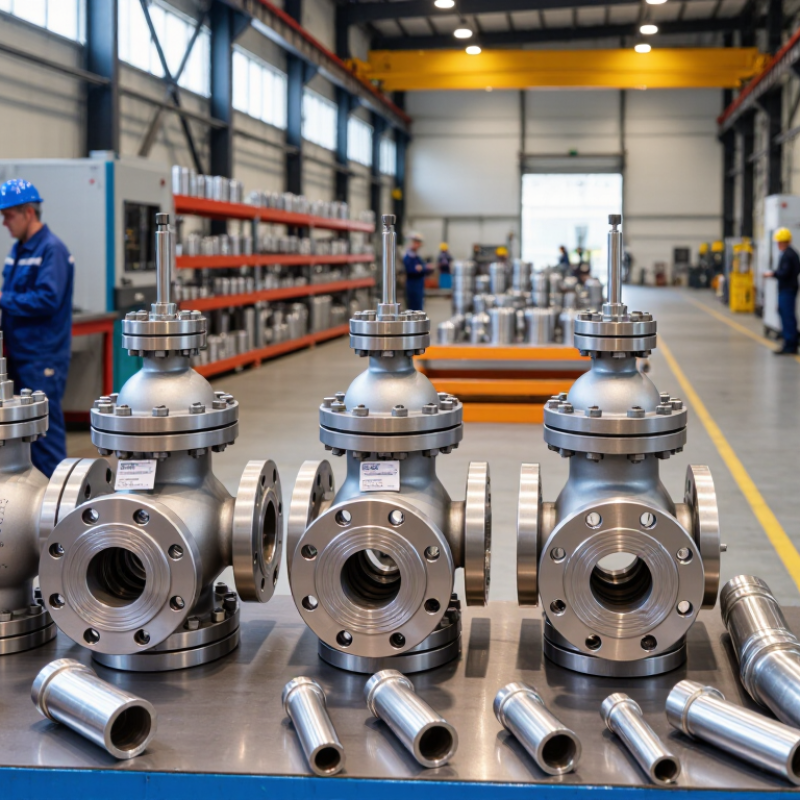
Pressure Relief Valve Basics: Set Pressure, Overpressure, and Blowdown Limits
Selecting a pressure relief valve starts with three numbers: set pressure, overpressure, and blowdown. Set pressure is the point where the valve begins to open. It must remain above normal operating pressure. Otherwise, the valve may simmer, chatter, or leak during routine cycles.
Overpressure is the pressure rise needed for the valve to reach its certified relieving capacity. Many process systems use a defined percentage, but the permitted value depends on the applicable code, service, and valve type. Buyers should verify the capacity at the actual fluid, temperature, and backpressure. A valve tested only with air may not represent performance with steam or corrosive liquid. Small detail. Big consequence.
Blowdown is the difference between set pressure and reseating pressure. A short blowdown reduces pressure loss but can cause unstable operation if the system fluctuates. A longer blowdown may improve stability, yet it can waste product and delay full protection. In field inspections, I would check the calibration record, test medium, seat tightness, and discharge piping. Records sometimes look complete but omit built-up backpressure. That omission needs questioning. Engineers should compare the selected limits with the equipment design pressure, operating range, and local certification requirements. They should also confirm whether temperature changes alter set pressure. Real systems are rarely perfect. A final bench test under documented conditions remains more reliable than a catalog value alone.
Pressure Relief Valve Basics for Global Buyers
Set pressure, overpressure, accumulation, and blowdown reference values for pressure relief valve selection.
Set pressure is the pressure at which the valve is designed to open. For ASME Section VIII applications, a single pressure relief device is commonly limited to 10% overpressure during non-fire conditions, while fire exposure may allow up to 21% accumulation, subject to the applicable code and system design. Blowdown is the pressure reduction from opening to reseating; spring-loaded valves commonly use an adjustable range of approximately 2%–7%, depending on the valve design and service conditions. Always verify the applicable local code, process conditions, and manufacturer documentation.
Global Standards: API 526 Orifice Sizes and ASME Section VIII Certification
When selecting top pressure relief valve manufacturers, global buyers should begin with compliance, not appearance. API 526 defines standardized orifice designations, inlet sizes, outlet dimensions, and pressure-temperature relationships for flanged steel relief valves. These details support easier replacement and more predictable installation across international projects.
API 526 compliance does not automatically prove performance certification. Buyers should request certified capacity data, set-pressure records, material certificates, and test reports. ASME Section VIII certification is also important for equipment protecting pressure vessels. Check the certification scope, authorized markings, and whether the valve’s capacity was tested under recognized procedures. A reliable manufacturer should explain these records clearly. Vague paperwork is a warning sign.
Tips: Match the API 526 orifice letter with the required relieving capacity, not simply the connected pipe size. Confirm the design pressure, temperature, fluid phase, back pressure, and discharge arrangement. Ask for a nameplate photograph before shipment. Small mistakes happen, especially when unit systems are mixed. Recheck every value. Testing should reflect actual service conditions whenever practical. Manufacturers with experienced engineers can review sizing assumptions and identify unstable operation, excessive back pressure, or unsuitable materials before installation. That technical review often matters more than a low purchase price.
Performance Data: Capacity, Backpressure, Temperature, and Materials
Capacity is not a catalog number. API 526 standardizes effective orifice areas from 0.110 to 26.0 square inches. These D-to-T sizes help buyers compare certified flow capacity consistently. API 520 Part I requires sizing against pressure, temperature, fluid properties, and relieving scenarios. Pipe diameter alone proves little. For example, steam capacity differs sharply from liquid capacity at identical set pressure. ASME Section VIII commonly permits 10% accumulation for single-valve protection, although the applicable service code must be checked. A clean datasheet can still hide a poor sizing assumption.
Backpressure changes everything. API 520 Part II separates superimposed and built-up backpressure during evaluation. Conventional valves may lose stability when outlet pressure rises. Balanced-bellows designs can reduce this effect, but their bellows temperature limit needs verification. Temperature selection should include normal operation, upset conditions, and pressure-relieving temperature. Material compatibility also matters. NACE MR0175/ISO 15156 provides qualification limits for metallic materials in hydrogen-sulfide service. Carbon steel may suit moderate conditions, while stainless alloys or nickel alloys can be necessary for corrosion resistance. Yet “corrosion-resistant” is not universal. Chlorides, wet gas, and cycling can expose weaknesses. Procurement teams should request certified capacity, allowable backpressure, temperature range, material certificates, and test records. I would also challenge any quotation that gives one capacity figure without stating the fluid basis.
Leading Manufacturer Profiles by Industry, Region, and Valve Technology
Top Pressure Relief Valve Manufacturers for Global Buyers
Leading manufacturers serve distinct industrial needs rather than one universal market. In oil and gas, buyers often require spring-loaded or pilot-operated valves for high-pressure separators and pipelines. Chemical plants may prioritize corrosion-resistant alloys, precise set pressure, and cleanable designs. Power facilities commonly inspect steam capacity, temperature ratings, and long-term seat performance. Food and pharmaceutical plants need hygienic surfaces, traceable materials, and simplified maintenance.
Regional manufacturing profiles reveal practical differences. Suppliers in North America often provide extensive testing records and engineering support. European producers may emphasize compact designs, energy efficiency, and detailed conformity documentation. Asian manufacturers frequently offer broad production capacity and competitive lead times. Buyers should verify factory audits, material certificates, calibration records, and service coverage near the installation site. A polished website is not proof of dependable production.
Valve technology also separates capable manufacturers from ordinary vendors. Spring-loaded models suit many standard applications, while pilot-operated valves handle higher pressures and changing flow conditions. Rupture-disc combinations can protect sensitive systems when rapid response matters. Ask how each design performs during backpressure, vibration, and repeated cycling. Request witnessed testing when the process risk is significant. No profile is flawless. Even experienced suppliers may provide unclear maintenance guidance or optimistic delivery dates. That deserves a second review, not a rushed purchase. Performance data, field experience, and responsive technical communication should carry more weight than price alone.
Buyer Evaluation: Testing, Lead Times, Compliance, and Total Cost of Ownership
Global buyers should evaluate pressure relief valve manufacturers through evidence, not polished brochures. Global Market Insights estimated the industrial valves market above USD 80 billion in 2024, increasing supplier choice and comparison pressure. Yet market size does not prove technical reliability. Request certified set-pressure tests, reseating results, backpressure data, and material traceability. For critical service, witnessed testing is worth the added coordination.
Check the design against ISO 4126, API 520, API 526, and ASME Section VIII, where applicable. Export projects may also require regional conformity assessment, such as PED requirements. Ask whether drawings, certificates, and inspection records arrive before shipment. Lead time should begin after drawing approval, not after the purchase order. This detail often causes avoidable delays. A 12-week promise sounds attractive until approval takes four weeks.
Total cost of ownership includes calibration, spare springs, seals, inspection labor, freight, and production downtime. Research from the U.S. Department of Energy shows that industrial energy systems can lose significant value through poor maintenance and leakage control, although valve-specific savings vary widely. Compare five-year service assumptions, not only unit prices. I would also challenge unusually short delivery claims. They may reflect local stock, or incomplete testing. The distinction matters. A buyer’s scorecard should record test coverage, compliance evidence, realistic lead times, warranty limits, and service response. Some data will remain imperfect. That is better than false precision.





