Top 10 Phase Lack Chrome Rectifier Suppliers Worldwide
Choosing a reliable Phase Lack Chrome Rectifier supplier requires more than comparing catalog prices. Chrome plating depends on stable direct current, accurate voltage control, low ripple, and dependable cooling. A small fluctuation can leave dull patches, uneven thickness, or visible lines on a polished component.
This guide, “Top 10 Phase Lack Chrome Rectifier Suppliers Worldwide,” examines manufacturers through practical purchasing criteria. These include output stability, transformer construction, digital controls, protection systems, maintenance support, delivery experience, and documented quality procedures. It also considers whether suppliers understand real production conditions, such as long operating cycles, corrosive environments, and demanding current-density requirements.
Electroplating pioneer Dr. Abner Brenner emphasized the importance of controlling electrical conditions in electrodeposition. A careful summary of his published guidance is: “Good deposits depend on controlled current and controlled process conditions.” That principle still matters today.
Look beyond the brochure.
A supplier may promise exceptional efficiency, yet provide weak after-sales support. Another may offer attractive pricing, but use unsuitable cooling components. These details become obvious beside a hot rectifier cabinet, humming fans, and a production line waiting for stable output.
No ranking is flawless. Regional service networks, application requirements, and operator experience can change the best choice. Therefore, this overview should support technical evaluation, not replace factory testing or engineering review. Buyers should request performance data under realistic loads, inspect warranty terms, and confirm spare-parts availability before committing. The strongest Phase Lack Chrome Rectifier supplier is not always the largest. It is the one that delivers consistent electrical performance when the plant is under pressure.
What Are Phase-Lack Chrome Rectifiers?
Top 10 Phase Lack Chrome Rectifier Suppliers Worldwide
What Are Phase-Lack Chrome Rectifiers?
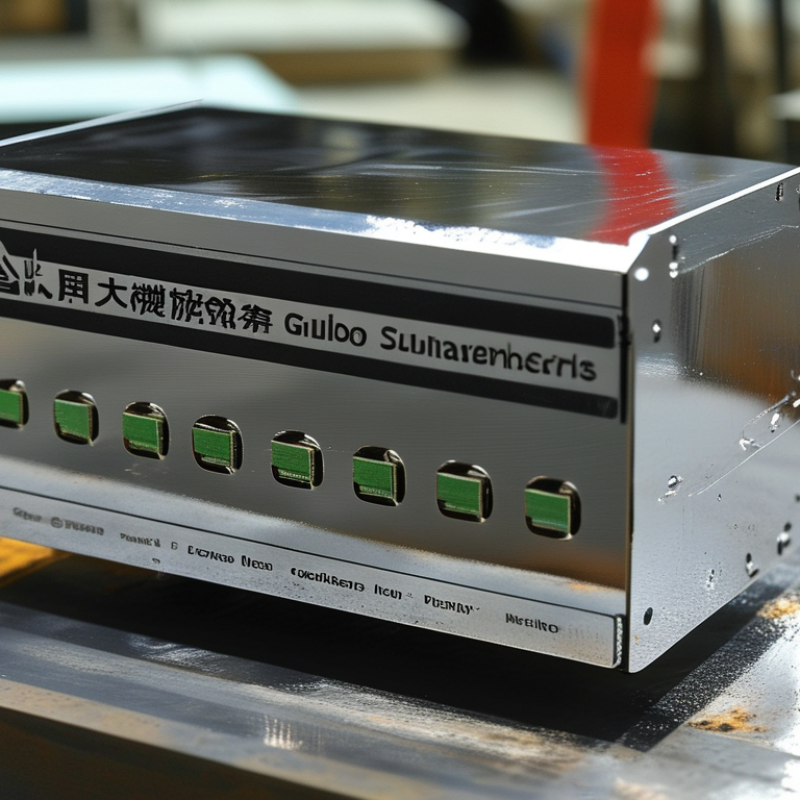
A phase-lack chrome rectifier converts three-phase AC power into controlled DC current for chrome plating. Its phase-loss protection detects a missing input phase and reduces or stops output before unstable current damages the bath, anodes, or workpiece. This matters because uneven current can create dull areas, burns, pinholes, and inconsistent thickness. The U.S. Department of Energy reports that motor-driven systems consume about 69% of industrial electricity in the United States. That figure highlights why efficient power conversion and fault protection deserve attention in plating lines.
69%
The U.S. Department of Energy reports that motor-driven systems consume about 69% of industrial electricity in the United States.
In practical use, operators monitor input voltage, DC ripple, cooling temperature, and output amperage. A well-designed unit should recover smoothly after a voltage fault, not restart aggressively. IEC 60146-1-1 provides technical guidance for semiconductor power converters, including rectifier performance and safety considerations. Still, standards do not replace testing. Real bath chemistry, cable length, ventilation, and duty cycle can change results. This is where supplier comparisons become difficult. A lower purchase price may hide weaker sensing, limited spare parts, or poor thermal design.
Tips:
Ask for phase-loss trip settings, ripple data, overload curves, and test records. Check performance at your actual current range. Measure the finished coating, not only the display. A display can look perfect while the coating remains uneven.
How Phase-Lack Chrome Rectifiers Work
A phase-lack chrome rectifier converts incoming AC power into controlled DC current for hard chrome plating. Most units use a three-phase supply, a transformer, and silicon-controlled rectifiers. The transformer reduces voltage and provides electrical isolation. The control circuit then adjusts firing angles to regulate DC output.
Phase-lack protection monitors all incoming phases continuously. If one phase disappears, the remaining phases carry an uneven load. Output ripple increases, transformer heating rises, and plating thickness may become inconsistent. The rectifier detects this imbalance and limits current or stops output. Fast protection matters. A brief fault can leave visible dull bands on a polished shaft.
In practical operation, technicians check input voltage, phase balance, cooling fans, and busbar temperature before starting a tank. A clamp meter can reveal unusual current on one supply leg. The display may still show normal voltage, which creates confusion. That reading is not enough. Older control boards may react slowly, and a failed sensor can imitate a phase-loss fault. I have seen operators replace fuses first, although loose terminals were the real cause. Regular torque checks and clean ventilation reduce these risks. The exact protection threshold depends on the rectifier design, load size, and local electrical conditions. That detail is easy to overlook.
How a Three-Phase Six-Pulse Chrome Rectifier Works
Idealized DC output waveform of a three-phase, six-pulse rectifier supplied by a 400 V line-to-line, 50 Hz AC system. The rectifier produces six voltage pulses per AC cycle, creating a fundamental ripple frequency of 300 Hz before filtering and current regulation.
The ideal average output is approximately 1.35 × VLL = 540 V, while the instantaneous waveform reaches about 566 V. Actual chrome-plating rectifiers use smoothing, feedback control, and load regulation to provide stable DC current.
Key Specifications for Comparing Suppliers
When comparing phase lack chrome rectifier suppliers worldwide, begin with measurable electrical specifications. Check rated output voltage, current range, duty cycle, ripple percentage, and input tolerance. A unit rated for 12,000 amperes may not deliver that output continuously. Ask for continuous-duty test records, not only headline capacity.
Phase-loss protection deserves close attention in chrome plating environments. Confirm detection time, alarm method, restart behavior, and protection against overvoltage, short circuits, and overheating. Cooling design matters too. Air-cooled systems suit smaller lines, while water-cooled units often support long production cycles. Review busbar materials, enclosure rating, transformer efficiency, and control accuracy. A stable output can reduce uneven coating, especially on large tanks with changing load resistance.
Supplier reliability depends on evidence. Request calibrated inspection reports, wiring diagrams, serial-number traceability, and documented factory testing. Check whether technicians can support commissioning across different voltage standards and site conditions. Lead time, spare thyristors or power modules, warranty coverage, and remote troubleshooting also affect the real purchase cost. I once focused too heavily on maximum amperage and overlooked service response time. That was a costly lesson. Compare at least three suppliers using the same specification sheet. Small omissions can become production delays. Verify every claim before signing.
Top 10 Phase-Lack Chrome Rectifier Suppliers Worldwide
The Top 10 Phase-Lack Chrome Rectifier Suppliers Worldwide should be assessed through engineering evidence, not visibility alone. Phase-lack protection detects missing input phases and limits damage to transformers, diodes, and control circuits. This matters in chrome plating, where unstable current can create dull patches, burning, or uneven deposit thickness.
Grand View Research estimates the global electroplating market at roughly US$19 billion in 2023, with steady growth expected through 2030. That expansion increases demand for precise rectifiers, especially in automotive, aerospace, and industrial finishing. MarketsandMarkets also identifies energy efficiency, automation, and process control as important equipment trends. Leading suppliers typically offer programmable output, ripple control below five percent, water-cooled cabinets, and alarms for phase loss, over-temperature, and overload. Ask for test records.
A practical comparison should examine output stability, service response, spare-part availability, and compliance documentation. A 12-pulse design may reduce ripple, but it can increase installation complexity and cost. Digital monitoring helps operators trace voltage changes during a production shift. However, supplier rankings remain imperfect because published reports rarely separate phase-lack chrome rectifiers from the wider electroplating equipment category. Regional support can therefore outweigh a slightly lower purchase price. Check a sample load test, enclosure rating, cooling performance, and warranty exclusions before selecting any of the leading ten suppliers.





