


Top Carbon Fiber Manufacturers in China

China has become an important center for carbon fiber production, with manufacturers serving sectors such as wind energy, transportation, sports equipment, and aerospace. Yet a company name alone reveals little. Buyers and readers need to look at fiber grades, precursor control, production scale, testing practices, and the applications each manufacturer actually supports.

Composite-materials researcher Dr. Stephen W. Tsai’s work highlights the importance of evaluating composites as complete engineered systems. Paraphrasing that principle: “Judge the finished structure, not the fiber in isolation.” A high-strength specification can sound impressive. It does not, by itself, confirm consistent quality, processing suitability, or long-term performance. Ask what the data covers.

This overview introduces leading carbon fiber manufacturers in China and the factors that help distinguish them. It considers product focus, technical capability, manufacturing experience, and publicly available evidence, rather than treating marketing claims as proof. Where information is limited, that limitation matters. Even a careful comparison has blind spots: product portfolios change, and some technical details are not disclosed. That is worth acknowledging. The aim is a practical starting point for further research, not a final verdict on every supplier. A sensible shortlist begins with clear questions and verifiable details.
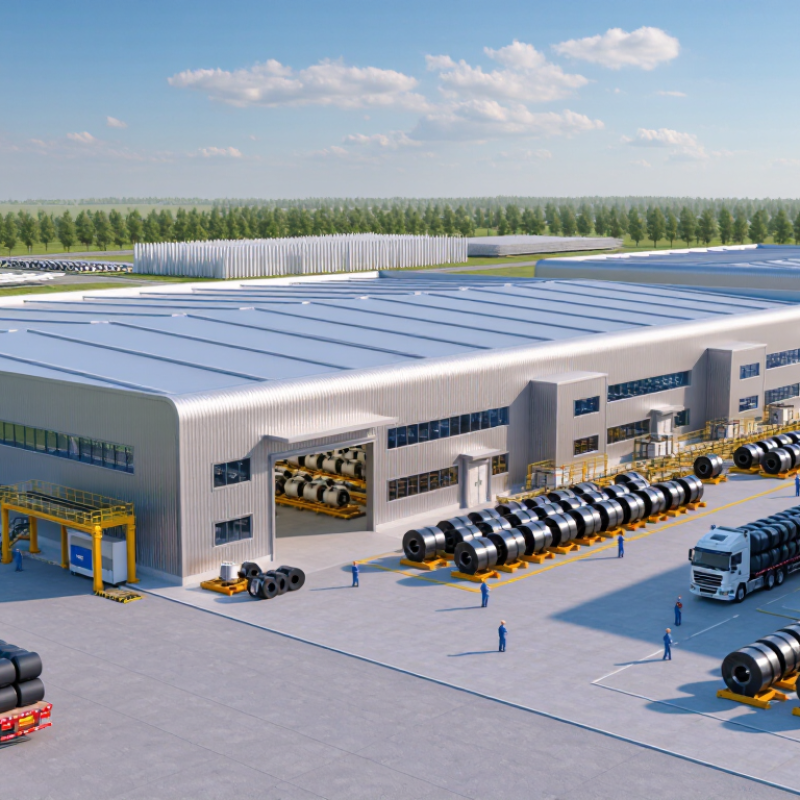
Top Carbon Fiber Manufacturers in China

China’s Carbon Fiber Manufacturing Industry

China’s carbon fiber industry has grown quickly, but installed capacity does not tell the whole story. The China Chemical Fibers Association’s 2023 China Carbon Fiber Industry Development Report estimated China’s annual capacity at 141,500 tonnes, about 61.5% of global capacity. That figure describes potential production, not material actually made or sold. The distinction matters. A factory’s output depends on operating rates, product consistency, and customer qualification. For buyers, a carbon tow sample is only a starting point; performance must hold across batches and production runs.

Demand is shaped by wind energy, aerospace, sporting goods, and pressure vessels, though each application has different technical and cost requirements. The Global Wind Energy Council reported 75.9 gigawatts of new wind capacity in China in 2023. This supports a large potential market, but it does not mean every turbine blade uses carbon fiber. Glass fiber remains widely used, while carbon fiber is selected where lower weight or greater stiffness justifies its higher cost.

The industry’s next test is not simply building more capacity. It is improving stable quality, reducing production costs, and matching materials to real applications. Progress is uneven; the public data also leaves room for closer scrutiny.


How Chinese Carbon Fiber Manufacturers Are Evaluated

Top Carbon Fiber Manufacturers in China

Evaluating a carbon fiber manufacturer takes more than comparing quoted prices. Buyers should review production capacity, process controls, and the supplier’s experience with the required fiber grade and product form. Ask for technical data sheets and recent test records. Check whether reported properties match the intended use, such as tensile strength, modulus, or tow size. Small differences matter.

Quality systems deserve close attention. Request details on raw material checks, furnace temperature monitoring, batch traceability, and how defects are handled. A reliable supplier should explain these steps clearly and provide consistent documentation. Where possible, compare samples from different production batches. One sample can look excellent while revealing little about everyday consistency. A scorecard also has limits; price and published specifications may not show how a supplier responds when a process drifts.

Tips: Ask for a sample, a test report, and a written specification before placing a large order. Confirm lead times and packaging details, too. Check consistency. Ask for evidence. If an answer feels vague, request a specific example or record. It may take extra time, but it can prevent costly surprises later.

Top Carbon Fiber Manufacturers in China - How Chinese Carbon Fiber Manufacturers Are Evaluated

The table below outlines verifiable criteria for comparing manufacturers. It describes evaluation methods rather than ranking or reporting performance for any specific company.

Evaluation Dimension Measurable Data Evidence or Test Method How to Interpret It
Tow format and product range Filament count per tow, commonly designated 1K, 3K, 6K, 12K, 24K, or 48K; product form and available sizing options. Product specifications, technical data sheets, and sample inspection. “K” denotes approximately one thousand filaments. Assess whether the product formats and surface treatment options match the intended process and application; tow size alone does not establish fiber quality.
Tensile strength and modulus Tensile strength (MPa or GPa), tensile modulus (GPa), and elongation at break (%). Tow testing may use ASTM D4018 or ISO 10618; single-filament tensile testing is covered by ISO 11566. Compare results obtained using equivalent test conditions. Check the reported fiber grade, test method, sample count, and lot-to-lot results. Values should be compared within the same product class and test setup.
Linear density and tow consistency Linear density, typically reported in tex, plus the measured variation across samples or production lots. ISO 1889 specifies a method for determining the linear density of reinforcement yarns. Request the sampling plan and test records. Consistent linear density supports predictable material handling and process control. Confirm that the supplier’s stated tolerances suit the buyer’s specification.
Fiber density Density, generally reported in g/cm³, with the test method and sampling details. ISO 10119 covers the determination of carbon fiber density. Review batch records or independent laboratory reports. Use density as one material-identification and consistency measure; it should be interpreted alongside mechanical properties and the specified fiber grade.
Sizing and resin compatibility Sizing type and content, recommended resin systems, and application-specific composite performance data. Technical data sheets, sizing documentation, and trials using the intended resin and manufacturing process. There is no single sizing choice suitable for every resin or process. Confirm compatibility through application-relevant testing.
Manufacturing capability and supply continuity Declared production capacity, actual output, lead times, product mix, and documented delivery performance. Facility audits, production records, capacity documentation, and shipment history relevant to the requested product. Distinguish installed capacity from available, qualified output. Confirm that supply commitments apply to the required grade and specification.
Quality management and traceability Quality-system certification status, batch identification, retained samples, nonconformance records, and corrective-action procedures. Verify certificates with the issuing body and check their scope and validity. Review lot-level test reports and traceability records. A certificate such as ISO 9001 indicates a quality-management system; it does not by itself certify that a particular fiber grade meets a buyer’s requirements.
Laboratory reliability Test-method compliance, equipment calibration, laboratory competence, and report traceability. Review calibration records and whether relevant testing is performed by a laboratory accredited to ISO/IEC 17025 for the applicable test scope. Accreditation applies to defined activities within a laboratory’s scope; check that the specific test and method are covered.
Environmental performance Reported energy use, emissions, waste-management practices, and applicable environmental permits or certifications. Review dated facility records, certification scope, and the boundary and method used for any environmental metrics. Compare figures only when their reporting boundaries, units, and periods are comparable; distinguish verified data from estimates.

Evaluation note: Standards and test methods should be checked against their current editions and the buyer’s product specification. No universal acceptance threshold applies across all carbon fiber grades and applications.

Leading Carbon Fiber Manufacturers in China

Leading carbon fiber manufacturers in China serve industries that need lightweight, stiff materials, including automotive, wind energy, and sporting goods. Their capabilities can range from producing precursor fibers to carbonization, surface treatment, and finished fabrics. Each stage affects strength and consistency. A smooth-looking roll is not enough; reliable specifications and repeatable test results matter.

For buyers, useful checks include tensile strength, modulus, fiber count, sizing type, and batch-to-batch variation. Ask for technical data sheets and sample test reports, then compare them with the requirements of the intended process. A manufacturer’s ability to explain storage conditions and compatible resin systems can also indicate practical expertise. Small differences matter. They can affect handling, bonding, and final part quality.

Production scale alone does not prove dependable performance. Some suppliers may offer broad capacity but have limited experience with a particular application. Others may provide detailed technical support while offering fewer product formats. That trade-off deserves attention. Discuss quality-control procedures, lead times, traceability, and how defects are handled before placing large orders. The perfect supplier does not exist; clear evidence and careful sampling help reduce avoidable surprises.

Carbon Fiber Manufacturing in China: Material Density Benchmark

Typical densities of carbon fiber and two commonly used structural metals, in grams per cubic centimeter (g/cm³).

Carbon fiber is notably lightweight compared with steel and aluminum. Values are representative approximations; actual density varies by material grade and, for composites, resin content.

Key Products, Technologies, and Production Capabilities

China’s carbon fiber manufacturers serve sectors ranging from sporting goods and automotive parts to pressure vessels and industrial equipment. Their product ranges may include carbon fiber fabric, prepreg, pultruded profiles, and molded components. Production capability depends on more than factory size. Fiber grade, tow size, resin compatibility, and process control all affect the finished part.

Some producers use filament winding for cylindrical structures, while others specialize in weaving, pultrusion, or molding. Advanced facilities may monitor oven temperatures, curing cycles, and fiber tension throughout production. Ask for recent test data on tensile strength, batch consistency, and environmental durability. Certifications can help, but they do not replace checking whether a supplier’s process matches your design. Details matter. Even a small variation in resin content can change performance. Capability claims also deserve careful review; published figures may not describe every production line.

Tips: Request sample materials and traceable batch records. Confirm minimum order quantities, lead times, and inspection methods in writing. For complex parts, discuss tooling and quality checks before production begins. A site visit can reveal useful details, though it may not answer every technical question.

Industries Served and Market Reach

China’s carbon fiber manufacturers serve a broad mix of industries, from transport and energy to consumer products. Demand comes from parts that need high strength without excessive weight. Aerospace suppliers may require carefully controlled materials and detailed production records. Automotive companies often look for components that can be made consistently at scale. Wind energy uses carbon fiber in selected blade structures, while sporting-goods makers use it in items such as bicycle frames and racquets. Different jobs require different fiber grades, fabrics, and processing methods. Not every producer can meet every requirement.

Market reach varies with a manufacturer’s equipment, quality systems, and technical support. Many suppliers serve domestic customers, including composite part makers and research-focused businesses. Some also sell to overseas markets, where buyers may request samples, test data, and traceable batches before placing larger orders. Distance matters. Shipping time, communication, and local service can affect a project as much as material price. Buyers should compare specifications and production consistency, not just quoted strength figures. Samples matter. The picture is not perfectly even: capacity and export experience can differ widely, so a supplier’s stated reach does not always show how well it can support a specific application.

Powder Coat Booths

For those larger-sized parts, or smaller quantity runs, we have 2 independent powder coat booths and ovens. The quality, durability and affordability of today’s powder coating finishes make this the process of choice for world-class companies.

Powder coating advantages over other forms of coating are many. Materials used in the Powder coating process can be metals and non-metals that come in a multitude of thicknesses, textures, colors, etc. Another of Powder coating’s biggest advantages over conventional coatings is its ability to create finishes in many different textures. Powder Coating Booths allow us the ability to apply these advantages to large products.

Wet Paint Line

Tri-State Fabricators runs a full-service conveyor line for painting. Wet painting can provide protection or decoration to many different part styles. From start to finish, every project is easier to undergo random and point-based inspection by our skilled painting team.

Advantages to our Wet Paint Line are these lines start with product prep and ends with a thorough inspection of a high quality finished product. Our ability to complete large and small projects with a superior finish and doing so in a timely and economical fashion. This passes along the savings in production to our customers. When powder coating ins not an option, our Wet Paint Line gets the job done right the first time.

Wet Paint Booths

When the parts get big and heavy we roll-out our custom paint racks and oversize booth. By utilizing our partnerships with all the major paint brands, we can match virtually any color with wet paint.

The advantages of having access to a Wet Paint Booth are many. Large projects of many different shapes can be loaded into the booth. The Wet Paint Booth offers an environment that is much more controlled than a typical parts painting operation.

Not only are they used because of their controlled environment, but they’re are also advantageous when it comes to applying paint to parts that are needed in industries that require specialty coatings such as medical, aerospace, etc.

Military CARC

Our military forces have some very high standards when it comes to the finish of their vehicles and equipment. From the first pre-treatment step to final coat, it takes a great deal of knowledge and experience to protect the men and women of our armed forces. They deserve only the best, and Tri-State Fabricators provides it.

All of our processes are closely monitored by our staff and management teams. Both of which are highly trained in the processes of metal fabrication and finishing. Tri-State Fabricators’ goal is to always fully satisfy each and every customer, including the military. We will always put a 110% into what we do.

Glass-Bead Blasting

Abrasive media blasting is an excellent way to remove old paint, rust, and increase the paint/powder adhesion. Glass beads produce a much smoother and brighter finish than angular abrasives; leaving the part clean yet without any dimensional change. Chemically inert and environmentally friendly, we can recycle our beads approximately 30 times; making them a more preferred method of metal cleaning or surface finishing.

Advantages to Glass Bead Blasting are many. Glass bead blast media is used when a project is needing rough surfaces need to become smooth for applications of coatings such as paint. It is typically used to clean paint and rust from a product surface without deforming the surface it is being used on. Overall, compared to many other blasting media, Glass Bead Blasting is a very economical choice and those savings are always passed on to our customers.

Part Washing

Tri-State Fabricators utilize a zinc phosphate wash to clean and etch the material to ensure the best paint adhesion possible. The unique design of our 3-stage wash system does the work like a 5-stage. From Cleaning and rinsing to conversion coating and post-treatment, Our Part Washing process is a complete service and works throughout the fabrication service and the finishing service.

Along with the previously mentioned benefits, Curing is a vital chemical reaction that leaves the product finish hard and relatively safe from mild abrasion and aggressive corrosion. This process can be done in more than one way; ambient air-dry or in curing ovens at temps that exceed 240°.

Burn-Off Oven

From fixing paint mistakes (someone else’s of course) to simply cleaning our paint line hooks, our burn-off oven is put to good use. After a quick burn-off, a little clean up, and a fresh coat of paint, your parts will look better than new.

Why does our Burn-Off Oven work so well? Because super heating the air around parts turns the materials into ashes. From paint and powder coatings to rubber and machining oils, high temps do the job without degrading the integrity of the part.

Masking

Masking is a vital part of producing high quality products. We have die-cut masking patterns to protect machined surfaces as well as a wide range of plugs and caps to protect threaded holes and bolts. We provide permanent and temporary masking.

Masking allows the selected sections of a product to be protected from a fabrication or finishing service. This can be with both chemicals when etching and tapes, paints when only finishing just a section of the product. Masking is great in aiding the customization process of a project.

Screen Printing

Screen printing is a photographic process that transfers artwork onto a porous nylon screen which allows colored ink to flow through the screen and be deposited on an aluminum or plastic component. We can generally have just about any design created onto a screen for your parts.

Some of the advantages of Screen Printing are, brand recognition for your business displaying on your products, assembly instructions, product warnings/hazards, etc. Tri-State Fabricators produces Screen Printing of the highest quality so you know it’s durable.

Metal Finishing

Metal Finishing is the art of treating the exterior portion of product, often metal but can also be made of other materials, so that the surface is clean and free of any debris. Then the process of applying coats or either paint of powder coat takes place. This coating process improves the quality of the product in both appearance and resistance to wear and corrosion.

Tri-State Fabricators, Inc., understands that a project typically isn’t complete until a high-quality finish has been added to your product. This is why our painting and powder coating teams continuously inspect the products throughout the Metal Finishing process.
