Top Angle Valve Manufacturers for Global Buyers?
Choosing the right Angle Valve manufacturer can affect safety, maintenance, and long-term operating costs. Global buyers often compare suppliers across different markets, standards, and delivery conditions. A low quoted price may look attractive. It may not reflect material quality, testing depth, or after-sales support.
This guide examines leading Angle Valve manufacturers through practical purchasing criteria. These include brass, stainless steel, and forged-body construction. They also include pressure ratings, temperature limits, thread accuracy, sealing performance, and corrosion resistance. Reliable manufacturers should provide clear technical drawings, inspection records, and traceable material information. Product samples can reveal details that catalogs often hide, such as rough threads, uneven plating, or stiff handle movement.
Documentation matters.
Experienced suppliers usually explain compliance requirements without making vague promises. They should identify suitable standards, including applicable ISO, EN, or ASME references, when relevant to the project. Factory audits, production capacity, and quality-control procedures also deserve careful review. A manufacturer may produce excellent valves but still struggle with export packaging or replacement parts. That weakness can become expensive after installation.
No shortlist is perfect. Supplier rankings depend on application, region, order volume, and service expectations. Some companies excel in custom engineering, while others perform better for standardized plumbing projects. Buyers should verify claims independently and request recent test evidence. This article offers a balanced starting point for comparing established manufacturers, asking sharper questions, and selecting an Angle Valve partner with dependable performance rather than impressive marketing alone.
What Is an Angle Valve and Where Is It Used?
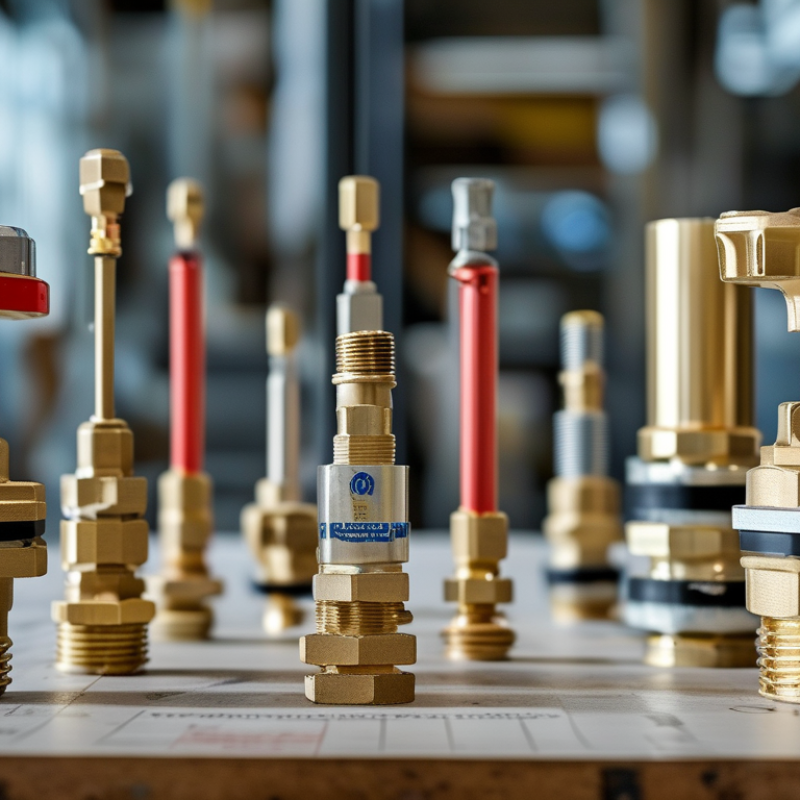
An angle valve is a compact shutoff fitting installed where a water pipe changes direction, usually 90 degrees. It connects a wall supply line to a toilet, basin, dishwasher, or washing machine. The valve allows local isolation without stopping water throughout a building. This saves repair time.
A typical unit combines a threaded inlet with a compression or outlet connection. Quarter-turn handles are faster to operate, while multi-turn designs can offer finer control. Field technicians often check three details first: pressure rating, thread compatibility, and access around the handle. Small errors matter. A valve may fit visually but still leak after installation.
The U.S. Environmental Protection Agency’s WaterSense program reports that household leaks can waste nearly 10,000 gallons of water annually. Across the country, leaks may waste almost one trillion gallons each year. Angle valves cannot solve every leak, but they provide a practical isolation point for inspection and replacement. The 2023 WHO/UNICEF Joint Monitoring Programme estimated that 2.2 billion people lacked safely managed drinking water in 2022, making dependable plumbing hardware more important in both homes and public facilities. Material choice also deserves attention. Brass, stainless steel, and engineered polymers perform differently under corrosion, temperature, and repeated cycling. This is where selection becomes less simple. Cheap does not always mean unsuitable, and premium does not guarantee correct installation.
Key Factors for Comparing Global Angle Valve Manufacturers
Top Angle Valve Manufacturers for Global Buyers
Comparing global angle valve manufacturers requires more than checking catalog prices. The first test is traceable quality. Ask for material certificates, pressure-test records, dimensional drawings, and batch identification. ISO 9001 certification supports process control, but it does not prove every valve performs well. I would also review testing against API 598 or equivalent standards, especially for seat leakage and shell strength. Small documentation gaps can become costly during customs checks, installation, or commissioning.
Application fit matters just as much. The 2024 UN World Water Development Report states that agriculture accounts for roughly 70% of global freshwater withdrawals. Water projects therefore need corrosion-resistant materials, stable sealing, and easy maintenance access. For steam or chemical service, temperature ratings, gasket compatibility, and pressure cycling deserve closer attention. According to Grand View Research, the global industrial valves market was valued at more than 78 billion dollars in 2023. That scale brings choice, but also inconsistent supplier claims.
A practical comparison should include total ownership cost. Review delivery records, spare-part availability, inspection methods, and warranty response times. Request samples when tolerances are critical. Test them independently if the project budget allows. The cheapest quotation may hide weak coating, poor thread accuracy, or limited after-sales support. Manufacturer websites often show perfect conditions. Real field performance is less tidy. Buyers should compare evidence, not polished promises.
Top Angle Valve Manufacturers for Global Buyers? - Key Factors for Comparing Global Angle Valve Manufacturers
A practical procurement-weighting model for comparing angle valve manufacturers without ranking or displaying company-specific data.
How to use this chart: Treat the percentages as suggested evaluation weights rather than market-share data. Buyers can score each supplier against these criteria using technical datasheets, test reports, certifications, sample inspections, and delivery records.
Leading Angle Valve Manufacturers by Product Strengths
Top Angle Valve Manufacturers for Global Buyers
Leading angle valve manufacturers stand out through specific product strengths, not attractive catalogs alone. Some excel in stainless steel valves for corrosive water systems. Others focus on brass models for residential plumbing and compact installations. Reliable manufacturers state pressure ratings, temperature limits, connection standards, and sealing materials clearly. These details help buyers match each valve with real operating conditions.
Tips: Check samples, test reports, and factory inspection records. Ask how threads, seats, and handles perform after repeated use. A low price may hide weaker machining or inconsistent seals.
In project reviews, I have found that production control often matters more than impressive specifications. Manufacturers with traceable materials and pressure testing usually provide steadier quality between batches. Look for dimensional inspection, leak testing, and documented quality procedures. Custom finishes, private labeling, and packaging support can also benefit global distributors.
However, no supplier is strongest in every category. A manufacturer known for high-pressure industrial valves may not offer the best compact valve for household fixtures. Buyers should compare actual product evidence, not promises.
Even experienced purchasing teams sometimes overlook replacement parts and after-sales response times. That oversight can delay a shipment or increase maintenance costs. Reliable communication matters, especially when standards, thread types, and delivery conditions differ across markets.
Quality Standards, Certifications, and Manufacturing Capabilities
Top Angle Valve Manufacturers for Global Buyers?
Reliable angle valve manufacturers prove quality through repeatable processes, not attractive catalogs. Buyers should examine material grades, casting quality, machining tolerances, and sealing performance. A stainless-steel body should show clear heat or batch traceability. Threads must remain clean after assembly. Small details matter.
Quality systems such as ISO 9001 can indicate controlled production, but certification alone is not enough. Request pressure-test records, inspection plans, calibration reports, and sample approval documents. Depending on the destination market, certifications may include potable-water, fire-safety, or plumbing approvals. Confirm their scope and validity. A certificate can cover one product, not an entire factory. Manufacturing capability also deserves close review. Check automated machining, assembly lines, leak-testing equipment, and final inspection capacity. Ask how rejected valves are isolated. I have seen impressive facilities with weak records. That gap deserves attention.
Tips: Compare two or three production samples, not only photographs. Ask for dimensional drawings and pressure ratings before purchasing. Verify whether tests follow recognized standards and whether reports identify the actual batch. Factory audits help, but they are imperfect. Use independent inspection for larger orders. A manufacturer should explain failures honestly and provide corrective actions. That response often reveals more than a polished presentation.
How Global Buyers Can Select the Right Angle Valve Supplier
Global buyers should select an angle valve supplier through evidence, not polished catalogs. Start by matching valve materials with the fluid, pressure, temperature, and installation environment. Stainless steel may suit corrosive service, while brass can fit many general plumbing applications. However, material choice alone is not enough. Ask for pressure tests, dimensional drawings, inspection records, and clear product specifications.
A dependable supplier should explain manufacturing controls in practical terms. Look for batch traceability, calibrated testing equipment, controlled assembly, and documented quality procedures. Request samples before placing a large order. Check thread accuracy, handle movement, sealing performance, and surface finish. A factory audit can reveal storage problems or inconsistent inspection routines. It may also reveal gaps that online conversations hide.
Tips: Compare suppliers using the same checklist. Confirm minimum order quantities, lead times, packaging, spare parts, and after-sales communication. Ask how defects are handled and how quickly corrective actions are reported. Do not judge reliability from price alone. A low quote can exclude testing, stronger packaging, or technical support. Certification documents should be current and verifiable, not simply attached as scanned files. No checklist is perfect. Even experienced buyers can miss a small tolerance issue. Keep records, inspect early shipments, and review supplier performance after each order.





