Top Features of Laminated Glass You Need to Know?
Laminated glass has become a cornerstone in modern architecture and design. Known for its exceptional safety and aesthetic appeal, this innovative material has drawn the attention of experts in the field. According to Dr. Emily Hart, a noted authority in glass engineering, "Laminated glass transforms spaces by enhancing safety without sacrificing style."
Its unique construction layers polyvinyl butyral (PVB) between sheets of glass. This structure not only strengthens the glass but also provides sound insulation. The benefits of laminated glass extend beyond safety; it offers UV protection, makes cleaning easier, and contributes to energy efficiency. These features make it a versatile choice for both residential and commercial applications.
However, selecting the right type of laminated glass can be overwhelming due to the variety of options available. Factors such as thickness, color, and coating can affect performance and aesthetics. It’s essential to consider specific needs when choosing laminated glass. While the benefits are clear, a thoughtful approach is necessary to ensure the best outcome for any project.
Key Characteristics of Laminated Glass
Laminated glass is an innovative material that combines multiple layers of glass and plastic interlayers. This design creates a strong and safe product that has unique characteristics. One of its key features is its ability to absorb sound. This can improve acoustic insulation in buildings, making spaces more comfortable. In busy urban areas, laminated glass can significantly reduce noise pollution.
Another important characteristic is the safety it provides. In case of breaking, the glass fragments stay adhered to the interlayer, minimizing injuries. This can be especially crucial in areas with high foot traffic or in residential homes. The glass also offers protection against UV rays, which can help prevent fading of interior furnishings.
When considering laminated glass, think about your specific needs. It may not be the best choice for every application. Evaluate the environmental conditions and intended use. Keep in mind that while it's durable, it can be more expensive than regular glass. Not all laminated glass products are equal. Research specifications and seek professional advice to ensure the best fit for your project.
Top Features of Laminated Glass You Need to Know? - Key Characteristics of Laminated Glass
| Feature | Description |
| Safety | Laminated glass holds together when shattered, reducing the risk of injury from sharp shards. |
| Sound Insulation | Provides excellent sound insulation properties, minimizing noise pollution from outside. |
| UV Protection | Blocks harmful UV rays, reducing skin damage and fading of furniture and fabrics indoors. |
| Security | Difficult to break through, offering enhanced security against intrusions. |
| Energy Efficiency | Can improve energy efficiency by reducing heat transfer, contributing to lower energy costs. |
| Aesthetic Appeal | Available in various finishes and colors, enhancing the architectural aesthetics of buildings. |
Benefits of Using Laminated Glass in Construction
Laminated glass offers various advantages that make it a popular choice in construction. One significant benefit is its strength. The layers of glass are bonded with a durable interlayer, providing increased resistance to shattering. In case of impact, the glass holds together instead of splintering, helping to enhance safety.
Another critical advantage is sound insulation. Laminated glass can significantly reduce noise levels from outside, which is beneficial for buildings in busy urban areas or near highways. This feature creates a more peaceful indoor environment, allowing occupants to focus better.
Moreover, laminated glass provides UV protection. It can block up to 99% of harmful UV rays, helping to protect furnishings and finishes from fading. However, it's essential to consider the potential trade-offs. While laminated glass offers many benefits, it may be heavier than standard glass. This factor could impact structural design and require additional support. Balancing these pros and cons is vital for making informed choices in construction projects.
Applications of Laminated Glass in Modern Design
Laminated glass is becoming a popular choice in modern design due to its versatility and unique benefits. It is made by sandwiching layers of glass between interlayers of polymer, offering improved safety and sound insulation. Its application can be seen in various structures, from commercial buildings to residential spaces, enhancing both aesthetics and functionality.
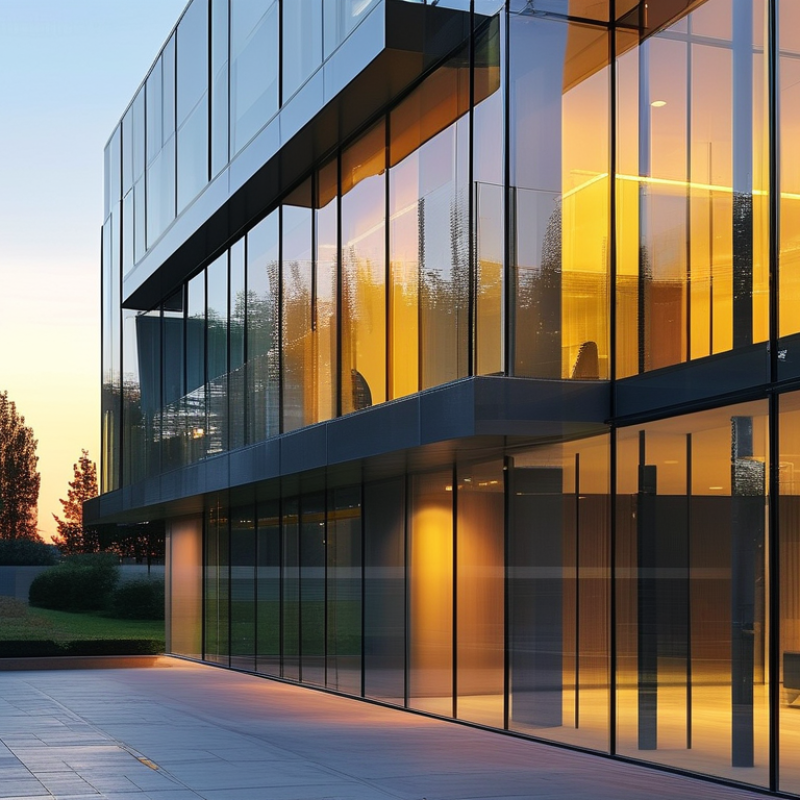
In contemporary architecture, laminated glass is used in facades, skylights, and balconies. These installations not only provide a sleek appearance but also offer protection against UV rays and thermal insulation. Moreover, this type of glass is used in interior design for partitions and decorative panels. The transparency and clarity can create an open feel, making spaces appear larger and more inviting.
However, designers need to consider weight and thickness when choosing laminated glass. Its heavier nature may require additional support. This added complexity can pose challenges during installation. Moreover, while laminated glass is durable, not all types are created equal. Understanding the specific requirements for a project is critical. Embracing these challenges can lead to innovative solutions in design, making laminated glass a valuable asset in the modern architectural landscape.
Safety and Security Features of Laminated Glass
Laminated glass is known for its exceptional safety and security features. This type of glass consists of two or more layers, bonded with a layer of polyvinyl butyral (PVB). This structure ensures that, in case of breakage, the shards stick to the PVB layer rather than scattering. This significantly reduces injuries and accidents.
Beyond its protective qualities, laminated glass can deter intruders. The difficulty of breaking through its layers makes it an excellent choice for windows and doors. Its resilience acts as a psychological barrier, discouraging theft. However, it's important to note that while no material is entirely foolproof, laminated glass can greatly enhance your security.
When considering laminated glass, think about the thickness and number of layers you need. Thicker glass provides better protection but can be heavier and more expensive. Evaluate the areas of your home that require extra safety. Balancing cost and security is key. Engaging a professional can provide insights tailored to your unique situation, ensuring you make an informed decision.
Top Features of Laminated Glass You Need to Know
Maintenance and Care for Laminated Glass Products
Maintaining laminated glass is crucial for its longevity and performance. Regular cleaning is essential. Use a soft cloth and mild soap solution to wipe the surface. Avoid harsh chemicals that can damage the lamination. Streaks can form if you don’t dry the glass properly. Take your time to ensure a clear finish.
Pay attention to the edges of the glass as well. Dirt and grime can accumulate there, leading to potential damage over time. Use a soft brush to reach these areas effectively. If you notice any chips or cracks, it's important to address them immediately. Ignoring small issues can lead to bigger problems down the line.
Environmental factors can also impact the glass. UV rays can cause fading. Consider placing shades or films to minimize exposure. Additionally, be mindful of sudden temperature changes. Rapid shifts can stress the material and lead to warping. Always handle laminated glass carefully during installations or repairs. This respect for the material will extend its life and maintain its appearance. Regular evaluations of the glass condition can help catch issues early.





