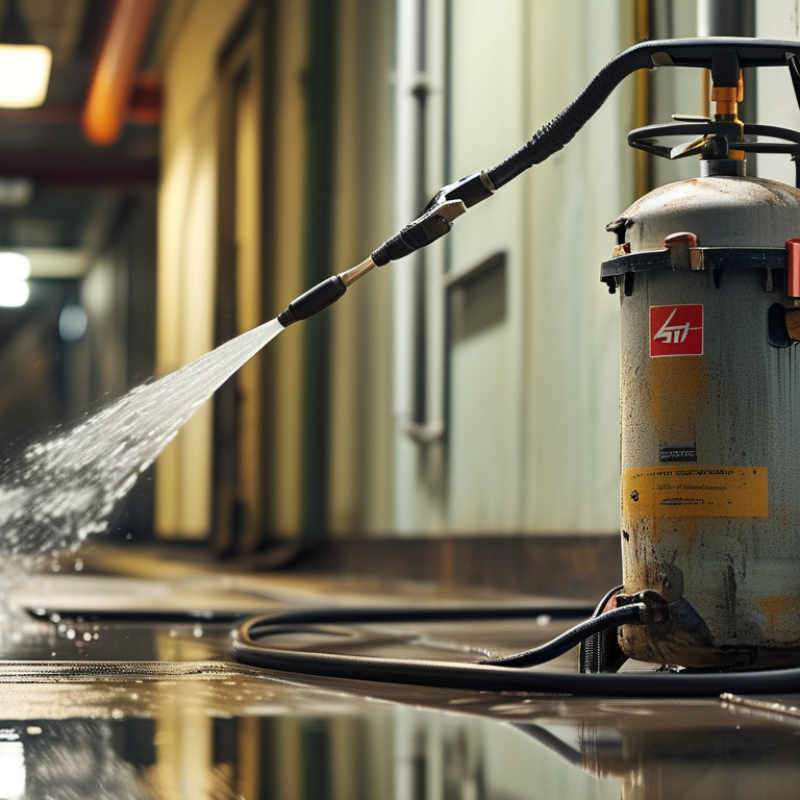
What is a Jetter Hose and How Does It Work?
In the world of plumbing and drain cleaning, the "Jetter Hose" plays a crucial role. Leading expert in the field, John Anderson, once stated, "A Jetter Hose revolutionizes how we tackle stubborn clogs." This powerful tool is designed to clear blockages using high-pressure water jets.
Typically, a Jetter Hose connects to a pressure washer or jetter machine. Its robust construction ensures durability while delivering exceptional performance. Many professionals rely on this tool for efficient cleaning of drains and sewer lines. Despite its effectiveness, improper use can lead to pipe damage, a reminder of the need for proper training.
Understanding how a Jetter Hose operates is essential for success in this industry. It represents a blend of advanced technology and practical application. Its efficiency can save time and money, but it is not without challenges. Users must be educated about best practices to maximize its potential.
What is a Jetter Hose?
A jetter hose is a specialized tool designed for cleaning pipes and drains. These hoses operate under high pressure, often reaching up to 4,000 PSI. This force enables them to break apart tough blockages, ensuring efficient drainage. A study conducted by the Global Pipe Inspection Market revealed that jetting technology has significantly increased efficiency in waste management, reducing operational costs by approximately 25%.
The construction of a jetter hose involves high-quality materials that can withstand intense pressure. Many hoses are made from reinforced synthetic rubber, allowing flexibility without sacrificing strength. However, regular maintenance is essential. Operators should check for wear and tear, as damaged hoses can lead to reduced performance or even dangerous blowouts. Industry experts suggest that routine inspection intervals should not exceed three months.
Despite their effectiveness, jetter hoses require skillful handling. Improper use can cause excessive wear on the pipes or even injury to the user. As reported by the American Society of Civil Engineers, nearly 15% of pipe failures result from inadequate cleaning methods. Professionals must undergo proper training to minimize risks and maximize the hose’s effectiveness. The investment in training and maintenance pays off in the long run, ensuring a reliable and safe operation.
Key Components of a Jetter Hose
A jetter hose is a vital tool for drain cleaning. It features several key components that ensure effective operation. The hose itself is built from durable, high-pressure materials designed to withstand demanding conditions. Its flexibility allows it to navigate through pipes easily.
Nozzle types vary, each serving specific tasks. Some nozzles focus high pressure in one direction, while others disperse water in multiple streams. This variety enables the jetter hose to tackle different types of clogs. The pressure rating of the jetter hose is crucial. It determines how effectively it can clear blockages.
When using a jetter hose, always pay attention to safety. High pressure can be dangerous. Wear protective gear to avoid injuries. It’s essential to check the equipment before use. Any sign of wear could lead to failures. Misuse can result in water damage. Regular maintenance is necessary to ensure reliability.
Consider practicing your technique in a safe environment. Experiment with different nozzles and pressures to see what works best. Documenting your findings can help refine your skills over time. Embrace the learning process and remain open to adjustments as needed.
How Jetter Hoses Generate High-Pressure Water Jets
A jetter hose is a specialized tool used for cleaning pipes and drains. It operates by generating high-pressure water jets that help remove stubborn blockages. The design of a jetter hose incorporates a nozzle that finely directs water at incredible pressure. This jet of water effectively breaks up even the toughest clogs, allowing for thorough cleaning.
These hoses work by connecting to a high-pressure water source. The water is forced through the jetter hose, which is typically high-strength to withstand the pressure. The nozzle at the end of the hose is critical for creating the powerful jets that do the cleaning. As water exits the nozzle, it moves at high speeds, dislodging debris and buildup within pipes.
Tip: When using a jetter hose, always wear appropriate protective gear. High-pressure water can cause injury if not handled correctly.
It's important to regularly inspect your jetter hose for wear and tear. Signs of damage can lead to inefficient cleaning and result in accidents. Consider having a more experienced operator handle complex jobs. A fresh set of eyes could spot potential issues you might overlook.
Applications of Jetter Hoses in Various Industries
Jetter hoses play a crucial role in many industries by offering a powerful and efficient way to clear blockages. In the plumbing industry, these hoses are essential for maintaining sewer lines. They can easily break down tough clogs caused by grease, roots, or debris. With high-pressure water jets, they restore flow in drains with minimal physical effort. This makes maintenance quicker and safer for technicians working underground.
In the agricultural sector, jetter hoses are used for cleaning irrigation systems and drainage fields. By preventing the build-up of sediment, they ensure proper water flow, supporting crop health. In the construction industry, these hoses help clear construction sites and maintain equipment. However, operators must be careful to avoid damaging fragile pipes or causing harmful back pressure.
While jetter hoses are highly effective, they require trained professionals to use them safely. Improper handling can lead to accidents or further damage. As industries continue to innovate, the applications of jetter hoses will likely expand, presenting both opportunities and challenges. Effective use hinges on experience and proper knowledge of each system's unique requirements.
Maintenance Tips for Jetter Hoses to Ensure Longevity
Jetter hoses are essential for effective drain cleaning and maintenance. Proper care ensures their longevity and efficiency. According to the Plumbing and Drainage Institute, regular maintenance can prolong the life of your jetter hose by up to 40%.
To maintain your jetter hose, consider these tips. Regularly inspect it for signs of wear or damage. Look for kinks or cracks that can hinder performance. Clean the hose after each use to remove debris. Using a hose reel can prevent unnecessary twisting and tangling. Also, ensure your water pressure does not exceed the manufacturer's recommendations to avoid wear.
Another critical point is storage. Store your hose in a cool, dry place when not in use. Extreme temperatures can degrade the material over time. If you notice any wear, replace the hose sooner rather than later. A damaged hose can lead to serious operational issues. By implementing these tips, you can enhance the lifespan of your jetter hose and maintain outstanding performance.