What Makes Iron Butterfly Valves Ideal for Global Procurement?
Iron Butterfly Valves have gained significant attention in global procurement due to their performance and reliability. David Turner, an industry expert and a senior engineer at Hydraulics Solutions, remarked, "The Iron Butterfly Valve truly bridges the gap between cost-effectiveness and operational efficiency." This sentiment resonates with many in procurement, highlighting the valve's enduring quality.
These valves offer exceptional durability in various environments. Their ability to withstand high pressure and temperature makes them suitable for diverse industrial applications. As global supply chains become more complex, the consistency of Iron Butterfly Valves is crucial. Procurement teams prefer suppliers who can deliver on time while ensuring quality.
However, challenges exist in sourcing these valves. Variations in manufacturing standards can lead to inconsistencies. It's essential for companies to conduct thorough evaluations. They must ensure suppliers meet industry benchmarks. Ultimately, the choice of Iron Butterfly Valves shapes operational success.
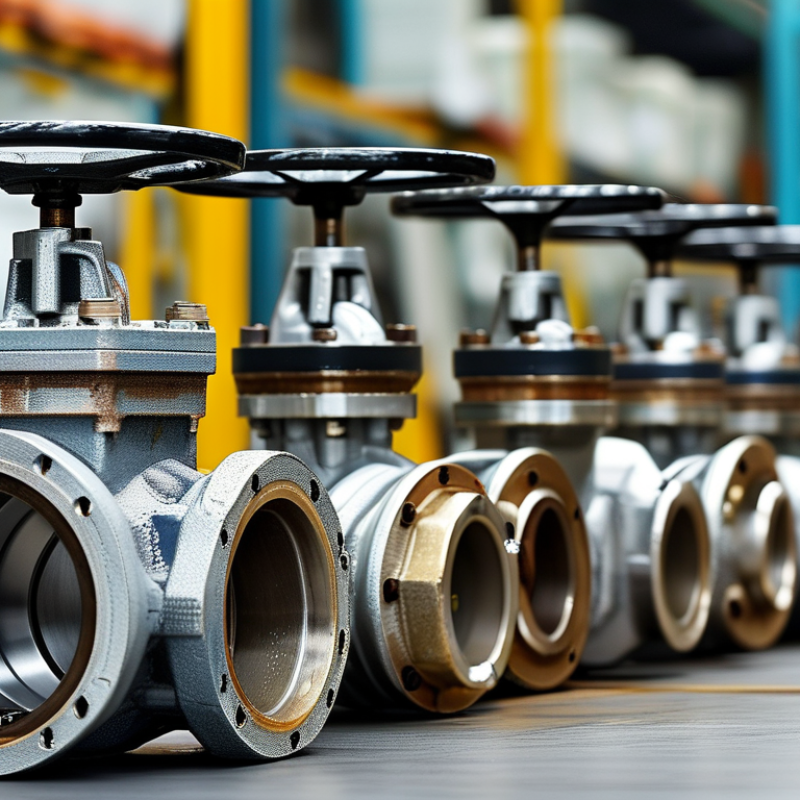
Key Characteristics of Iron Butterfly Valves in Global Markets
Iron butterfly valves are gaining traction in global markets due to their unique characteristics. They feature a compact design, making them suitable for various industrial applications. According to a recent industry report, the global market for butterfly valves is projected to grow by 6% annually. This shows strong demand for valves that deliver both efficiency and reliability.
One of the key characteristics of iron butterfly valves is their adaptability to different environments. They are resistant to corrosion and can handle high pressure. This durability is essential in sectors like oil, gas, and water treatment. A study highlights that over 40% of valve failures are due to material fatigue. Therefore, choosing robust materials such as iron becomes crucial.
Moreover, iron butterfly valves are easy to install and maintain. Their simple structure reduces installation costs by 25% compared to more complex valve types. However, some users report challenges with sealing performance over time. Continued innovation and testing are necessary to address these concerns and improve the product lifespan further.
Cost-Effectiveness: Advantages of Applying Iron Butterfly Valves
Iron butterfly valves are becoming a popular choice for global procurement due to their cost-effectiveness. These valves are known for their lightweight design, making them easy to handle and install. The simplicity of their design reduces production costs, which directly translates to savings for buyers.
Cost-effectiveness stems not only from production but also from maintenance. Iron butterfly valves require less frequent maintenance compared to other types. This reduces operational downtime, allowing companies to focus on their core activities. Their durability ensures they withstand harsh environments, providing reliable service over time.
However, there are limitations to consider. Iron valves may corrode if not coated properly, which can lead to potential failures. Though they often outperform other valves in terms of value, choosing the right application is crucial. A careful assessment of needs can prevent unnecessary costs. Addressing potential weaknesses in design will enhance overall efficiency and reliability.
What Makes Iron Butterfly Valves Ideal for Global Procurement?
| Dimension | Description | Benefits | Cost-Effectiveness |
| Material | Iron construction provides durability. | High resistance to corrosion and wear. | Lower maintenance costs over time. |
| Design | Compact design allows installation in tight spaces. | Flexibility in varied industrial applications. | Reduced installation costs due to ease of use. |
| Performance | Reliable performance with minimal leakage. | Ensures system efficiency and safety. | Decreased energy costs due to improved flow control. |
| Compatibility | Compatible with various fluids and gases. | Versatile use across different sectors. | Broadens procurement options globally. |
| Availability | Widely produced and available worldwide. | Ease of sourcing reduces lead times. | Competitive pricing due to high production volumes. |
Durability and Reliability: Why Iron Butterfly Valves Are Preferred
Iron butterfly valves are highly respected in global procurement. Their durability and reliability make them a favored choice in various industries. According to a report by the Global Valve Industry Association, these valves boast a failure rate of less than 1% over their operational lifespan. This impressive statistic highlights their robust construction, which withstands extreme conditions.
In addition to durability, these valves perform exceptionally well in demanding environments. They can handle high pressure and temperature fluctuations without compromising functionality. The materials used in manufacturing contribute to their ability to resist corrosion and wear, extending their operational life significantly. Yet, not every situation may suit these valves perfectly. For instance, specific fluid characteristics or temperatures may affect their performance, necessitating thorough evaluation before selection.
Tip: Always consider potential environmental factors when choosing valves. Evaluate temperature and pressure conditions to ensure compatibility. Equally important is to assess the long-term costs versus initial investment. While iron butterfly valves may appear more expensive upfront, their longevity can lead to cost savings.
Versatility and Applications of Iron Butterfly Valves Worldwide
Iron butterfly valves offer a wide range of applications, making them a go-to choice globally. These valves are pivotal in water treatment, HVAC systems, and industrial processes. Their lightweight design allows for easy installation and maintenance. In harsher environments, they withstand significant corrosion and pressure, ensuring reliability.
Versatility is a key feature. They can adapt to various media, from water to chemicals. This adaptability makes them suitable for different industries, including petrochemical and pharmaceutical. Although they excel in many areas, they aren’t perfect for all situations. For example, extreme temperatures may challenge their performance. It’s crucial to evaluate specific conditions before selection.
In conclusion, the global procurement of iron butterfly valves hinges on their multifunctionality. Their effectiveness across numerous applications demonstrates their value. Yet, careful consideration is needed to determine if they are suitable for every unique scenario. With proper assessment, these valves can significantly enhance system efficiency.
Sustainability and Compliance in Iron Butterfly Valve Production
Iron butterfly valves are gaining attention in global procurement due to their sustainability and compliance in production. These valves are often made from materials that minimize environmental impact. Manufacturers focus on reducing waste throughout the production process. This effort is increasingly vital as industries face pressure to meet sustainability goals.
Compliance with industry standards is another aspect that enhances the appeal of iron butterfly valves. These valves are designed to meet rigorous safety and environmental regulations. However, ongoing challenges in adhering to these standards remain. Some manufacturers struggle with ensuring consistent quality. This inconsistency can undermine public trust and affect procurement decisions.
Sustainability in production also involves energy-efficient processes. Many manufacturers are exploring renewable energy sources for their facilities. This shift not only reduces carbon footprints but also supports long-term viability. Nevertheless, the transition can be costly and complex. Companies must balance innovation with practical realities. Continuous improvement is vital as the industry evolves towards more sustainable practices.





