What Should You Know About Industrial Overhead Cranes?
industrial overhead cranes are essential in many sectors, including manufacturing, construction, and shipping. According to a report by Markets and Markets, the global crane market is projected to reach $50 billion by 2025, highlighting the critical role of cranes in industrial operations. These machines enhance workflow efficiency while ensuring safety in heavy lifting and transportation tasks.
In an industry where reliability is paramount, industrial overhead cranes present an interesting paradox. While they greatly improve productivity, improper usage can lead to severe accidents and costly downtime. Studies from the Occupational Safety and Health Administration (OSHA) emphasize the importance of proper training and maintenance protocols. These factors are crucial for minimizing risks during crane operations.
Understanding the components and features of industrial overhead cranes is equally important. Advanced models now incorporate technology for real-time monitoring and load management. Yet, organizations still face challenges in integrating these technologies effectively. As industries evolve, the focus on safety and efficiency remains vital, underpinning the significance of knowledge surrounding these cranes.
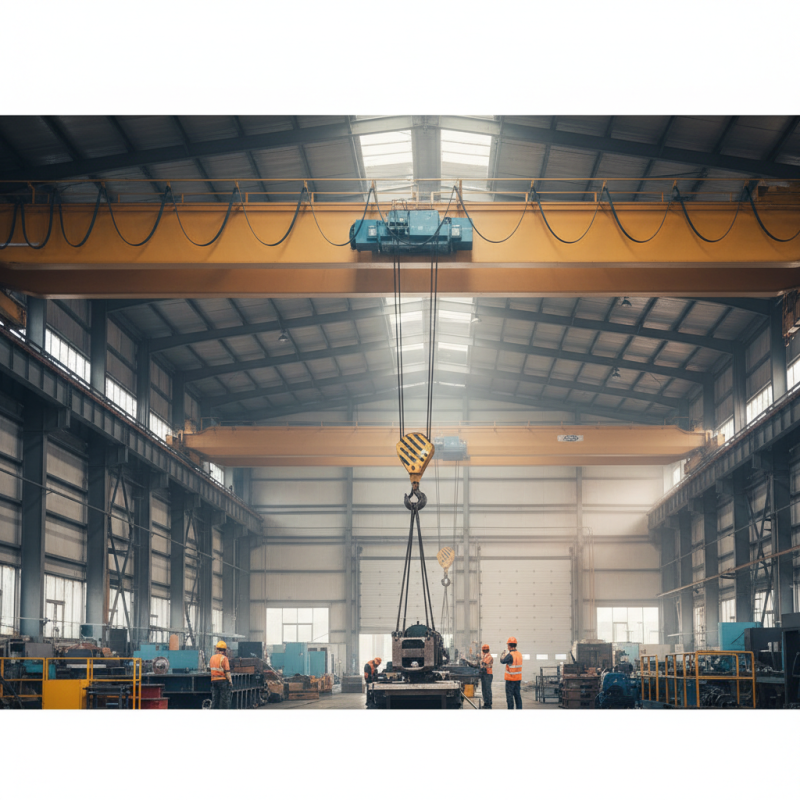
Understanding the Basics of Industrial Overhead Cranes and Their Types
Industrial overhead cranes play a vital role in various sectors. These cranes are designed to lift and transport heavy materials efficiently. Key types include bridge cranes, gantry cranes, and JIB cranes. According to industry reports, the global overhead crane market is expected to grow by 5.5% annually, emphasizing their importance in manufacturing and logistics.
When choosing an industrial overhead crane, consider factors like load capacity and operational environment. For instance, some cranes are better suited for indoor use, while others excel outdoors. Load capacity can range from a few tons to several hundred tons, depending on the application. It’s essential to match the crane to your specific needs to avoid operational inefficiencies.
Tips: Always perform regular maintenance checks. A well-maintained crane operates safely and efficiently. Failure to address wear and tear can lead to costly downtimes. Additionally, train operators thoroughly. Proper training minimizes accidents and enhances productivity. Remember that safety features should not be overlooked. Invest in cranes with reliable safety systems to mitigate risks in the workplace.
Key Components of Industrial Overhead Cranes and Their Functions
Industrial overhead cranes are vital in various sectors. Understanding their key components is essential for safe and efficient operation. The most prominent parts include the bridge, trolley, hoist, and controls. Each element plays a significant role in the crane's functionality.
The bridge supports the trolley and hoist system. It spans the workspace, allowing movement across areas. Trolleys move along the bridge and carry the hoist, enabling vertical lifting and lowering. The hoist is critical for lifting heavy loads. It uses gears or hydraulic systems to provide strength and precision. Operators must understand these components well to ensure safe usage.
Controls are the operator's interface with the crane. They allow for precise maneuvering. Complex controls may require training. Mistakes can lead to accidents or equipment damage. Regular maintenance checks are also necessary. Neglecting them can lead to malfunctions. Prioritizing safety and understanding each component will enhance operational efficiency.
Safety Standards and Regulations for Operating Overhead Cranes
Operating overhead cranes comes with serious safety responsibilities. According to the Occupational Safety and Health Administration (OSHA), in the U.S. alone, crane accidents account for a notable percentage of construction-related fatalities. Ensuring adherence to safety standards is paramount in minimizing these risks. For example, crane operators must complete rigorous training and certification programs, which are vital for gaining operational proficiency.
Regular inspections are crucial. The American National Standards Institute (ANSI) recommends that cranes be inspected daily before use. These checks help identify potential mechanical failures. However, many operators skip these inspections, risking equipment failure during operations. Furthermore, compliance with the most recent safety regulations, such as the ASME B30.2 standards, helps prevent workplace incidents.
Awareness of load limits is essential. Many accidents happen due to overloading cranes. Crane operators must understand the load capacity specified in the equipment manuals. Despite this knowledge, over half of crane-related accidents involve load miscalculations. Ensuring proper communication among team members creates a safer work environment. Operators should not work alone but collaborate with spotters to manage loads effectively. Emphasizing teamwork can greatly enhance safety outcomes in overhead crane operations.
Benefits and Applications of Overhead Cranes in Various Industries
Overhead cranes are vital in diverse industries, enhancing efficiency and productivity. In manufacturing, they streamline assembly lines and reduce manual handling. In fact, a report by the Material Handling Industry of America states that overhead cranes can increase productivity by up to 25%. This boost comes from their ability to lift heavy materials with precision, minimizing downtime.
In construction, these cranes provide solutions for moving large materials like steel beams and concrete blocks. They excel in tight spaces where traditional equipment may struggle. According to industry standards, using cranes can cut labor costs by up to 15% as fewer workers are needed for heavy lifting. Despite these benefits, some facilities still hesitate to invest in overhead cranes due to initial costs and maintenance concerns.
Moreover, industries must consider safety. Cranes are associated with risks, including operator errors and machinery malfunction. Reports indicate that 90% of crane accidents are preventable. Regular training and maintenance are essential to mitigate these risks. Investing in thorough training and regular inspections can significantly enhance safety outcomes while maximizing the benefits of overhead cranes.
Cost Factors and Maintenance Considerations for Industrial Overhead Cranes
When considering industrial overhead cranes, understanding the cost factors is crucial. The initial price includes not just the crane itself, but also installation and potential customization. Materials and load capacity play significant roles in determining overall costs. More robust cranes will typically require higher investment. Maintenance is another financial aspect requiring attention. Regular inspections can prevent costly repairs later.
Maintenance considerations are vital for longevity and safety. Operators should develop a clear maintenance schedule. This routine should encompass daily checks and periodic deep inspections. Over time, wear and tear can compromise the crane’s functionality. Ignoring small issues can escalate into major failures, costlier than regular upkeep.
Operators must also assess whether a scheduled maintenance plan is feasible. Some facilities may overlook the importance of these practices. Emphasizing proactive measures can lead to improved performance and reduce unexpected downtimes. Understanding the importance of routine maintenance cultivates a culture of safety and reliability in crane operations.
Cost Factors and Maintenance Considerations for Industrial Overhead Cranes
This bar chart illustrates the various cost factors associated with industrial overhead cranes, including initial purchase cost, installation cost, maintenance cost, and operational cost. Understanding these costs can help in better budgeting and planning for crane operations.





