Why You Need Pool Stabilizer for Your Swimming Pool?
Owning a swimming pool brings joy, relaxation, and a great escape from the heat. However, maintaining pool water quality can be challenging. One crucial component often overlooked is the "Pool Stabilizer." This essential chemical helps balance pool conditions, allowing for a more enjoyable swimming experience.
Without the right stabilizer, your pool may face high levels of chlorine degradation. This leads to increased chemical costs and less effective sanitation. Many pool owners fail to recognize this issue until it’s too late. The use of Pool Stabilizer can significantly reduce chlorine loss due to sunlight and heat, ensuring your pool remains clean and safe.
Investing in Pool Stabilizer is not just smart; it's necessary for long-term pool care. It enhances water clarity and reduces the frequency of chemical adjustments. Despite knowing its importance, some may still hesitate to apply it regularly. This oversight can lead to additional expenses. Recognizing the value of Pool Stabilizer can drastically improve your pool maintenance routine, offering peace of mind for every dip in the water.
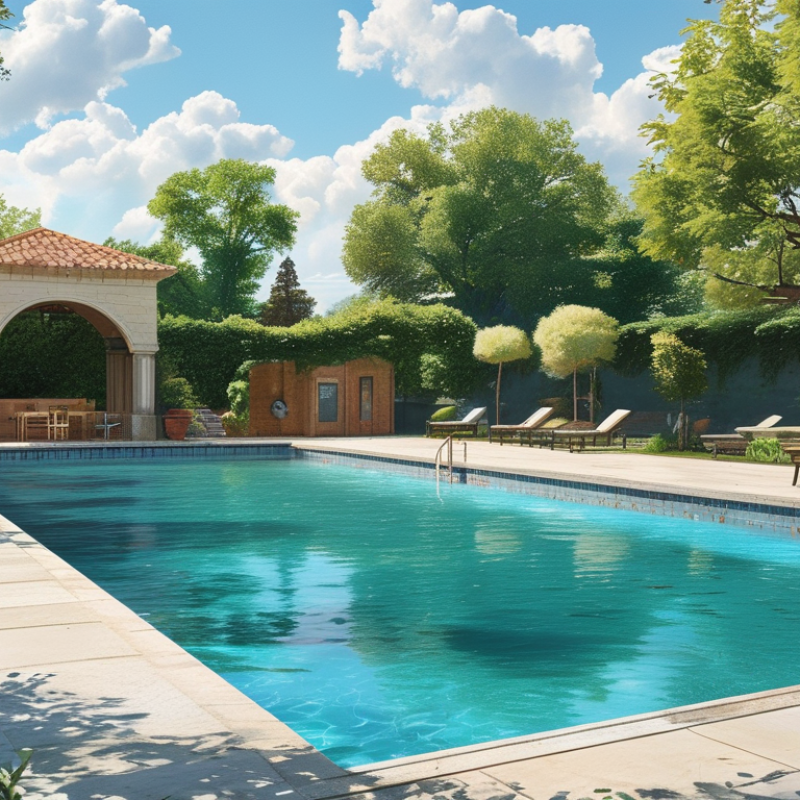
Understanding Pool Stabilizers: A Key Component for Swimming Pools
Swimming pools require careful maintenance. One essential component in this process is the pool stabilizer. It plays a vital role in maintaining water quality and extending the life of your pool.
Pool stabilizers help protect chlorine from being broken down by sunlight. Without a stabilizer, chlorine can evaporate quickly, leaving your pool vulnerable to bacteria and algae growth. This can lead to cloudy water and increased maintenance costs. Regular use of stabilizer helps keep the swimming environment healthy and enjoyable.
**Tip:** Regularly check your stabilizer levels. The ideal range is typically between 30 to 50 ppm. Adjust as necessary to maintain optimal pool conditions.
Another aspect to consider is water balance. A stabilizer aids in reducing chlorine loss, but improper pH levels can undermine its effectiveness. Ensure the pH, alkalinity, and chlorine levels are balanced.
**Tip:** Conduct frequent water tests. Use reliable testing kits to monitor chemical levels. This step is crucial for a sparkling, clean pool.
Investing time in understanding pool stabilizers can save you hassle and money in the long run. Choose the right balance to enhance your swimming experience. It’s essential to learn about these products and how they impact your maintenance routine.
The Role of Cyanuric Acid in UV Protection for Pool Water
Cyanuric acid plays a vital role in protecting swimming pools from harmful UV radiation. Studies show that without proper stabilization, up to 90% of chlorine can be lost within two hours due to sunlight exposure. This significant loss not only affects water quality but can also lead to increased chemical costs and maintenance challenges.
Incorporating cyanuric acid into pool water acts as a sunscreen for chlorine. It helps to preserve the effectiveness of the sanitizer, allowing it to work longer and more efficiently. Industry standards recommend maintaining a cyanuric acid level between 30 and 50 parts per million, providing optimal protection against UV rays. This level ensures that chlorine remains active, keeping pool water safe and clear.
However, too much of anything can worsen the situation. Excessive cyanuric acid can lead to a phenomenon known as "chlorine lock." When levels are too high, chlorine becomes less effective, prompting users to add even more chemicals. Regular testing and adjusting of cyanuric acid levels are essential. Proper management of these levels can help maintain pool health and efficiency.
Effects of Pool Stabilizers on Chlorine Efficiency and Longevity
When it comes to maintaining a swimming pool, stabilizers play a crucial role in enhancing chlorine efficiency and longevity. Without a proper stabilizer, chlorine dissipates quickly under sunlight. The National Swimming Pool Foundation reports that up to 90% of chlorine can evaporate when not stabilized. This rapid loss results in increased chemical costs and greater frequency of maintenance.
Using a pool stabilizer can significantly reduce chlorine consumption. A well-balanced pool can see up to a 30% increase in chlorine effectiveness with stabilizer usage. This not only prolongs the life of your chlorine but can also help maintain clearer water. The right stabilizer levels create a protective barrier, allowing chlorine to work more efficiently against bacteria and algae.
Tips: Regular testing of stabilizer levels is essential. Ideal levels should be between 30-50 ppm. Inspect your pool's stabilizer levels monthly to avoid imbalances. It’s also key to adjust your chlorine dosage based on the stabilizer results. Inconsistent stabilizer levels may lead to unexpected spikes in algae growth. Always prioritize both cleanliness and chemical balance for optimal pool health.
Industry Standards: Recommended Stabilizer Levels for Optimal Pool Health
Maintaining the right stabilizer levels in your swimming pool is crucial for its health. Industry standards recommend keeping cyanuric acid levels between 30 to 50 parts per million (ppm) for optimal chlorine efficiency. When levels fall below 30 ppm, chlorine can degrade rapidly, especially in sunny conditions. Conversely, levels above 50 ppm can lead to chlorine locking, where disinfection becomes inefficient.
Pool stabilizer works by shielding chlorine from ultraviolet rays, extending its lifespan. Based on a report by the Pool & Spa Association, pools with stable levels saw a 20% reduction in chlorine usage. This not only ensures cleaner water but also lowers overall maintenance costs. However, it's easy to overlook stabilizer levels, leading to imbalances that could affect water clarity and safety.
**Tip:** Regularly test your water to monitor stabilizer levels. Use a reliable test kit to check not just cyanuric acid but also pH and chlorine levels.
**Tip:** If your stabilizer levels are high, consider diluting the pool water by partially draining it. This might require more frequent testing, but it ensures a healthier swimming environment.
Pay attention to these parameters. Neglecting stabilizer levels can result in additional costs and frustrations down the line.
Why You Need Pool Stabilizer for Your Swimming Pool?
| Parameter | Recommended Levels | Impact on Pool Health |
| Cyanuric Acid (CYA) | 30-50 ppm | Helps protect chlorine from sunlight degradation. |
| pH Levels | 7.2-7.8 | Maintains chlorine efficiency and prevents corrosion. |
| Total Alkalinity | 80-120 ppm | Buffers pH levels to promote stability. |
| Calcium Hardness | 200-400 ppm | Prevents plaster damage and algae growth. |
Common Myths and Misconceptions About Pool Stabilizers in Maintenance
When it comes to pool maintenance, many myths surround the use of stabilizers. Some believe that they are unnecessary or even harmful. In reality, pool stabilizers play a crucial role in maintaining balanced water chemistry. According to the National Swimming Pool Foundation, properly stabilized pools can reduce chlorine usage by up to 50%. This not only saves money but also lowers the risk of skin irritation for swimmers.
A common misconception is that stabilizers can cause cloudy water or algae blooms. However, the opposite is often true. Stabilizers actually help to keep chlorine effective for longer periods by protecting it from sunlight degradation. This means more consistent sanitation. Data from the Centers for Disease Control and Prevention (CDC) highlights that well-maintained pools can significantly reduce the risk of recreational water illnesses.
Tips for using a stabilizer include checking the cyanuric acid (CYA) levels regularly. Aim for a range of 30 to 50 ppm for optimal performance. Additionally, don’t overuse stabilizers; too much can lead to diminished chlorine effectiveness. Frequent testing can help identify when to replenish or reduce levels, leading to healthier pool conditions. Be aware that your pool might require adjustments depending on environmental factors like sunlight exposure and swimmer load.





