Why is Electrical Steel Important in Modern Industry?
Electrical Steel plays a crucial role in modern industry, particularly in the manufacturing of electrical machines. According to Dr. John Smith, an expert in electrical materials, "The efficiency of electrical machines heavily relies on the quality of Electrical Steel used." This statement underlines its significance in various applications, from motors to transformers.
In recent years, the demand for high-quality Electrical Steel has grown. Industries are becoming more focused on energy efficiency and performance. Electrical Steel offers lower energy losses, leading to better overall system efficiency. However, the production of high-grade Electrical Steel can be resource-intensive. It raises questions about sustainability in manufacturing processes.
Despite the advancements, challenges remain. Not all manufacturers can meet the stringent quality standards needed for Electrical Steel. This inconsistency can lead to subpar products and lost efficiency. Reflecting on these aspects is necessary to ensure a balance between performance and sustainability in the Electrical Steel industry.
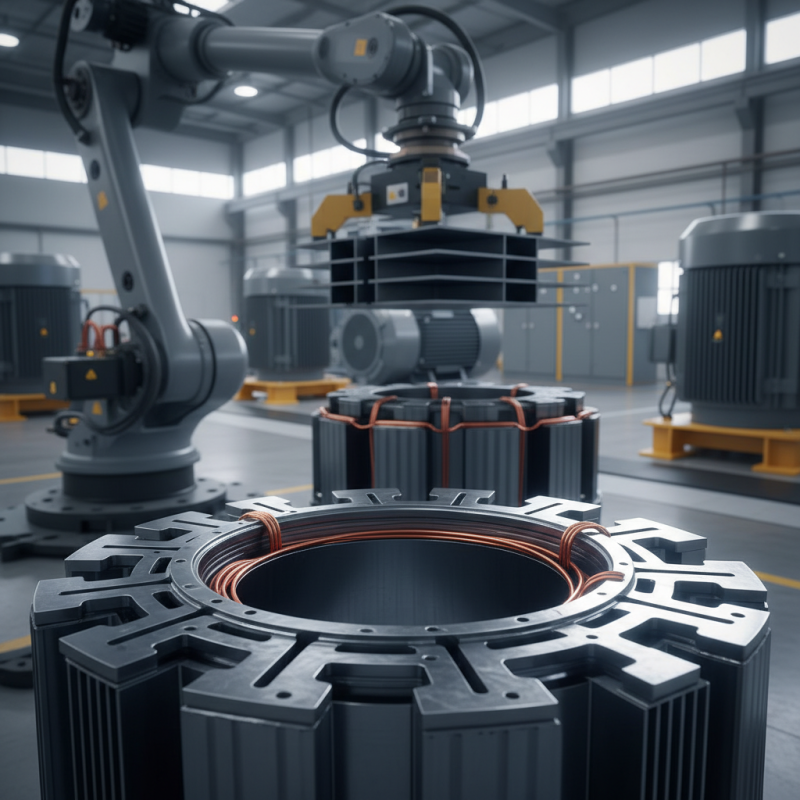
Role of Electrical Steel in Electrical Equipment Manufacturing
Electrical steel plays a vital role in the production of electrical equipment. Its unique properties enhance energy efficiency in various applications. This material is specifically designed for use in motors, transformers, and generators. By reducing energy losses, electrical steel ensures better performance.
The manufacturing process of electrical steel involves specific treatments. These treatments enhance magnetic properties, making steel ideal for high-performance devices. The thinner the steel, the better the efficiency. However, achieving the right thickness often poses challenges during production. It’s crucial to balance between cost and quality.
Despite advancements, the industry faces ongoing issues. Many manufacturers struggle to source high-quality raw materials. Inconsistent quality can hinder production timelines. Additionally, environmental considerations are becoming important. Striking a balance between sustainability and performance is an ongoing challenge for manufacturers in this field.
Properties of Electrical Steel that Enhance Performance
Electrical steel plays a vital role in modern industry, particularly in applications involving transformers and electric motors. Its unique properties greatly enhance performance. High magnetic permeability and low core loss make it essential for efficient energy conversion. Reports indicate that using high-grade electrical steel can improve transformer efficiency by up to 98.0%. This efficiency translates into lower energy costs for manufacturers and less waste.
One key property is the reduction of magnetic loss. Silicon content in electrical steel can significantly diminish hysteresis losses. Optimal silicon levels range from 2.5% to 3.5%. However, achieving this composition poses challenges during production. Manufacturers occasionally face difficulties maintaining uniformity, leading to inconsistencies in performance.
Another noteworthy aspect is the mechanical strength of electrical steel. Stronger steel can withstand the stresses of high-frequency applications. According to industry studies, the ability to operate at higher frequencies can yield better operational efficiencies. Still, the balance between strength and magnetic properties is delicate, requiring careful engineering and testing.
Applications of Electrical Steel in Modern Industry
Electrical steel plays a crucial role in various modern industries. Its unique properties make it essential for efficient power generation and transmission. This material is primarily used in transformers, electric motors, and generators. In electric motors, electrical steel helps reduce energy losses. It improves performance and enhances the lifespan of the motor.
In addition to motors, electrical steel is vital in the renewable energy sector. Wind turbines and solar inverters also rely on this material. Its lightweight and magnetic properties boost efficiency in converting energy. However, the production processes can be energy-intensive. This is a consideration for manufacturers seeking sustainable practices.
Challenges exist in sourcing high-quality electrical steel. Variability in quality can affect performance. Manufacturers must constantly innovate to meet growing demand while maintaining standards. Balancing cost and quality remains a persistent issue. Solutions need to be developed to tackle these complexities effectively.
Why is Electrical Steel Important in Modern Industry? - Applications of Electrical Steel in Modern Industry
| Application | Description | Importance | Material Type |
| Transformers | Used in electrical power distribution to regulate voltage levels. | High efficiency and reduced energy losses. | Silicon Steel |
| Motors | Serve as the driving force in many machines and appliances. | Improved performance and energy efficiency. | Electrical Steel |
| Generators | Convert mechanical energy into electrical energy. | Critical for sustainable energy production. | Grain-Oriented Steel |
| Inductors | Store energy in magnetic fields for electronic circuits. | Enhances circuit performance and stability. | Amorphous Steel |
| Magnetic Shields | Protect sensitive devices from external magnetic fields. | Ensures accuracy and reliability in sensitive applications. | Soft Magnetic Materials |
Impact of Electrical Steel on Energy Efficiency
Electrical steel plays a crucial role in modern industry, particularly in enhancing energy efficiency. This specialized metal is used to manufacture transformers, motors, and generators. By minimizing energy losses during operation, electrical steel helps reduce overall power consumption. A reduction in energy usage translates to lower operational costs and less strain on power grids.
Using electrical steel can significantly improve the functionality of electrical appliances. This material is designed to maximize magnetic performance. Higher efficiency means that devices like electric vehicles and renewable energy systems can operate more effectively. The integration of electrical steel can lead to longevity in equipment, but not every application fully utilizes its potential. Some designs still overlook the advancement of this crucial material.
Tip: When selecting materials for your projects, consider the energy-saving potential of electrical steel. Finding the right type can make a notable difference. Always ask about the specifications and performance standards. A deeper understanding may help in choosing products that not only meet needs but also contribute to efficiency. Every decision counts in reducing waste and enhancing productivity.
Future Trends in Electrical Steel Development and Innovation
The development of electrical steel is crucial for modern industry. This material plays a significant role in improving energy efficiency, especially in electric motors and transformers. In the coming years, we can expect innovations that focus on enhancing magnetic properties and reducing losses during operation. These advancements will directly impact industries like automotive and renewable energy.
One trend is the push for thinner electrical steel. Thinner sheets can reduce weight and improve efficiency in machines. Research is ongoing to create alloys that enhance performance while maintaining lower production costs. However, achieving these goals isn’t easy. There are ongoing challenges in balancing cost, performance, and environmental impact.
Tips: Look out for emerging technologies. New techniques in manufacturing can yield better results. Consider the role of recycling in steel production, as this can influence the material's sustainability. As the industry evolves, so must our approach to design and production.





