What is Idler Wheel and How to Source it Globally?
In the intricate world of industrial machinery, the Idler Wheel plays a pivotal role. This component maintains tension between moving parts, ensuring smooth operation. According to James H. Porter, a renowned expert in mechanical engineering, “An idler wheel is more than just a round piece of metal; it's the unsung hero of machine efficiency.” His insights shed light on the essential nature of this component in various applications.
When sourcing idler wheels globally, there are a few key factors to consider. Material quality is crucial for longevity. Sourcing from reputable manufacturers can prevent costly failures. Understanding regional manufacturing standards and certifications further enhances reliability in sourcing decisions. Shipping logistics and lead times can add complexity, requiring proactive planning.
As industries evolve, so do the specifications for idler wheels. The recent trends seek more durable materials and designs. However, disparities in quality can arise in the marketplace. This means buyers must remain vigilant. Knowing what to look for in potential suppliers can make a significant difference. Ultimately, the idler wheel's contribution to machinery cannot be underestimated.
What is an Idler Wheel and Its Function in Machinery?
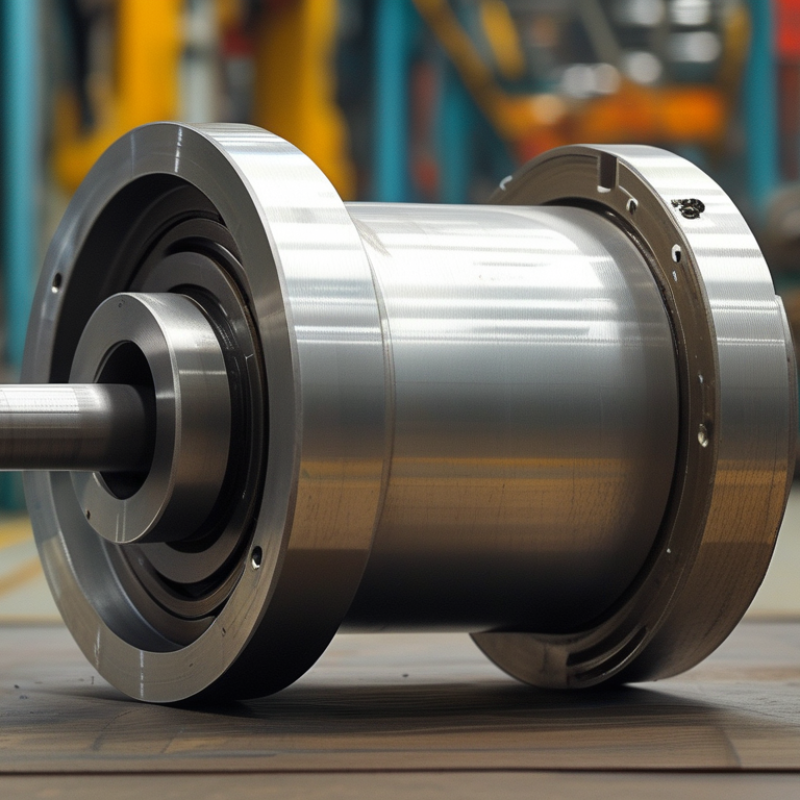
The idler wheel plays a crucial role in many types of machinery. It is designed to support and maintain the tension in a drive system. By doing so, it helps to ensure smooth operation and prevent wear on other components. Idler wheels can be found in various applications, from conveyors to automotive drives. Each application may require different constructions from materials like rubber, plastic, or metal.
The functionality of the idler wheel involves guiding and redirecting belts or chains. This redirection helps control the movement and speed of the system. However, it can sometimes lead to inefficiencies. Misalignment or wear can create additional friction, leading to energy loss. Operators must regularly check the condition and alignment of idler wheels. This is necessary to maintain optimal performance and avoid costly downtime.
Sourcing idler wheels globally can be challenging. Manufacturers vary greatly in quality and reliability. It’s essential to evaluate potential suppliers carefully. Look for those who have a strong track record in producing durable and effective idler wheels. Consider factors such as lead time, material specifications, and customer reviews. Sometimes, the perfect idler wheel may not come from the most popular supplier. It’s important to dig deeper to find trustworthy options.
What is Idler Wheel and How to Source it Globally?
| Dimension | Value | Material | Function | Applications |
| Diameter | 200 mm | Steel | Support Conveyor Belts | Material Handling |
| Width | 50 mm | Nylon | Reduce Friction | Industrial Machinery |
| Weight | 1.5 kg | Aluminium | Align Conveyor Belts | Construction Equipment |
| Load Capacity | 300 kg | Cast Iron | Support Load | Mining Operations |
| Bearing Type | Deep Groove Ball Bearing | Composite | Reduce Wear | Packaging Machinery |
Key Features and Characteristics of Idler Wheels
Idler wheels play a crucial role in various machinery and transport systems. Understanding their key features helps ensure effective sourcing and implementation. One notable characteristic is their ability to provide support and maintain tension in conveyor belts. This functionality reduces wear on other components and enhances overall system efficiency.
These wheels are typically made from durable materials like rubber or polyurethane. Such materials ensure longevity and reduced maintenance needs. The design often includes a grooved surface to improve grip and prevent slippage. Consideration of wheel size and load capacity is essential when selecting relevant specifications.
However, sourcing idler wheels globally can pose challenges. A wide range of suppliers exists, but quality control can vary. Always verify supplier reliability to avoid potential issues. Different regions may have varying standards, which could lead to inconsistent performance. Adjusting sourcing strategies based on local regulations and production capabilities is crucial in overcoming these obstacles.
Idler Wheel Sourcing Trends and Characteristics
Types of Idler Wheels Used in Various Industries
Idler wheels play a crucial role in various industries. They are essential components that help manage and distribute tension in conveyor systems, automotive engines, and heavy machinery. Different types of idler wheels serve specific purposes in their respective fields. For instance, in mining operations, heavy-duty idler wheels are employed to withstand rugged conditions. In the automotive sector, smaller and more precise idler wheels contribute to efficient engine performance.
Choosing the right idler wheel can be challenging. It's vital to consider factors like material, size, and load capacity. Here are some tips to ensure you pick the best option. First, assess the operational environment. Harsh conditions require wheels made from durable materials. Second, consult industry specifications to find technical requirements. Lastly, do not overlook compatibility with existing systems. Even minor mismatches can lead to failures.
In the construction industry, you might find polyurethane idler wheels due to their resilience. In contrast, steel idler wheels are common in heavy machinery for their strength. Remember, using the wrong type can disrupt operations. Reflect on your choices for improved efficiency. Analyze how swapping an idler wheel can impact your workflow. Small adjustments may lead to significant gains in productivity and reliability.
Global Sourcing Strategies for Idler Wheels
In the global sourcing of idler wheels, finding the right suppliers is crucial. This component plays a significant role in machinery and conveyor systems. A thorough understanding of the market landscape can help businesses identify potential partners. Collaborating with manufacturers who have a proven track record is essential. Considerations like production capabilities and material quality should not be overlooked.
Evaluating suppliers based on location can also impact costs and logistics. Sourcing from regions with established manufacturing can offer benefits. However, there are risks involved, such as fluctuating shipping times and tariffs. Diverse sourcing strategies lessens dependency on a single supplier. Emphasizing local suppliers might yield faster response times and support local economies.
Conducting due diligence is a significant part of the journey. Researching potential partners helps in understanding their capabilities. Requesting samples can provide insight into product quality. Reviews and testimonials from other clients can guide your decision-making process. Remember to remain adaptable and open to feedback when exploring new sourcing strategies. This approach can prevent mistakes and foster long-term relationships.
Factors to Consider When Sourcing Idler Wheels Internationally
When sourcing idler wheels globally, several factors must be taken into account. One crucial aspect is the manufacturing quality. Ensure that suppliers adhere to strict quality control measures. Products without certification may not meet essential standards. This can lead to costly issues later on. Speak with past clients of the supplier. Their experiences can shed light on potential risks.
Another factor is supply chain reliability. Investigate how suppliers handle logistics and shipping. Delays can disrupt your operations significantly. A reliable supplier should demonstrate a clear shipping process. Additionally, consider the cultural differences that may affect communication. Misunderstandings can cause setbacks. Clear and consistent communication is key to any successful partnership.
Price is essential, but it shouldn't be the only focus. Cheap products can sometimes translate to lower quality. Weigh the benefits of cost against potential risks. Be wary of deals that seem too good to be true. They often are. Ensure that you have an understanding of the entire market landscape. This helps in making informed decisions. Reflect on your sourcing strategy regularly. This will help refine your approach for better results.





