How to Identify and Use Muscovite Mica in Your Projects?
muscovite mica is a fascinating mineral that many crafters and builders use today. Dr. Emily Carson, a noted expert in mineral applications, emphasizes its importance: "Muscovite mica is invaluable in enhancing the properties of various materials." This versatility makes muscovite mica an essential choice for different projects.
When incorporating muscovite mica, understand its unique characteristics. Its shiny, layered structure adds both aesthetic appeal and functional benefits. Artists may use it for its reflective properties in paints, while builders explore its insulating capabilities. However, sourcing high-quality muscovite mica can be challenging. Not every batch meets the standards you might expect.
It’s crucial to learn how to identify genuine muscovite mica. Misleading claims often surround minerals in the market. Consider quality control and testing methods. The more informed you become, the better decisions you can make. Embrace the journey of discovering muscovite mica, even if it comes with its hurdles.
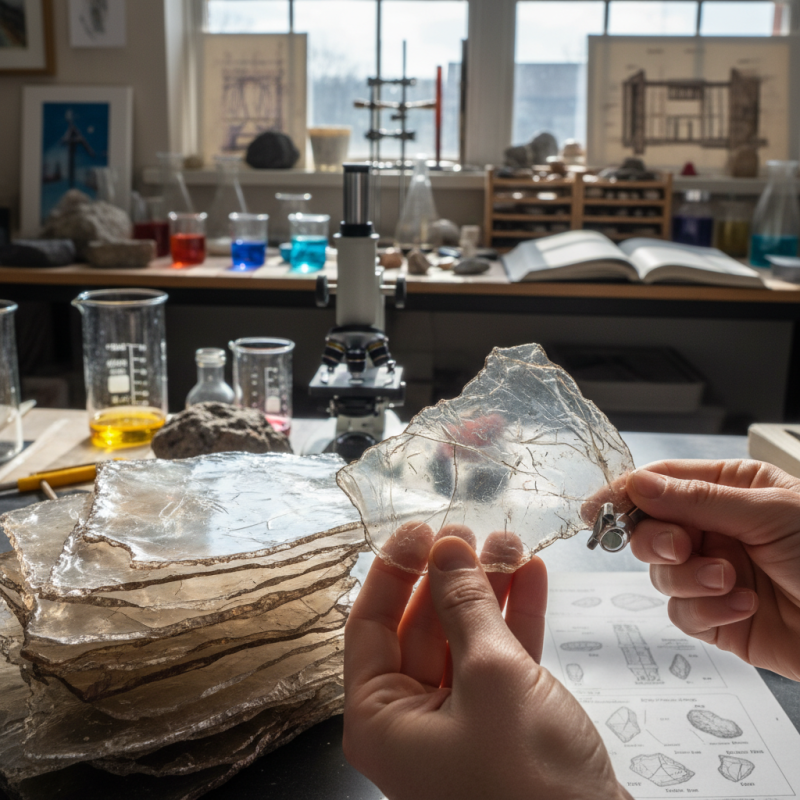
Understanding Muscovite Mica: Characteristics and Properties
Muscovite mica is a fascinating mineral widely used in various projects. Its most notable characteristics include a layered structure, shiny appearance, and heat resistance. These features make muscovite mica a great choice for applications like insulation, cosmetics, and artistic materials.
When working with muscovite mica, it's essential to consider its transparency and flexibility. These qualities allow it to be easily manipulated in crafts and design projects. Since it's available in different grades, selecting the right type is crucial. Use thinner sheets for delicate applications, and thicker ones for structural support.
**Tips:** Always test a small piece before large projects. This helps in controlling the outcome and ensuring good results. Mica can behave unpredictably, so adjusting your techniques is essential.
Another consideration is the sourcing of muscovite. Finding ethically sourced mica can be challenging, and it requires research. Ensure your material does not contribute to unethical practices. This reflection can guide you toward more responsible project choices.
Identifying Muscovite Mica in Natural and Processed Forms
Muscovite mica is a fascinating mineral with both natural and processed forms. In nature, it appears as thin, shimmering sheets. These sheets can be identified by their perfect cleavage and flexible, lightweight characteristics. Experts from the U.S. Geological Survey report that muscovite is primarily found in igneous and metamorphic rocks. Its translucent quality allows light to pass through, making it a popular choice in various projects.
When working with processed muscovite, look for products that maintain the mineral's key properties. Ground mica is often used as a filler or extender in paints and coatings. You should also know that treatments can affect its characteristics. Keeping a sample of raw muscovite can help you compare its processed forms. Remember, not every product labeled as “mica” is pure muscovite. Differentiating between types can be confusing.
Tips: Always consult safety data sheets when handling muscovite. This mineral can generate dust, which can be harmful when inhaled. Always wear a mask and work in a well-ventilated area. Understanding the properties of muscovite can transform your projects. Experiment with controlled samples to identify the best form for your specific needs. While muscovite is versatile, not every application will yield the desired results. Be prepared to make adjustments as necessary.
Applications of Muscovite Mica in Various Projects
Muscovite mica is widely used in various applications due to its unique properties. This mineral is noted for its insulating and reflective qualities. In the electronics sector, it serves as an excellent insulator for capacitors and other components. According to recent reports, the global mica market is projected to reach $1.2 billion by 2026, indicating a robust demand.
In construction, muscovite mica enhances the durability of materials. It is often incorporated into roofing and wall panels. This addition not only increases strength but also provides resistance to moisture. Research suggests that projects utilizing mica-based components exhibit a 30% greater longevity than those without. However, the incorporation of muscovite requires a careful balance of materials to avoid compromising structural integrity.
Artisans also value muscovite mica for its aesthetic appeal. It is used in paints, cosmetics, and artistic mediums. The shimmering quality it adds can elevate the product's market value. However, artists must be cautious, as not all muscovite is the same. Variations in purity and particle size can significantly affect results. Fine-tuning these aspects is essential for achieving the intended artistic vision.
Techniques for Effectively Using Muscovite Mica
Muscovite mica is a versatile mineral widely used in various projects. Utilizing its unique properties can enhance the aesthetic and functional aspects of products. Research from the Global Mica Alliance indicates that muscovite mica values continue to rise due to its flexibility and resistance to heat and moisture. These qualities make it ideal for applications in cosmetics and construction.
When incorporating muscovite mica into projects, proper techniques are crucial. Grinding it into a fine powder can improve its texture and appearance. Particle sizes ranging from 10 to 100 microns are common for optimal dispersion. This technique allows for a shimmering effect without clumping. However, some may struggle with achieving consistent texture. Experimenting with different sizes and blends may yield better outcomes.
In construction, muscovite serves as a reinforcing agent in lightweight materials. Reports show that its addition can reduce the weight of composite materials by up to 35%. Yet, striking a balance between lightness and strength often presents challenges. Understanding how to combine muscovite with other materials requires careful consideration. It's essential to test various formulations for desired results.
Safety Considerations When Working with Muscovite Mica
When working with muscovite mica, safety should be your priority. This material has fine particles that can become airborne. Inhalation of these particles may lead to respiratory issues. Always wear a mask to minimize dust exposure. Eye protection is equally important. Goggles can prevent irritation from particles.
Keep your workspace well-ventilated. Good airflow helps reduce dust accumulation. Consider using a damp cloth when cleaning. This method traps the particles and keeps them from spreading.
Tips: Always check for any allergies before using muscovite mica. Some individuals may experience skin irritation. Store it in an airtight container to prevent dust clouds. Be mindful that some older mica varieties may contain asbestos. Research before purchasing. Stay informed about the materials you’re using. Safety is not just about following rules; it’s also about being aware.
How to Identify and Use Muscovite Mica in Your Projects? - Safety Considerations When Working with Muscovite Mica
| Dimension | Description | Safety Considerations | Usage Tips |
| Color | Typically transparent to translucent with a glassy luster | Wear a mask to avoid inhaling dust | Keep it dry to prevent clumping |
| Chemical Composition | KAl2(AlSi3O10)(OH)2 | Use gloves to avoid skin irritation | Test for compatibility with projects first |
| Particle Size | Varies from fine powder to small flakes | Avoid prolonged exposure to dust | Use in well-ventilated areas |
| Applications | Cosmetics, paints, and electrical insulation | Store in a cool, dry place | Mix thoroughly before use |
| Availability | Widely available at craft and hardware stores | Check for proper labeling and quality | Verify sourcing for sustainability |





