What is the Ideal Chamber Temperature for Product Storage?
Determining the ideal chamber temperature for product storage is crucial in various industries. Dr. Emily Carter, a leading expert in environmental control systems, emphasizes, “The right chamber temperature can extend product life and maintain quality.” This statement highlights the significance of temperature regulation.
Chamber temperature affects everything from pharmaceuticals to food preservation. Inappropriate temperatures can lead to spoilage and degradation. Therefore, understanding the specific requirements for different products is essential. However, many fail to consider the nuances of temperature management. There is no one-size-fits-all solution.
Temperature extremes can cause significant issues. Too cold, and some products freeze, losing their effectiveness. Too warm, and there is a risk of bacterial growth. Hence, constant monitoring of chamber temperature is vital. Adapting to these variables requires careful attention. Professionals must remain aware of the challenges and continuously seek improvements in their storage conditions.
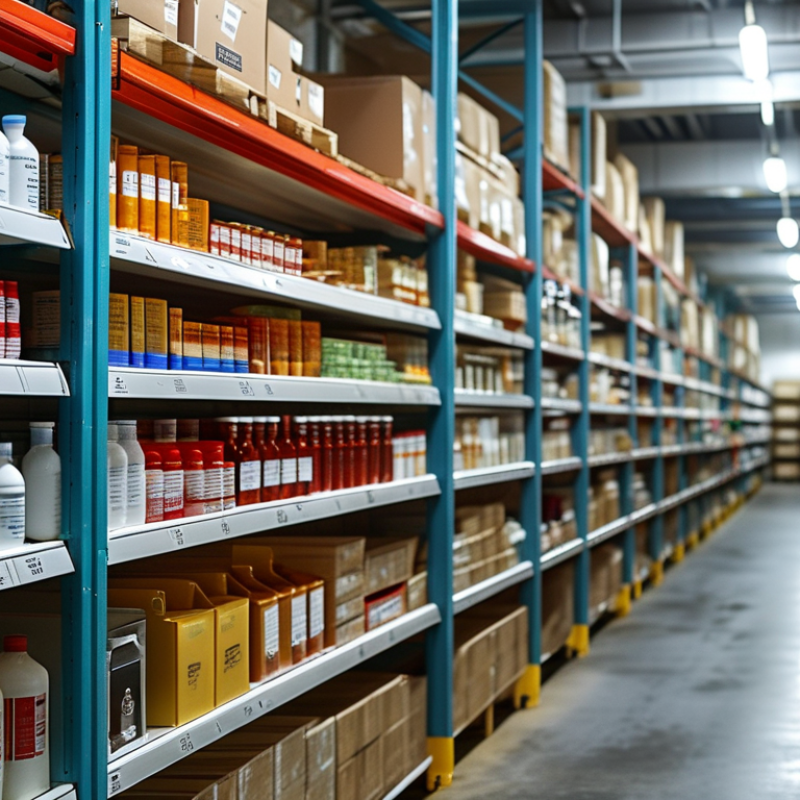
Factors Influencing the Ideal Chamber Temperature for Storage
Maintaining the right chamber temperature for product storage is crucial. Various factors influence what that ideal temperature should be. For example, the nature of the product plays a significant role. Perishable items, like food, generally require colder temperatures. In contrast, non-perishable items might withstand warmer conditions. Understanding the specific needs of each type of product can guide better storage solutions.
Humidity is another critical factor. High humidity can promote mold growth while low humidity can dry out products. Adjusting the chamber’s humidity can be just as important as regulating temperature. Additionally, the frequency of door openings impacts internal temperature stability. Each time the door opens, warm air can enter and disrupt the carefully maintained environment. This could lead to temperature fluctuations.
Finally, the placement of items within the storage chamber is important. Products should not be packed too tightly as this can block airflow. Ensuring proper air circulation helps maintain an even temperature throughout. Regular monitoring and adjustment based on external temperature changes are necessary. It’s easy to overlook these details, yet they are vital for effective storage management.
Recommended Temperature Ranges for Different Product Categories
When it comes to product storage, temperature plays a crucial role. Different categories of products require specific temperature ranges to maintain their quality and extend shelf life. For instance, perishable goods like dairy and meat should ideally be stored between 32°F and 40°F (0°C to 4°C). This range prevents bacterial growth, ensuring safety and freshness.
For dry goods such as cereals, grains, and snacks, a cooler, dry place is perfect. Maintaining temperatures around 50°F to 70°F (10°C to 21°C) helps preserve flavors and textures. However, it’s important to avoid areas with fluctuating temperatures as these can degrade product quality.
One tip for effective storage is to regularly monitor chamber temperatures. Even slight deviations can affect product integrity. Another thought is to ensure airflow within storage units. Good ventilation helps maintain even temperatures and reduces humidity. Remember, every product category may have unique needs, so understanding these specifics is essential for optimal storage practices.
Impact of Temperature on Product Shelf Life and Quality
Maintaining the right chamber temperature is vital for product storage. Temperature impacts shelf life and quality significantly. At optimal temperatures, products retain freshness for longer. For example, perishable items, like fruits and vegetables, experience accelerated spoilage in excessive heat. Conversely, extreme cold can alter texture and flavor.
Temperature fluctuations can also lead to unexpected consequences. Products might not show visible signs of spoilage right away. However, chemical reactions can still occur, degrading quality over time. For instance, an ideal chamber temperature for many food items is often around 0 to 4 degrees Celsius. Monitoring this can seem straightforward, yet even minor deviations can pose risks.
The challenge lies in maintaining consistency. Unexpected changes in temperature can happen due to various factors, like equipment failure or human error. This complexity makes it crucial to invest in quality monitoring systems. Regular checks ensure products meet safety and quality standards. Relying solely on visual inspection can lead to regrets down the line. Cold storage may require more attention than anticipated, reflecting the need for ongoing evaluation.
What is the Ideal Chamber Temperature for Product Storage?
This chart illustrates the impact of varying storage temperatures on product shelf life. As the temperature increases, the shelf life of products significantly decreases.
Technology and Equipment for Maintaining Optimal Storage Temperatures
Maintaining the optimal storage temperature for products is crucial in various industries, including food, pharmaceuticals, and cosmetics. According to the International Institute of Refrigeration, 30% of perishable products are wasted due to improper temperature control. This loss highlights the importance of investing in reliable technology and equipment designed for temperature regulation.
Advanced cooling systems are essential. For instance, electronic temperature monitoring tools can track fluctuations in real-time. These systems provide alerts when temperatures rise or fall outside acceptable ranges. Reports from the Global Cold Chain Alliance indicate that facilities using advanced monitoring technologies experience up to 50% less spoilage.
However, challenges persist. Many facilities still use outdated equipment, which may lead to inconsistent temperatures. Regular maintenance is often neglected, further compromising product integrity. Industry guidelines suggest that storage areas should be maintained at 2-8°C for refrigerated items, while frozen products require -18°C or colder. Striking this balance is essential in ensuring product safety and reducing waste.
What is the Ideal Chamber Temperature for Product Storage?
| Product Type | Ideal Temperature (°C) | Storage Duration (Days) | Humidity Level (%) | Comments |
| Fresh Vegetables | 0 to 4 | 7 to 14 | 95 to 100 | Store in high humidity to prevent wilting. |
| Dairy Products | 2 to 5 | 5 to 21 | 85 to 90 | Keep sealed to avoid absorption of odors. |
| Meat Products | -1 to 2 | 3 to 5 | 80 to 85 | Important to maintain low temperatures to prevent spoilage. |
| Pharmaceuticals | 15 to 25 | 30 to 60 | 40 to 50 | Storage conditions must be strictly monitored. |
| Baked Goods | 15 to 20 | 3 to 5 | 60 to 70 | Avoid exposure to moisture to prevent mold. |
Best Practices for Monitoring and Adjusting Storage Conditions
Monitoring and adjusting storage conditions is crucial for maintaining product integrity. Temperature fluctuations can lead to spoilage or reduced efficacy. To ensure optimal chamber temperature, consistent monitoring is key. Use reliable thermometers to get accurate readings. Regular checks can help detect any potential issues early.
Humidity levels also play a role in storage conditions. High humidity can promote mold growth, while too little can dry out products. Utilize hygrometers to track humidity within the storage area. Keeping a log of both temperature and humidity readings helps identify trends over time. This data is invaluable for adjusting conditions effectively.
Remember, achieving the ideal storage environment is an ongoing process. Conditions can change based on external factors. Maintaining proper storage requires diligence and periodic reevaluation of your methods. A proactive approach will ensure longevity and quality of your products over time.





