Hydraulic Tilt Coupler Tips for Optimal Performance and Use?
The Hydraulic Tilt Coupler is an essential tool for enhancing the versatility of excavators and other machinery. It allows for quick changes in attachment angles, improving efficiency in various tasks. This is particularly valuable in tight spaces or uneven terrain, where precision is critical. Understanding how to properly utilize this technology can significantly boost performance.
Many operators often overlook the maintenance of their Hydraulic Tilt Coupler. Regular inspections can prevent costly breakdowns. It’s important to clean the coupler and check for wear. Neglecting these tasks may lead to operational issues. A well-maintained coupler not only enhances safety but also extends the lifespan of the equipment.
Operators should also consider the terrain when using a Hydraulic Tilt Coupler. Different soil types and inclines can affect performance. Experimenting with various settings helps identify the best configurations for specific jobs. This trial-and-error approach can uncover potential inefficiencies, leading to more informed decisions in the future.
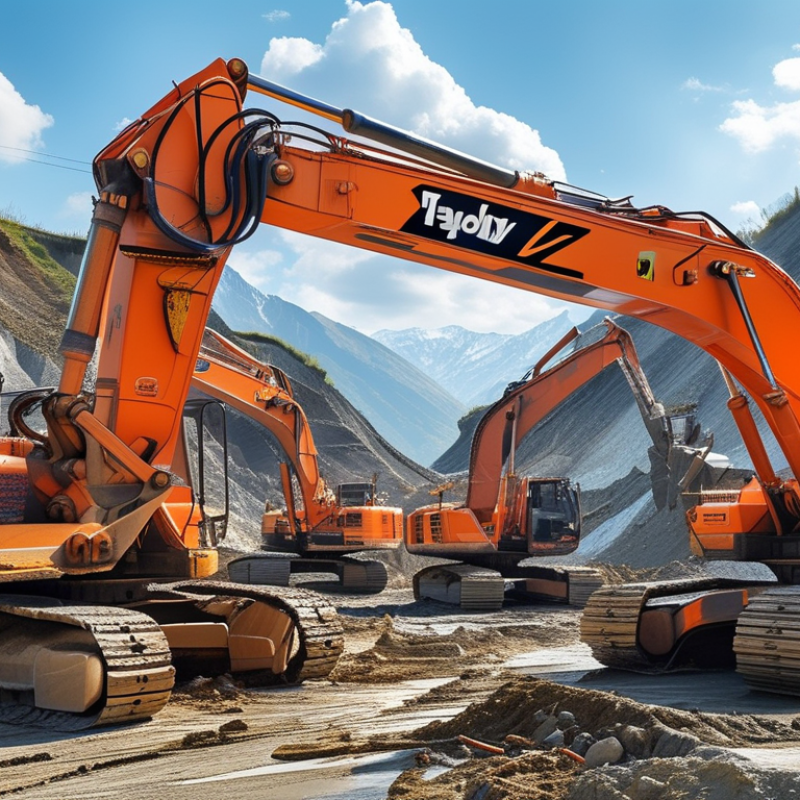
Understanding Hydraulic Tilt Couplers and Their Functionality
Hydraulic tilt couplers enhance the versatility of excavators by allowing quick attachment changes. These devices can pivot to a specific angle, improving digging precision. According to industry reports, proper use of hydraulic tilt couplers can increase productivity by up to 30%. Understanding their functionality is critical for optimal performance.
To ensure effective operation, regularly inspect the hydraulic connections. Look out for wear or leaks that could compromise efficiency. A poorly maintained coupler can lead to costly downtime. Proper training on how to operate these couplers can also prevent misuse, which might cause accidents or equipment damage.
For best results, avoid overloading the coupler. Each design has weight limits that should never be exceeded. Overloading not only reduces performance but can lead to premature failure. Consider implementing a routine check on the tilt coupler's functionality before starting work. Knowing the limits allows for safer and more effective use, enhancing overall project outcomes.
Key Advantages of Using Hydraulic Tilt Couplers in Excavation
Hydraulic tilt couplers are becoming essential in excavation projects. They provide operators with the ability to tilt and rotate attachments. This flexibility enhances productivity on the job site. Operators can easily switch from one task to another without losing time. The tilt function allows for precise grading and digging in uneven terrain.
Using hydraulic tilt couplers also reduces the need for multiple attachments. This minimizes equipment wear and tear. Fewer attachments mean fewer connections to maintain. It streamlines workflows and helps operators focus on their work. The use of tilt couplers improves digging accuracy, especially in complex sites. They allow operators to adapt to environmental challenges quickly.
However, it's crucial to consider proper training for operators. Misuse can lead to accidents or equipment damage. Understanding the nuances of the tilt functionality takes time. Some might find the learning curve steep. Yet, those who invest the effort often see significant performance gains. Proper maintenance of the couplers also plays a vital role in their effectiveness. Routine checks can prevent issues that might disrupt operations.
Hydraulic Tilt Coupler Tips for Optimal Performance and Use
| Feature | Description | Advantages |
| Increased Flexibility | Allows the operator to tilt the bucket or tool while working. | Enhanced versatility in complex excavation tasks. |
| Improved Accuracy | Precision in narrowing down digging angles. | Better control leads to higher quality work. |
| Speed of Operation | Hydraulic tilt couplers enable quicker adjustments. | Increased productivity and reduced project duration. |
| Reduced Wear | Minimizes wear on the machine by allowing optimal angles. | Lower maintenance costs and extended equipment life. |
| Versatile Applications | Can be used in various projects like landscaping, grading, and trenching. | Adaptability to different task requirements. |
Essential Maintenance Tips for Hydraulic Tilt Couplers Longevity
Maintaining hydraulic tilt couplers is crucial for ensuring their longevity and optimal performance. Regular inspection is key. Studies show that nearly 25% of equipment failures relate to hydraulic systems. This often stems from neglecting maintenance routines. Operators should visually inspect seals, hoses, and connections for signs of wear or damage. Addressing issues early can prevent extensive repairs later.
Lubrication is another critical aspect. Inadequate lubrication can lead to increased friction and subsequent wear. According to industry reports, proper lubrication can boost component life by up to 30%. Use the recommended hydraulic fluids, and ensure that the system is properly bled of air. Regularly changing the fluid is essential, as contaminations can reduce efficiency.
Finally, training is often overlooked. Operators should receive training on the specifics of hydraulic technology. Improper handling can lead to unnecessary wear. Encouraging feedback from operators can help identify potential issues. Continuous improvement leads to better practices and longer equipment life. Regular maintenance checks should not be optional; they are vital for performance and safety.
Optimal Operating Conditions for Enhanced Tilt Coupler Performance
Hydraulic tilt couplers can greatly enhance the efficiency of heavy machinery, but optimal operating conditions are crucial. Maintaining a clean hydraulic system is one of the best practices. This reduces wear and tear on components and improves performance. Inspecting filters regularly helps ensure smoother operation.
Temperature control is another important factor. Hydraulic fluid should remain within proper temperature ranges. High temperatures can degrade fluid properties, negatively impacting functionality. Conversely, extremely low temperatures can make fluid too viscous. Adjusting the system's operation according to weather conditions can optimize performance.
In addition, being mindful of weight limits is essential. Overloading equipment can lead to premature failure of the coupler. Understand the specific limits and adhere to them. Regular maintenance checks can identify wear before it becomes a problem. These proactive steps can lead to improved durability and overall performance. Always reflect on your machinery’s capabilities to enhance operational efficiency.
Hydraulic Tilt Coupler Performance Metrics
This chart illustrates the optimal performance metrics for hydraulic tilt couplers, including operating pressure, working angle, cycle time, and load capacity. These factors are critical for ensuring enhanced performance and efficient use.
Industry Standards and Specifications for Hydraulic Tilt Couplers
Hydraulic tilt couplers are essential in construction and demolition applications. They enhance excavator versatility by allowing easier attachment changes while working. Adhering to industry standards is crucial for ensuring safety and effectiveness. The American Society of Mechanical Engineers (ASME) provides guidelines for designing and testing hydraulic couplers. These standards help manufacturers create reliable products that can withstand daily operational demands.
Recent reports from the Equipment Manufacturers Association (EMA) indicate that improperly designed tilt couplers can lead to safety hazards. These couplers must operate within specified pressure limits, typically around 3,000 to 5,000 psi. Deviating from these standards can compromise performance, resulting in equipment failure. Operators must regularly inspect couplers for wear and damages. Ignoring this can lead to costly downtime and unsafe work conditions.
The adoption of standardized coupler specifications is rising. Doing so improves compatibility among attachments and enhances operational efficiency. However, some contractors still face challenges with inconsistent sizing and fitting. This requires a more unified approach to design and standardization. Continuous professional development in handling hydraulic systems is vital. It equips operators with knowledge, ensuring they understand the importance of adhering to specifications.





