Hydraulic Swing Actuator Tips for Global Buyers How to Choose?
The global market for Hydraulic Swing Actuators has witnessed significant growth. According to a recent report by ResearchAndMarkets, the hydraulic actuator market is expected to reach USD 20 billion by 2025, with swing actuators gaining a notable share. This growth reflects the rising demand in industries such as construction, agriculture, and manufacturing.
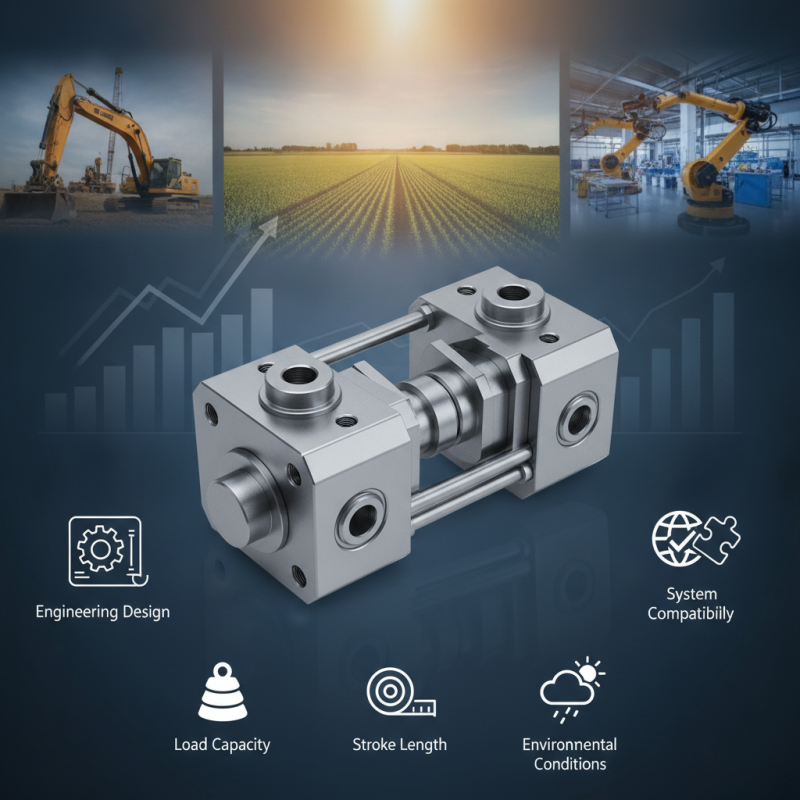
When choosing a hydraulic swing actuator, various factors come into play. Key aspects include load capacity, stroke length, and environmental conditions. Buyers must also consider the reputation of manufacturers. Reliable brands often provide better performance and durability. Moreover, maintaining high standards of engineering design is critical to operational efficiency.
Yet, challenges persist. Some buyers may overlook compatibility with existing systems. Additionally, the complexity of hydraulic systems requires careful planning and installation. Understanding specifications thoroughly is essential for successful integration. A well-informed decision helps avoid pitfalls and enhances overall project success.
Hydraulic Swing Actuator Overview: Key Components and Functions
Hydraulic swing actuators are vital in various industries. They manage the movement of heavy equipment with precision. Understanding their key components helps buyers make informed decisions. The actuator generally includes a hydraulic cylinder, control valve, connecting rods, and a housing that protects these elements. This setup converts hydraulic pressure into mechanical motion.
Recent industry reports indicate a rising demand for hydraulic swing actuators. A significant growth rate of 6.5% is projected over the next five years. This trend highlights their essential role in automation. However, challenges exist. Misunderstanding specifications often leads to underperformance. Buyers should carefully consider the power requirements and compatibility with existing systems.
Maintenance can also be a concern. It’s crucial to address leaks, as they can reduce efficiency. Regular inspections help detect potential failures early. Some users report difficulties in finding reliable service providers for repairs. The intricacy of hydraulic systems sometimes deters new buyers. Developing a strong grasp on component knowledge is crucial for optimal performance.
Hydraulic Swing Actuator Components Overview
Market Trends in Hydraulic Actuators: Growth and Demand Statistics
The hydraulic actuator market is witnessing significant growth. Reports suggest that it is expected to reach a value of over $20 billion by 2025. This growth is largely driven by the increasing demand in key industries like construction, automotive, and aerospace.
In particular, the construction sector is intensifying its reliance on hydraulic actuators. The mechanism's efficiency in handling heavy loads makes it indispensable in excavators and cranes. In fact, about 30% of hydraulic actuator demand stems from construction applications. Furthermore, new technologies are enhancing actuator efficiency, leading to a projected CAGR of over 6% during the next five years.
While market growth appears promising, challenges remain. Many manufacturers struggle with supply chain disruptions and fluctuating material costs. This instability can impact the pricing and availability of hydraulic actuators. Buyers must remain vigilant and consider these factors when making purchasing decisions. Understanding market fluctuations can inform better choices and enhance procurement strategies.
Hydraulic Swing Actuator Market Insights
| Region | Market Growth Rate (%) | Demand Statistics (Units) | Application Sectors |
| North America | 5.4 | 150,000 | Construction, Agriculture |
| Europe | 4.8 | 120,000 | Manufacturing, Marine |
| Asia-Pacific | 7.2 | 250,000 | Mining, Energy |
| Latin America | 3.9 | 80,000 | Agriculture, Transportation |
| Middle East & Africa | 4.5 | 60,000 | Construction, Oil & Gas |
Factors Influencing Selection: Size, Pressure Ratings, and Applications
Choosing the right hydraulic swing actuator involves understanding several key factors. Size is crucial; it dictates the actuator's capacity and the spaces it can fit into. Too large, and you risk complications in installation. Too small, and it may not handle the required load. Measure your application’s dimensions accurately.
Pressure ratings also play a significant role. Each actuator has a maximum pressure it can withstand. If you exceed this, you might face performance issues or even failures. Assess your system's requirements carefully. Don’t overlook the operational environment; temperature and fluid type can affect performance too.
For buyers, consider these tips: Always consult with experts for advice tailored to your specific needs. Research different applications to see which actuators perform best. Make a detailed checklist of requirements. This preparation can save you time and money. Remember to account for future scalability when making your choice.
Performance Metrics: Efficiency, Speed, and Load Capacity Analysis
When selecting hydraulic swing actuators, understanding performance metrics is crucial. Efficiency is a primary concern. An efficient actuator uses less energy while delivering the required performance. This reduces operational costs and enhances productivity. Look for models that specify energy consumption rates under various operating conditions.
Speed is another vital metric. A fast-responding actuator can significantly improve overall system responsiveness. This is particularly essential in applications requiring quick maneuvers. Evaluate the actuators’ speed specifications. They should be aligned with your specific operational needs to avoid delays or inefficiencies.
Load capacity also plays a key role. Understanding how much weight the actuator can handle is fundamental. This prevents overload situations that could lead to failures. Always consider the maximum load ratings provided by manufacturers. Ensure they meet or exceed your application requirements. Remember, overlooking any of these metrics could lead to performance issues. Each actuator must be carefully assessed to ensure reliability and effectiveness.
Global Sourcing Considerations: Supplier Reliability and Compliance Standards
When sourcing hydraulic swing actuators globally, buyer's focus should be on supplier reliability. This begins with assessing a supplier's history and experience in the industry. A reliable supplier often has years of proven performance. Requesting references can provide invaluable insights into their past work.
Compliance with international standards is equally crucial. Buyers should ensure that their suppliers follow relevant certifications. This guarantees that the products meet safety and quality requirements. However, keep in mind that not all certifications hold the same weight. Some might lack stringent evaluation processes, leading to potential issues.
Moreover, consider that communication plays a key role in supplier relationships. A responsive supplier can address concerns quickly, which is vital during challenges. Yet, miscommunications can arise due to language barriers or cultural differences. Establishing clear expectations from the beginning can help mitigate misunderstandings. Evaluating suppliers carefully ensures a smoother sourcing experience.





