What is a hydraulic pile driver machine and how does it work?
hydraulic pile driver machines play a crucial role in construction projects. These machines create deep foundations, ensuring stability for buildings and structures. According to John Smith, a leading expert in construction machinery, “A hydraulic pile driver machine is essential for modern engineering.” This technology revolutionizes how we approach foundation work.
The hydraulic pile driver machine works by using high pressure to drive piles deep into the ground. This process is vital in areas with challenging soil conditions. As buildings grow taller, the importance of a solid foundation cannot be overstated. Engineers continuously seek advancements to improve efficiency and safety in foundation installations.
Despite their benefits, the efficiency of these machines can vary based on factors like soil density and pile material. Understanding these nuances is critical for engineers. Each site presents unique challenges, making it necessary to adapt methods accordingly. This adaptability is what makes the hydraulic pile driver machine a reliable choice in construction.
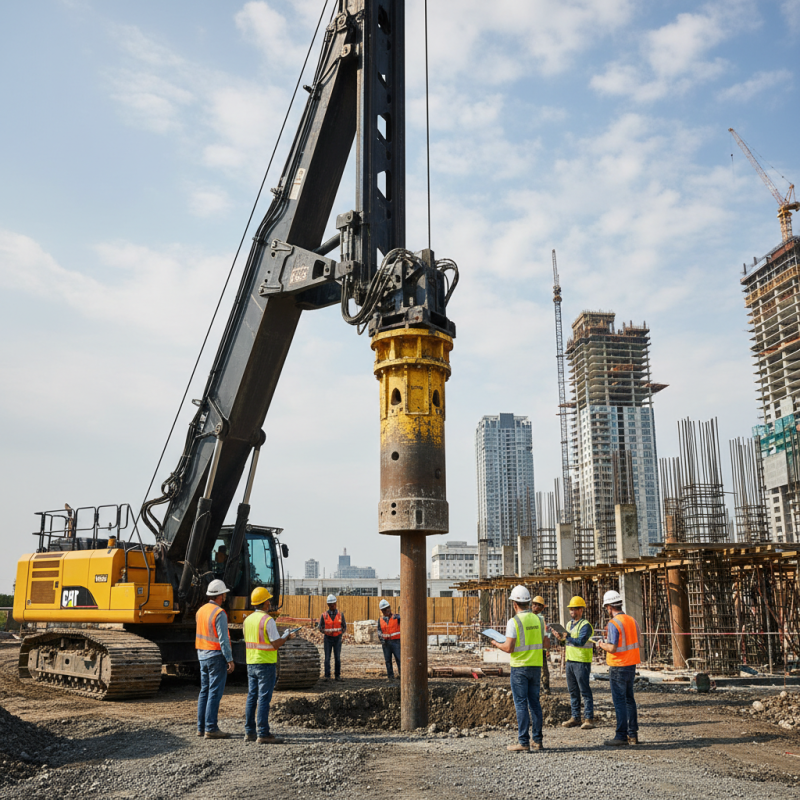
What is a Hydraulic Pile Driver Machine?
A hydraulic pile driver machine is essential in construction. It helps install piles deep into the ground for foundations. This equipment uses hydraulic pressure to lift and drop a heavy hammer. The force drives the pile into the soil, securing it in place. The driving process can happen quickly, allowing for efficient site operations.
Understanding this machine requires grasping its mechanics. The hydraulic system powers the movement. It can generate significant force, enabling it to penetrate various soil types. Operators must be skilled to ensure accuracy. Improper handling can lead to mistakes, affecting the structure’s integrity. Regular maintenance is crucial. Care ensures reliability and efficiency in the long run.
Despite its robustness, challenges exist. In some soil conditions, the machinery may face resistance. Adjustments to the force might be needed to avoid damage. Continuous monitoring is essential. Experienced workers can quickly spot issues during operation. Their insights can improve performance and prevent costly delays.
The Components of a Hydraulic Pile Driver
A hydraulic pile driver is a powerful machine used in construction. Its primary role is to drive piles deep into the ground, providing stability for buildings and structures. Understanding its components can help clarify how it operates efficiently.
The hydraulic system is the heart of the pile driver. It uses high-pressure fluid to create force. This pressure powers the hammer mechanism. The hammer falls, striking the pile, driving it into the soil. Next, the frame provides structural integrity. It supports the hammer and positions it accurately above the pile. The base of the machine stabilizes it during operation.
Another crucial component is the control system. Operators can adjust the speed and impact force. This flexibility enhances effectiveness at various sites. Yet, there's a learning curve. Beginners may struggle to master the controls. Equipment maintenance is essential too. Neglecting it can lead to breakdowns, impacting project timelines. Each component plays a vital role in the machine's overall success.
How Hydraulic Pile Drivers Operate in Construction
Hydraulic pile drivers play a crucial role in construction. These machines are designed to drive piles deep into the ground. A pile is a long, slender post that provides foundational support for buildings and other structures. Hydraulic systems generate immense force, allowing the machine to transfer energy efficiently.
Operation begins with positioning the pile driver above the desired location. The hydraulic system raises a hammer using pressurized fluid. When the hammer is released, it falls onto the pile. This impact drives the pile into the ground, creating stability for the structure above. The process can be repeated multiple times to ensure the pile reaches the necessary depth.
Hydraulic pile drivers can face challenges. Soil type significantly affects performance. In rocky terrains, the machine may struggle to achieve the required depth. Operators must continuously adjust the force applied based on ground conditions. Feedback and observation are vital in optimizing the driving process. Workers often learn from these experiences to improve future operations, demonstrating the need for adaptability in construction practices.
What is a hydraulic pile driver machine and how does it work?
| Feature | Description |
| Type | Hydraulic |
| Power Source | Hydraulic system |
| Common Applications | Foundation construction, marine work, and civil engineering projects |
| Operation Mechanism | Utilizes a hydraulic cylinder to drive piles into the ground |
| Advantages | Effective for various soil types, reduced noise and vibration compared to diesel drivers |
| Disadvantages | Higher initial cost and requires a hydraulic source |
| Safety Features | Emergency stop buttons, safety guards, and operator training requirements |
| Maintenance Tips | Regular lubrication of moving parts and inspection of hydraulic hoses |
Advantages of Using Hydraulic Pile Drivers
Hydraulic pile drivers are essential in construction. These machines use hydraulic force to drive piles deep into the ground. This technique ensures strong foundations for buildings and other structures. The use of hydraulic technology provides several significant advantages.
One key benefit is efficiency. Hydraulic pile drivers can quickly install piles, saving time on projects. This speed minimizes delays and keeps projects on schedule. Additionally, these machines produce less noise compared to traditional methods, making them suitable for urban environments. They also have a smaller footprint, which is helpful in tight spaces.
There are challenges to consider. Hydraulic systems can be complex and require skilled operators. Maintenance is crucial to avoid breakdowns that could lead to project delays. Understanding the machine's limitations and capabilities is vital for effective use. Proper training ensures that workers can leverage the technology safely and efficiently, enhancing overall project reliability.
Common Applications of Hydraulic Pile Drivers in Civil Engineering
Hydraulic pile drivers are essential in civil engineering for deep foundation work. These machines use hydraulic power to drive piles into the ground. They are particularly effective in challenging soil conditions. A common application is in bridge construction. The stability of the bridge relies on strong foundations, which hydraulic pile drivers provide.
Another critical application is in the construction of high-rise buildings. The weight of skyscrapers demands reliable support from deep pile systems. Hydraulic pile drivers ensure precise installation, reducing the risk of uneven settling. In urban areas, where space is limited, these machines can efficiently operate without causing significant disruption.
While hydraulic pile drivers offer many advantages, they are not without challenges. Operators must be skilled to ensure safety and effectiveness. Misalignment during pile driving can lead to structural issues. Regular maintenance of the equipment is crucial to prevent mechanical failures. Each project encounters unique soil and site conditions, requiring adaptability and problem-solving skills.





