How to Choose the Right Tank Truck for Your Business?
Choosing the right Tank Truck starts with the work it must perform every day. A vehicle that looks suitable on paper may struggle on narrow access roads or during frequent deliveries. Define the product, load volume, route, and unloading method before comparing models. These details shape the tank material, compartment layout, pump needs, and chassis capacity. For example, a business making short urban stops may value maneuverability more than maximum volume. A long-distance operator may focus on payload, fuel use, and service access. Tank shape matters, too. It affects cleaning, loading, and how the vehicle handles changing loads. Small mismatches can become expensive routines.
Compare each truck against real operating conditions, not only its purchase price. Ask suppliers for clear specifications, including usable capacity, axle configuration, tare weight, and available discharge equipment. Confirm that materials are compatible with the intended cargo, and check which maintenance tasks your team can handle locally. A practical inspection should include hoses, valves, access points, controls, and the condition of the chassis. Details matter. Consider downtime, driver comfort, parts availability, and expected service costs over the vehicle’s working life. No single specification tells the whole story. A larger tank may reduce trips, yet it can limit route options or increase operating demands. That judgment can be wrong if your delivery pattern changes. Review recent job records and discuss them with drivers and maintenance staff before deciding. Their day-to-day observations often reveal needs that a brochure cannot. Trade-offs remain, but a careful comparison can help you choose a Tank Truck that fits both today’s workload and realistic future plans.
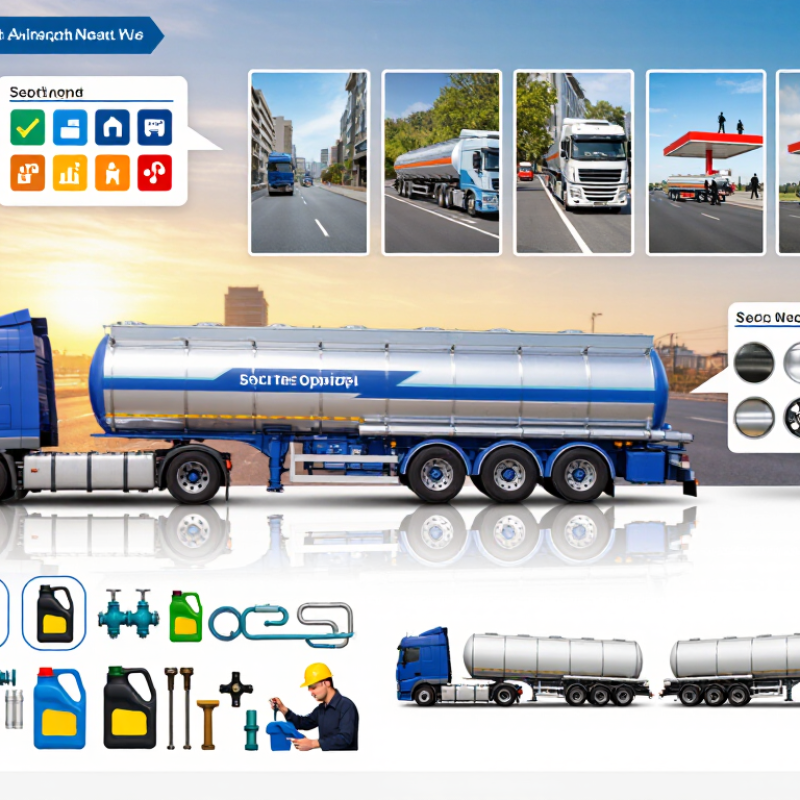
Define Your Cargo, Volume, and Operating Requirements
Start with the exact liquid, not a generic cargo category. Check its density, viscosity, temperature range, and compatibility with the tank’s lining and fittings. Ask whether the load needs insulation, heating, or controlled unloading pressure. Small details matter. A thick product may drain slowly through narrow piping, while frequent temperature changes can complicate delivery. Specify cleaning needs and how often loads will change. A spreadsheet can still mislead if it ignores washout time.
Estimate typical and peak load sizes, route distance, delivery access, and return-load availability. A nominal 10,000-gallon tank may reach its payload limit before it is full; liquid density and axle configuration affect usable capacity. Use product data and weigh tickets to check assumptions. Do not guess. Operating costs matter, too. ATRI’s 2024 Operational Costs of Trucking report puts average truck operating costs at $2.27 per mile for 2023. That is an all-trucking benchmark, not a tank-specific quote. Compare it with your own fuel, maintenance, cleaning, and downtime records. One point worth revisiting: the largest tank is not automatically the most efficient choice if routes, loading sites, or customer volumes vary.
Match Tank Capacity and Configuration to Your Routes
A tank truck that fits your product may still be a poor match for your routes. Start with the route. Note typical distance, road width, turning space, grades, and unloading access. A narrow site with a sharp entrance may favor a shorter chassis over a larger tank.
Compare rated tank capacity with the payload the vehicle can safely and legally carry. Liquid weight can limit usable volume, and partially filled tanks may shift the vehicle’s handling. Tank compartments can help when deliveries require different quantities or destinations, but they add plumbing and cleaning considerations. More capacity is not always better.
Match the tank and chassis to the way you load and unload. Check hose reach, pump requirements, outlet position, and clearance beneath bridges or warehouse canopies. On hilly routes, ask a qualified vehicle specialist to review weight distribution and braking needs. A route spreadsheet helps, but it can miss a cramped customer driveway or a seasonal road restriction. Walk the difficult stops if possible, and measure the tightest turn before choosing a configuration.
Choose Suitable Tank Materials and Compartment Design
Tank material should match the product’s chemistry, temperature, and cleaning routine. Stainless steel resists many forms of corrosion and is often chosen for demanding hygiene needs, but grade and finish still matter. Carbon steel can suit less corrosive cargoes when a compatible lining is specified and maintained. Aluminum offers lower vehicle weight, though its suitability depends on the cargo and operating conditions. Confirm compatibility with a qualified tank engineer and the cargo supplier.
Small details matter. Check weld quality, internal coatings, seals, and access points. A lining that looks sound at delivery may wear around valves after repeated loading and washing. A material choice can seem obvious on paper, then disappoint in service. Ask how inspections and repairs will be handled.
Compartment design should reflect typical delivery routes, not just the largest possible load. Several smaller compartments can serve customers receiving different quantities, while reducing unnecessary product transfers. Each compartment adds structure, weight, and cleaning work. Plan capacities around route demand, and confirm that filled and partly filled tanks remain within vehicle weight limits. Baffles help control liquid movement, but they do not remove the need for careful handling. Leave room for realistic operating conditions; forecasts are often imperfect.
Assess Safety Systems and Regulatory Requirements
A tank truck’s safety package should match its load, route, and operating conditions. A liquid surge can shift weight suddenly, especially during braking or a turn. Check whether the tank’s compartment layout and surge-control design suit your typical fill levels. Inspect braking systems, tire condition, rollover-related stability features, pressure-relief devices, and emergency shutoffs. Test them, too. A feature listed on a specification sheet is not proof it works.
NHTSA’s Traffic Safety Facts: Large Trucks 2022 recorded 5,936 deaths in crashes involving large trucks. That figure is not tank-truck-specific, but it shows why safety checks deserve close attention. That deserves a second look.
For U.S. operations, verify applicable requirements under 49 CFR Parts 178 and 180, including tank design, inspection, and testing rules; requirements vary by tank type and cargo. Ask for current inspection records and confirm that fittings, valves, and placards match the intended service. Local rules may add requirements. I would not treat a clean exterior as reassuring evidence; corrosion can hide around supports and fittings. Have a qualified inspector review those areas before purchase, and confirm that the maintenance schedule is realistic for your routes and wash routines.
Compare Maintenance Needs and Total Ownership Costs
A tank truck’s purchase price is only the visible part of its cost. Maintenance depends on the cargo, tank material, pump system, and daily route. A truck making frequent short stops may wear its brakes and pump faster than one traveling steady highway miles. Check service records for corrosion, valve leaks, hose wear, and recurring repairs. Small leaks matter.
Compare the maintenance schedule with your actual workload. Ask how often filters, seals, tires, and pumping equipment need attention, and whether local shops can service them. A specialized setup can mean longer waits for parts. That adds up. I would also budget for cleaning, inspections, and downtime, not just routine repairs. Those estimates can be imperfect, so use real service invoices when available.
Total ownership cost includes fuel, insurance, registration, financing, labor, repairs, and eventual resale value. Estimate costs over several years, then divide by expected working hours or deliveries. A cheaper truck may cost more if it spends days in the shop. For example, one extra day of downtime each month can disrupt schedules and require backup capacity. Compare two or three realistic usage scenarios, including a slower month. The spreadsheet may look precise, but its assumptions deserve a second look.





