2026 How to Choose the Right Static Melting Crystallizer?
Choosing the right Static Melting Crystallizer is crucial for various industries. This equipment plays a significant role in the production of high-quality crystalline products. According to a recent market analysis by Grand View Research, the global crystallization equipment market is expected to reach $5 billion by 2026. This growth indicates the importance of selecting the right crystallizer to ensure efficiency and product quality.
Static Melting Crystallizers are designed to optimize the crystallization process. They can enhance purity and yield while reducing energy consumption. However, not all static crystallizers are the same. Variability in design, material, and application can affect performance. Understanding these factors is essential for achieving desired outcomes.
Industry experts emphasize that a one-size-fits-all approach does not work. The right choice depends on specific needs and product characteristics. Consideration must be given to operational conditions and scalability. Evaluating these aspects thoroughly can prevent costly mistakes and improve overall productivity.
Understanding Static Melting Crystallizers and Their Applications
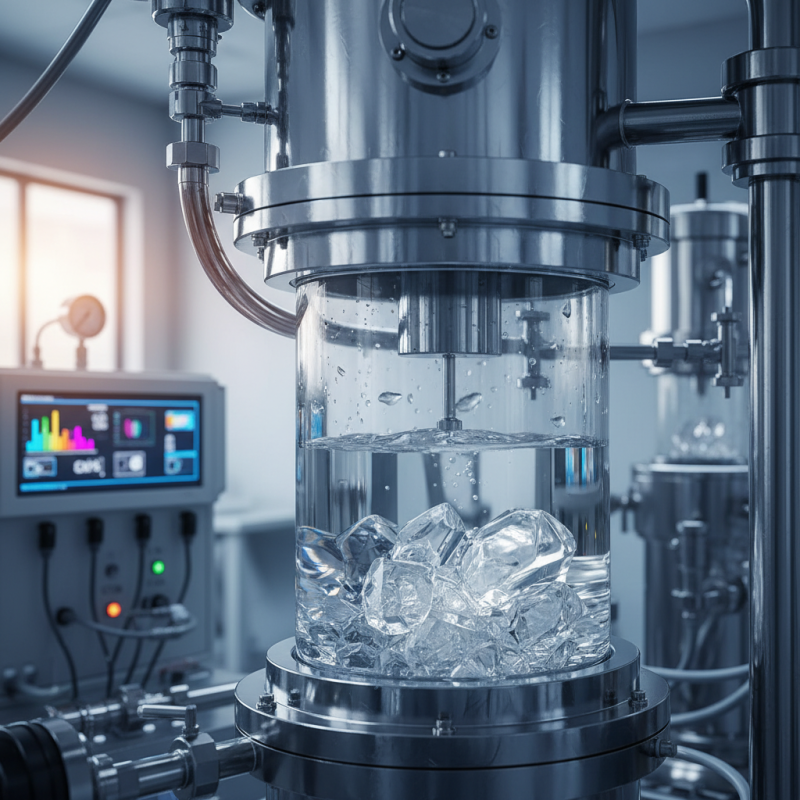
Static melting crystallizers play a crucial role in various industries. Understanding their structure and function is essential for effective application. These devices facilitate the crystallization process, turning liquid solutions into solid forms. The design often includes a temperature-controlled environment to ensure uniform melting.
Applications for static melting crystallizers can vary widely. They are utilized in food production, pharmaceuticals, and materials science. Each sector requires specific configurations. For example, in pharmaceuticals, the purity of the final product is paramount. Ensuring the right temperature and duration is critical for achieving high purity levels.
Selecting the appropriate crystallizer can be challenging. It requires careful consideration of the material properties and desired outcome. For instance, different solvents or solutes may affect the crystallization process. It is vital to test various conditions. Sometimes, the results may not meet initial expectations, prompting a reevaluation of methods. This iterative process is essential for achieving optimal results.
2026 Static Melting Crystallizer Applications
Key Factors to Consider When Choosing a Static Melting Crystallizer
When selecting a static melting crystallizer, several key factors come into play. The material compatibility is vital. Different materials react uniquely under heat and pressure. For example, metals may corrode while certain plastics could deform. Understand your substance’s properties thoroughly. This awareness can prevent accidents.
Another factor is the cooling rate. A slow cooling process results in larger crystals, which may be desirable for some applications. Conversely, rapid cooling can yield smaller crystals. Be aware of your end goals when determining the appropriate cooling rates. Test runs can provide valuable insight into what works best.
Furthermore, maintenance should not be overlooked. Static melting crystallizers can have different cleaning requirements. Some designs allow for easier maintenance, while others may complicate the process. You should consider the operational environment. Contaminants are a common issue in production settings. Finding a crystallizer that simplifies upkeep can save time and resources. Remember, compromising on maintenance can lead to greater challenges later on.
Material Selection for Effective Melting and Crystallization Processes
Choosing the right material for melting and crystallization processes is crucial. The efficiency, purity, and yield largely depend on this selection. For example, a study by the American Institute of Chemical Engineers highlights that using the right crystallizer material can enhance crystallization efficiency by up to 30%.
Metallic materials, especially stainless steel, are widely used due to their corrosion resistance. However, glass materials can offer better visibility during the process. They allow for easier monitoring of crystallization, which can improve results. Materials like Teflon provide chemical resistance but may not withstand high temperatures, limiting their application.
*Tip: Consider the operating temperature when choosing materials. Some materials perform better under specific thermal conditions.*
Using the wrong material can lead to contamination or inefficiency. Studies show that up to 20% of production losses stem from poor material choices. Balancing factors like cost, durability, and thermal properties is essential.
*Tip: Conduct pilot tests to identify the best material for your specific application.*
Evaluating Performance Metrics of Static Melting Crystallizers
When selecting a static melting crystallizer, several performance metrics must be considered to ensure efficiency and product quality. According to industry reports, material recovery rates typically range between 85% to 95%. This high level of efficiency is crucial for minimizing waste and maximizing yield. Evaluating energy consumption is another significant factor. Effective crystallizers often consume less than 3 kWh per ton of output, a benchmark worth aiming for.
The crystallization process requires a precise balance between temperature and cooling rate. Studies suggest that variations can affect crystal morphology, leading to inconsistent product quality. For instance, slower cooling rates often result in larger crystals, which can enhance purity but may require more time. Real-world applications indicate that a slight miscalculation in these parameters can lead to lower yield and increased costs.
Monitoring the scalability of the equipment is equally vital. A crystallizer that performs well on a small scale may not deliver the same results when scaled up. Manufacturers report that discrepancies in performance can reach up to 20% when transitioning from pilot to production scale. Understanding these metrics allows for informed decision-making, ultimately leading to better operational outcomes.
2026 How to Choose the Right Static Melting Crystallizer? - Evaluating Performance Metrics of Static Melting Crystallizers
| Parameter | Value | Unit | Importance |
| Melting Point | 160 | °C | High |
| Cooling Rate | 0.5 | °C/min | Medium |
| Processing Time | 12 | hours | High |
| Yield | 85 | % | High |
| Energy Consumption | 50 | kWh | Medium |
| Maintenance Frequency | 6 | months | Medium |
Common Mistakes to Avoid in Choosing a Static Melting Crystallizer
Choosing the right static melting crystallizer can be challenging. Many people overlook critical factors during their selection process. They may focus solely on price, neglecting the technology behind the equipment. This can lead to inefficient melting processes and poor product quality.
One common mistake is ignoring the role of temperature control. Effective crystallization requires precise temperature management. If the temperature fluctuates, it can affect the purity of the final product. Ensure that the equipment you choose has reliable temperature regulation features.
Tips: Always research the product’s specifications. Look for user reviews or case studies. Engaging with professionals in the field can provide valuable insights. Selecting a crystallizer without proper research can lead to costly operational issues later.
Another pitfall is underestimating the importance of maintenance. Neglecting routine checks can lead to equipment failure. It is essential to understand the maintenance requirements of the crystallizer. This helps to avoid unexpected downtimes and ensures consistent performance.
Tips: Create a maintenance schedule. Document every service performed. This practice aids in keeping the equipment in optimal working condition and extends its lifespan.





