


How to Choose the Right Stand Up Pouch for Your Product?

Choosing the right Stand Up Pouch begins with the product, not the printing design. A pouch holding roasted coffee needs strong aroma protection, while one carrying granola must handle sharp edges and repeated opening. Liquid products demand reliable seals and carefully tested spouts. Small details matter.

Packaging researcher Dr. M. Diana Twede defines packaging as “the science, art, and technology of enclosing and protecting products for distribution, storage, sale, and use.” Her statement gives this decision practical direction. A Stand Up Pouch must protect the contents, survive transport, and communicate value on a crowded shelf. It should also feel comfortable in the customer’s hands.

Think about barrier performance. Aluminum foil, metallized film, and transparent laminates offer different protection against oxygen, moisture, light, and odors. Check the filling temperature, product weight, seal width, zipper strength, and storage conditions. A matte surface may create a premium appearance, but it can show scratches during shipping. A clear window improves visibility, yet it may reduce light protection.

There is no perfect pouch.

I have seen attractive packaging fail because the zipper trapped product residue. I have also seen strong materials make a product unnecessarily expensive. These practical compromises deserve honest testing. Request samples, run drop tests, inspect seals, and simulate warehouse handling before making a final choice. The best Stand Up Pouch balances protection, usability, shelf appeal, sustainability goals, and realistic production costs. This guide explores each factor with those limitations in mind.
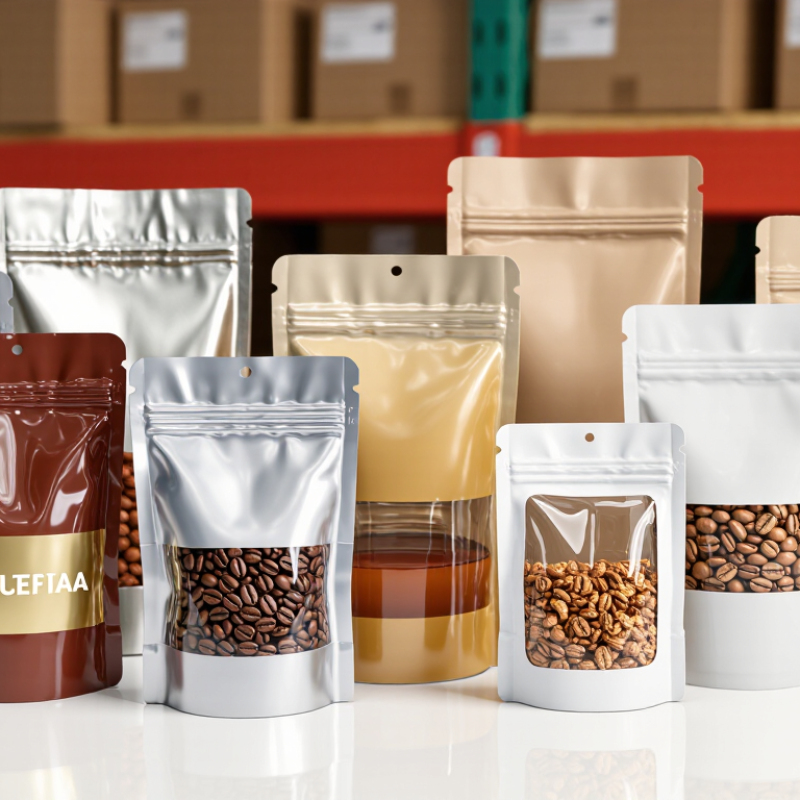
How to Choose the Right Stand Up Pouch for Your Product?

Define Your Product’s Packaging Requirements

Before choosing a stand up pouch, define what your product demands from its package. Identify its weight, texture, moisture level, aroma, and sensitivity to light or oxygen. Powder, sauce, snacks, and pet treats require different barrier properties. A thin pouch may look economical, yet it can fail during transport. Measure the filling volume carefully. Headspace affects sealing and product movement.

Consider the complete handling journey. Will the pouch face heat, freezing temperatures, rough delivery, or long warehouse storage? Choose suitable films, seals, and closures for those conditions. A zipper improves repeated use, while a tear notch supports quick opening. However, opening force matters. Some users may struggle with tight seals. Test the pouch with real users, not only with machines.

A practical packaging trial should include drop tests, seal checks, leak testing, and shelf-life evaluation. Examine the pouch after stacking, squeezing, and exposure to expected temperatures. Packaging requirements should also reflect food-contact rules and recycling guidance in the target market. Keep specifications documented, including dimensions, material structure, seal strength, and filling limits. Small details matter. I have seen teams focus on appearance and overlook label readability or unstable standing. That mistake is easy to prevent, but only when requirements are defined before artwork begins.

How to Choose the Right Stand Up Pouch for Your Product? - Define Your Product’s Packaging Requirements

Product Category Typical Fill Weight Key Packaging Requirement Recommended Pouch Structure Barrier Level Recommended Closure Suggested Pouch Features Important Selection Notes
Dry Snacks and Chips 50–250 g Protection from oxygen, moisture and light; resistance to puncture from sharp product edges Metalized PET / PE or PET / metalized PET / PE High Press-to-close zipper for resealable packs; heat seal for single-use packs Rounded corners, tear notch, optional matte or clear window Use a strong inner seal and adequate headspace to reduce breakage during filling and transportation.
Coffee and Ground Coffee 100–500 g High oxygen and aroma protection; ability to manage carbon dioxide released by freshly roasted coffee PET / aluminum foil / PE or high-barrier PET / PE Very High Heat seal; one-way degassing valve for freshly roasted coffee Degassing valve, tear notch, flat bottom or side gusset option The valve should release carbon dioxide while limiting oxygen entry. Confirm seal integrity after filling.
Powdered Food and Drink Mixes 100–1,000 g Moisture protection, powder containment and reliable sealing around fine particles PET / PE or PET / metalized PET / PE High Press-to-close zipper plus heat seal Wide opening, tear notch, reinforced seal area Fine powder can contaminate the seal zone, so filling equipment and seal cleaning are important.
Pet Food and Treats 100 g–2 kg Puncture resistance, odor retention, moisture protection and convenient repeated opening PET / PE, PET / metalized PET / PE or high-strength PE-based laminate Medium to High Heavy-duty zipper plus heat seal Bottom gusset, carry handle for larger sizes, tear notch Choose a thicker or reinforced laminate when the product contains bones, hard treats or irregular shapes.
Nuts and Dried Fruit 100–500 g Protection from oxygen, moisture and light to help preserve flavor and texture PET / metalized PET / PE or PET / aluminum foil / PE High Press-to-close zipper plus heat seal Transparent window option, tear notch, rounded corners Use a high-barrier film when the product is rich in oils or is sensitive to oxidation.
Fresh and Frozen Produce 150–1,000 g Moisture management, cold-temperature performance and resistance to condensation PE-based flexible film or freezer-grade PET / PE laminate Medium Heat seal; zipper when repeated opening is required Micro-perforation for selected fresh products, tear notch, freezer-resistant seals Perforation must match the product’s respiration needs. Test the pouch after freezing and thawing cycles.
Liquid Sauces and Beverages 100–1,000 ml Leak prevention, seal strength, compatibility with acidic or oily contents and easy dispensing PE-based laminate or PET / PE laminate suitable for liquids Medium to High Spout with screw cap; heat seal for portion packs Corner spout, rounded edges, reinforced fitment area Check chemical compatibility, drop resistance and torque requirements for the cap and spout.
Personal Care Liquids and Gels 50–500 ml Leak resistance, product compatibility, controlled dispensing and attractive shelf presentation PET / PE or PET / EVOH / PE when additional oxygen protection is needed Medium to High Spout with screw cap or fitment Clear window, shaped pouch, dispensing spout, hang hole Test the package with the actual formula because surfactants, oils and solvents may affect seals or film layers.
Detergent and Cleaning Products 250 ml–2 L Chemical resistance, leak prevention, strong seals and safe handling Chemical-resistant PE-based laminate or high-strength PET / PE laminate Medium Spout with screw cap; child-resistant closure where required Handle, reinforced spout area, strong bottom gusset Compatibility testing is essential, particularly for concentrated, alkaline, acidic or solvent-containing formulas.
Pharmaceutical and Nutraceutical Products 10–500 g Moisture, oxygen and light protection; tamper evidence and controlled opening High-barrier PET / aluminum foil / PE or PET / metalized PET / PE High to Very High Heat seal with tamper-evident feature; zipper for suitable dry products Tear notch, child-resistant or senior-friendly option, clear labeling area Packaging materials and production controls should comply with the applicable food, supplement or pharmaceutical regulations.
Non-Food Granules and Small Hardware 100 g–2 kg Abrasion resistance, puncture resistance and secure containment High-strength PET / PE or nylon / PE laminate Low to Medium Heat seal; zipper for reusable access Thicker film, reinforced bottom gusset, carry handle for larger packs Consider thicker sealing layers and drop testing when the contents are dense, sharp or heavy.

Compare Stand Up Pouch Materials and Barrier Properties

Choosing the right stand up pouch starts with the product’s sensitivity, not its appearance. A dry snack may need moisture protection, while roasted coffee also requires oxygen and aroma control. Powdered foods can expose weak seals quickly. Barrier is product-specific.

Polyethylene, or PE, provides flexibility and reliable heat sealing. It is often used as the inner contact layer. Polyester offers strength, stiffness, and better print support, while polypropylene can improve clarity and temperature resistance. Metallized film blocks light and provides strong oxygen and moisture resistance. Aluminum foil usually delivers the highest barrier, but it can reduce flexibility and complicate recycling options. Some clear high-barrier films use special polymer layers, such as EVOH, but humidity may reduce their performance.

In practical pouch trials, I check the seal after filling, not only before production. A thick pouch may still fail if the zipper area wrinkles. Test the seal. Small leaks matter. Consider oxygen transmission, water vapor transmission, light exposure, puncture resistance, and seal strength together. A very high barrier is not always better; it may increase cost, stiffness, or material complexity without extending shelf life. Product testing should include storage conditions, filling temperature, transport pressure, and repeated opening. Real handling is often harsher than a laboratory sample. Ask for measured barrier data rather than general claims, and compare results under the same test methods.

Select the Right Pouch Size, Shape, and Capacity

Choosing the right stand up pouch begins with the product’s actual fill level, not its appearance. Measure the product by weight and volume, then leave enough headspace for easy filling and sealing. A pouch packed too tightly may strain the seals. One with excessive space can look underfilled and lose shelf appeal.

Size should also match how customers use the product. A narrow pouch suits controlled pouring, while a wider base offers better stability on shelves.

Granules, powders, and irregular pieces behave differently inside the same pouch. Test the product in several sizes before making a decision. Small samples often reveal problems that drawings miss.

Capacity is more than a printed number. The usable capacity depends on gusset depth, product density, and the space needed above the seal. Shape affects this balance. A flat-bottom style may stand firmly, while a rounded or tapered pouch can feel easier to hold.

In practical evaluations, I check filling speed, seal cleanliness, opening effort, and display stability.

The first choice is rarely perfect. We once preferred a taller pouch, but it tipped after repeated handling. That result changed the size decision. Keep testing under realistic conditions, including transport, storage, and customer use. Even a minor adjustment in width can improve performance.

Choose Closures, Spouts, and Functional Features

How to Choose the Right Stand Up Pouch for Your Product?

Choose Closures, Spouts, and Functional Features

A stand up pouch should match how customers open, pour, store, and reuse it. A press-to-close zipper works well for snacks, coffee, and dry powders. It helps limit moisture after opening. For frequent access, a slider closure can feel easier, especially with cold or oily hands. Test the seal after repeated opening. It may weaken sooner than expected.

Liquid products need a suitable spout and cap. A narrow spout supports controlled pouring for sauces or concentrated drinks. A wider opening suits thicker products, such as smoothies or gels. Check the fitment carefully. A loose cap can cause leaks during transport. I recommend testing filled pouches upright, sideways, and upside down. A simple drop test can reveal weak seals quickly.

Functional details also affect daily use. Tear notches help users open the pouch without scissors. A handle improves carrying, but it must support the filled weight. Rounded corners may reduce sharp edges and improve comfort. Consider a transparent window only when product visibility will not weaken barrier performance. I once chose a convenient feature that made the pouch harder to stack. That mistake showed me that convenience needs testing, not assumptions. Ask the converter for seal-strength data, material specifications, and compatibility testing before approving the final structure.

Evaluate Printing, Sustainability, and Supplier Quality

How to Choose the Right Stand Up Pouch for Your Product?

Printing quality affects how customers judge a pouch before opening it.

Ask for a physical proof, not only a digital image. Check color consistency, fine text, barcode clarity, and ink adhesion. Rub the printed surface lightly after filling. Scuffing can appear during transport. Short tests reveal useful problems.

Sustainability needs practical evaluation.

A thinner pouch may reduce material use, but weak seals can create more waste. Consider mono-material structures when local recycling systems accept them. Ask for clear material specifications and supporting test documents. Recycled content may sound attractive, yet it must suit the product and filling process. The best option depends on performance, recovery access, and actual use.

Supplier quality is harder to judge from a website.

Request production samples from different batches. Examine seal width, zipper alignment, pouch dimensions, and odor. Ask how the supplier controls raw materials, printing, sealing temperature, and final inspection. Useful records include seal-strength results, migration testing where relevant, and batch traceability.

I once trusted a perfect sample too quickly. Later, small dimensional differences affected filling speed. That mistake changed my review process. Visit the facility if possible, or arrange an independent inspection. Reliable suppliers welcome specific questions, even uncomfortable ones.

Article Source:

Powder Coat Booths

For those larger-sized parts, or smaller quantity runs, we have 2 independent powder coat booths and ovens. The quality, durability and affordability of today’s powder coating finishes make this the process of choice for world-class companies.

Powder coating advantages over other forms of coating are many. Materials used in the Powder coating process can be metals and non-metals that come in a multitude of thicknesses, textures, colors, etc. Another of Powder coating’s biggest advantages over conventional coatings is its ability to create finishes in many different textures. Powder Coating Booths allow us the ability to apply these advantages to large products.

Wet Paint Line

Tri-State Fabricators runs a full-service conveyor line for painting. Wet painting can provide protection or decoration to many different part styles. From start to finish, every project is easier to undergo random and point-based inspection by our skilled painting team.

Advantages to our Wet Paint Line are these lines start with product prep and ends with a thorough inspection of a high quality finished product. Our ability to complete large and small projects with a superior finish and doing so in a timely and economical fashion. This passes along the savings in production to our customers. When powder coating ins not an option, our Wet Paint Line gets the job done right the first time.

Wet Paint Booths

When the parts get big and heavy we roll-out our custom paint racks and oversize booth. By utilizing our partnerships with all the major paint brands, we can match virtually any color with wet paint.

The advantages of having access to a Wet Paint Booth are many. Large projects of many different shapes can be loaded into the booth. The Wet Paint Booth offers an environment that is much more controlled than a typical parts painting operation.

Not only are they used because of their controlled environment, but they’re are also advantageous when it comes to applying paint to parts that are needed in industries that require specialty coatings such as medical, aerospace, etc.

Military CARC

Our military forces have some very high standards when it comes to the finish of their vehicles and equipment. From the first pre-treatment step to final coat, it takes a great deal of knowledge and experience to protect the men and women of our armed forces. They deserve only the best, and Tri-State Fabricators provides it.

All of our processes are closely monitored by our staff and management teams. Both of which are highly trained in the processes of metal fabrication and finishing. Tri-State Fabricators’ goal is to always fully satisfy each and every customer, including the military. We will always put a 110% into what we do.

Glass-Bead Blasting

Abrasive media blasting is an excellent way to remove old paint, rust, and increase the paint/powder adhesion. Glass beads produce a much smoother and brighter finish than angular abrasives; leaving the part clean yet without any dimensional change. Chemically inert and environmentally friendly, we can recycle our beads approximately 30 times; making them a more preferred method of metal cleaning or surface finishing.

Advantages to Glass Bead Blasting are many. Glass bead blast media is used when a project is needing rough surfaces need to become smooth for applications of coatings such as paint. It is typically used to clean paint and rust from a product surface without deforming the surface it is being used on. Overall, compared to many other blasting media, Glass Bead Blasting is a very economical choice and those savings are always passed on to our customers.

Part Washing

Tri-State Fabricators utilize a zinc phosphate wash to clean and etch the material to ensure the best paint adhesion possible. The unique design of our 3-stage wash system does the work like a 5-stage. From Cleaning and rinsing to conversion coating and post-treatment, Our Part Washing process is a complete service and works throughout the fabrication service and the finishing service.

Along with the previously mentioned benefits, Curing is a vital chemical reaction that leaves the product finish hard and relatively safe from mild abrasion and aggressive corrosion. This process can be done in more than one way; ambient air-dry or in curing ovens at temps that exceed 240°.

Burn-Off Oven

From fixing paint mistakes (someone else’s of course) to simply cleaning our paint line hooks, our burn-off oven is put to good use. After a quick burn-off, a little clean up, and a fresh coat of paint, your parts will look better than new.

Why does our Burn-Off Oven work so well? Because super heating the air around parts turns the materials into ashes. From paint and powder coatings to rubber and machining oils, high temps do the job without degrading the integrity of the part.

Masking

Masking is a vital part of producing high quality products. We have die-cut masking patterns to protect machined surfaces as well as a wide range of plugs and caps to protect threaded holes and bolts. We provide permanent and temporary masking.

Masking allows the selected sections of a product to be protected from a fabrication or finishing service. This can be with both chemicals when etching and tapes, paints when only finishing just a section of the product. Masking is great in aiding the customization process of a project.

Screen Printing

Screen printing is a photographic process that transfers artwork onto a porous nylon screen which allows colored ink to flow through the screen and be deposited on an aluminum or plastic component. We can generally have just about any design created onto a screen for your parts.

Some of the advantages of Screen Printing are, brand recognition for your business displaying on your products, assembly instructions, product warnings/hazards, etc. Tri-State Fabricators produces Screen Printing of the highest quality so you know it’s durable.

Metal Finishing

Metal Finishing is the art of treating the exterior portion of product, often metal but can also be made of other materials, so that the surface is clean and free of any debris. Then the process of applying coats or either paint of powder coat takes place. This coating process improves the quality of the product in both appearance and resistance to wear and corrosion.

Tri-State Fabricators, Inc., understands that a project typically isn’t complete until a high-quality finish has been added to your product. This is why our painting and powder coating teams continuously inspect the products throughout the Metal Finishing process.


