How to Choose a Combined Harvester?
Choosing a Combined Harvester is a practical decision, not simply a search for the largest machine. Field conditions, crop types, acreage, and available labor should guide the selection. A powerful engine cannot compensate for a poorly matched header.
John Deere, an early agricultural machinery pioneer, is often credited with saying, “I will never put my name on a machine that does not have in it the best that is in me.” His words still matter when evaluating modern harvesting equipment. Look closely at the threshing system, cleaning capacity, grain tank size, unloading speed, and fuel consumption. These details become real during a long day in dusty fields.
Walk around the machine before trusting its brochure.
Check access panels, belts, bearings, sensors, and service points. Ask local operators how the machine performs in wet mornings, lodged crops, and uneven ground. A dealer’s response time may matter more than a small difference in horsepower. Consider whether the cab offers clear visibility, comfortable controls, and useful monitoring technology. Operators make fewer costly mistakes when fatigue is reduced.
Manufacturers often publish impressive capacity figures. Treat them carefully. Actual output changes with crop moisture, field shape, straw volume, and operator skill. I have seen an apparently suitable machine struggle because its header was too wide for narrow fields. That is an uncomfortable lesson, but an important one.
The best Combined Harvester balances performance, reliability, maintenance access, and total ownership cost. Choose evidence over excitement. A field test is worth more than a polished advertisement.
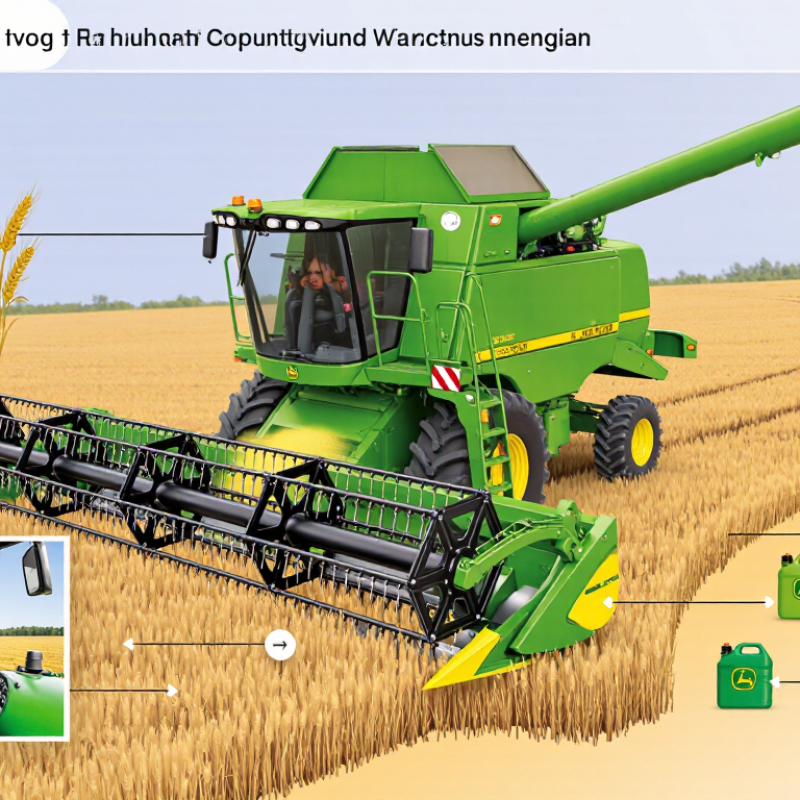
Understanding Combine Harvester Functions and Main Components
How to Choose a Combined Harvester?
Understanding Combine Harvester Functions and Main Components
A combine harvester performs cutting, feeding, threshing, separating, and cleaning in one field operation. Its header cuts standing crops, while the feeder house moves material into the threshing system. The concave and cylinder release grain from the ears or pods. Straw walkers or a rotary separator then remove remaining grain. Finally, sieves and an airflow fan clean the sample before unloading.
Match the machine to your crop, field size, and harvest conditions. USDA NASS reported 47.5 million planted wheat acres in its 2024 Prospective Plantings report, showing why grain capacity remains important in large-scale production. Check engine power, header width, grain-tank capacity, unloading speed, and loss-monitor accuracy. ASABE field-capacity guidance also links productivity with operating width, speed, and field efficiency. Bigger is not always better. A wide header may increase output, but wet soil, narrow gates, or fragmented fields can reduce its value.
Tips: Inspect the concave, sieves, augers, belts, and bearings before purchase. Ask for measured grain loss, not only brochure capacity. Review fuel use per harvested acre under similar conditions. The FAO’s 2019 food-loss report estimated 14% of food is lost between harvest and retail, although farm-level causes differ widely. That figure deserves caution, but it reinforces careful harvesting. I would also test the machine in your own crop. Paper specifications can disappoint.
Comparing Harvester Capacity, Power, Efficiency, and Grain Quality
How to Choose a Combined Harvester?
Choosing a combined harvester starts with capacity, but capacity alone can mislead. A large grain tank reduces unloading stops during long harvesting days. However, it may increase soil compaction on wet fields. Match tank size with field area, trailer access, and daily harvesting targets. Power also deserves careful attention. More horsepower supports wider headers and difficult crops, yet it can raise fuel consumption and maintenance costs. A practical choice should handle peak conditions, not just average weather.
Efficiency depends on more than engine performance. Check fuel use per hectare, unloading speed, turning space, and adjustment time. An efficient machine keeps moving when crop flow changes. Grain quality is equally important. Excessive rotor speed can crack kernels, while low speed may leave grain in the straw. Clean samples, low losses, and gentle handling show better performance. Still, settings require regular checking. I once assumed factory settings were enough, but crop moisture changed the results within one afternoon.
Tips: Compare capacity with your actual field size. Test power under heavy crop conditions. Ask for verified fuel and loss measurements. Inspect sample grain from the tank, not only promotional demonstrations. Keep a simple harvest record for fuel, losses, moisture, and repair time. Small details reveal the real cost. Do not ignore operator comfort. Fatigue can cause poor adjustments and avoidable grain damage. A slightly smaller machine may perform better when it matches your land, labor, and crop conditions.
Evaluating Operating Costs, Maintenance Needs, and Available Features
How to Choose a Combined Harvester?
Operating cost should be measured beyond the purchase price. Estimate fuel use across your actual crops, field sizes, soil conditions, and harvesting hours. A machine that saves time may still consume more fuel during heavy loads. Request verified fuel records from comparable operations, not only brochure figures. Small differences matter over a full season.
Maintenance needs deserve close attention. Inspect service access around filters, belts, cutting components, and grain-handling parts. Ask how often each part requires adjustment or replacement. Check whether local technicians can provide support and whether critical parts are normally available. Downtime during a narrow harvest window can cost more than routine servicing. Keep a written maintenance schedule.
Features should solve specific field problems. Adjustable settings can improve grain quality, while accurate monitoring systems may reduce losses. Automatic functions are useful, but they can add repair costs and require operator training. Test the controls in dusty conditions, if possible. Comfortable operation matters during long shifts. It is easy to overvalue impressive displays. No checklist is perfect. Review actual field data after the first season and question assumptions that seemed obvious before purchase. A careful comparison should include resale expectations, operator skill, storage needs, and the cost of changing attachments.
Selecting the Right Harvester Size, Configuration, and Manufacturer Support
How to Choose a Combined Harvester?
Choosing a combined harvester starts with the crop, field conditions, and daily output target. A machine that looks powerful may waste fuel in small fields. Estimate hectares per day using realistic weather and unloading delays. Measure header width against field entrances, transport roads, and storage space. Check grain tank capacity too. A large tank helps, but it can increase soil compaction when fully loaded. That trade-off is easy to overlook.
Configuration should match the crop rather than sales language. Compare rotor or threshing systems, cleaning area, sieve adjustment, and header flexibility. For delicate crops, gentle handling can reduce cracked grain. In dusty conditions, accessible filters and simple service points save time. Ask for actual field data, not only laboratory figures. During a demonstration, inspect grain loss behind the machine and record fuel use per hectare. I once trusted a printed capacity claim and ignored unloading time. That was a costly lesson.
Manufacturer support matters after delivery. Request a written parts-availability policy, technician response targets, operator training, and seasonal inspection options. Confirm who handles software updates and warranty decisions. Speak with local owners about response quality during harvest, when one lost day can damage crop quality. A reliable support network should provide clear maintenance schedules and practical troubleshooting guidance. Still, no service promise replaces careful inspection. Review the contract closely, and leave room for unexpected repair costs.
How to Choose a Combined Harvester?
Selecting the Right Harvester Size, Configuration, and Manufacturer Support
Typical operating ranges by combine harvester class. Larger machines generally provide higher grain throughput and wider headers, but they also require more powerful tractors, larger fields, better transport access, and stronger service support. Actual performance varies with crop, moisture, yield, terrain, and operator settings.





