2026 How to Choose the Right Carbon Graphite Kneader?
Choosing the right Carbon Graphite Kneader is crucial for optimizing production processes. This equipment plays a significant role in various industries, especially in the processing of rubber and plastics. Understanding the specific requirements of your application can save time and reduce costs.
When selecting a Carbon Graphite Kneader, consider factors such as capacity, design, and material compatibility. Each model offers different performance capabilities. It's important to evaluate how these factors align with your operational goals. A proper choice can enhance efficiency and overall product quality.
Also, reflect on the machine's maintenance needs. While some kneaders are low-maintenance, others require regular attention. Weigh your options carefully. Inadequate research can lead to regrettable decisions. Expert recommendations can be invaluable in this process. Prioritize reliability and reputation when evaluating manufacturers.
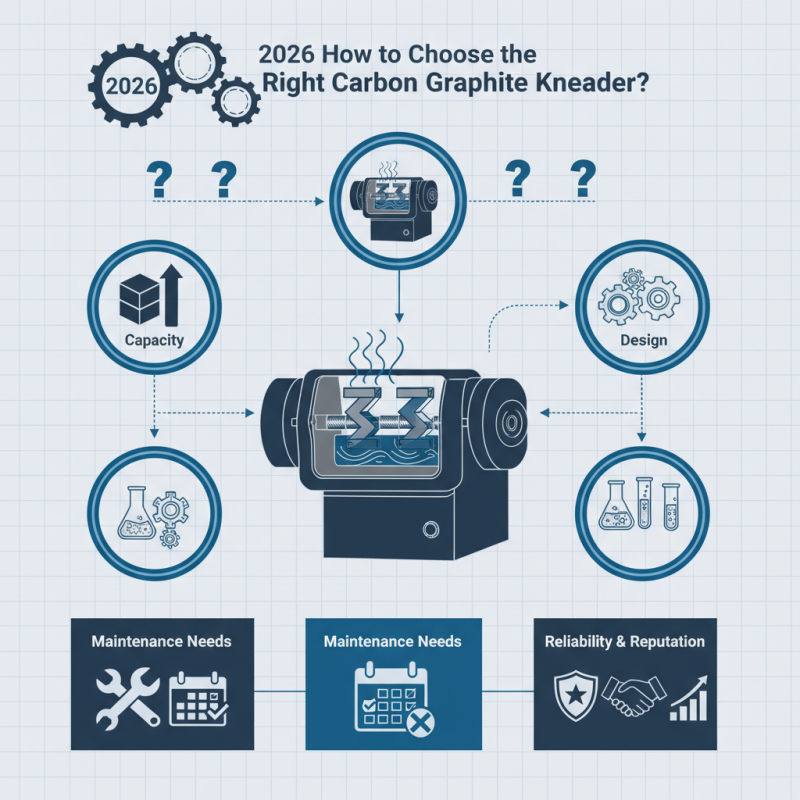
Factors to Consider When Selecting a Carbon Graphite Kneader
When selecting a carbon graphite kneader, several key factors come into play. Your specific material requirements should always be your starting point. Different grades of carbon graphite possess unique properties, which can significantly impact your end product. Think about the desired consistency and viscosity of your mixture. This will guide you towards the right kneader specifications.
Another critical aspect is the size and capacity of the kneader. Ensure it aligns with your production scale. A machine that is too small may lead to inefficiencies. Conversely, an oversized kneader can waste resources. Look at the features that enhance user experience. Ergonomic design and ease of operation often matter more than they seem.
Maintenance is perhaps an overlooked area. Choosing a kneader that is easy to clean can save you time and money in the long run. Reflect on the support and training you might need post-purchase. Reliable documentation and a knowledgeable team are invaluable. Your choice should not only be based on immediate needs but also on future scalability. Balancing these considerations thoughtfully will ensure you make the right decision.
Factors to Consider When Selecting a Carbon Graphite Kneader
Types of Carbon Graphite Kneaders Available in the Market
When selecting a carbon graphite kneader, understanding the types available is crucial. These machines cater to various applications in industries like plastics, rubber, and composite materials. There are typically three main types: batch kneaders, continuous kneaders, and dual-screw kneaders.
Batch kneaders are favored for their ability to handle smaller production runs efficiently. They provide excellent mixing and dispersing characteristics. Continuous kneaders, on the other hand, are preferable for large-scale operations. They keep materials moving smoothly, ensuring consistent output. Dual-screw kneaders combine the benefits of both batch and continuous systems. They excel in mixing complex formulations while allowing for precise control over the process.
When choosing, consider your material properties and processing needs. Each type has distinctive features affecting productivity and quality. The decision should reflect not just current demands, but also future scalability. Pay attention to the machine's flexibility and maintenance needs as well. The right choice can significantly impact production efficiency and product quality.
Key Specifications to Look for in Carbon Graphite Kneaders
When selecting a carbon graphite kneader, it's crucial to focus on the specifications that matter the most. A key specification is the kneader's capacity. Understanding your production needs is essential. Choose a size that aligns with your output requirements, as an oversized model may lead to inefficiencies.
Another important factor is the material composition. Look for models made from durable materials that can withstand high temperatures and chemical compositions. This will enhance longevity and reliability. Additionally, pay attention to the mixing speed and torque settings. These features are vital for ensuring uniformity in blending.
Don't overlook user-friendliness. An intuitive interface can make a significant difference in daily operations. However, navigating the specifications can be overwhelming. Researching and consulting experts can provide valuable insights. It’s easy to get lost in technical jargon. Take time to reflect on your specific needs before making a decision. Finding the right balance is key.
Applications of Carbon Graphite Kneaders in Various Industries
Carbon graphite kneaders find extensive applications across various industries. They are particularly vital in the production of rubber and thermoplastics. A recent industry report noted that the global rubber market is expected to reach approximately $280 billion by 2026. This surge directly correlates to the increased need for efficient mixing equipment, including kneaders.
In the automotive sector, carbon graphite kneaders play a crucial role in crafting high-performance materials. According to a study published by the International Journal of Automotive Technology, the demand for lightweight materials is projected to grow by 5% annually. Kneaders facilitate the uniform distribution of additives in composite materials, enhancing durability and performance. However, choosing the right model can be challenging. Not all kneaders provide optimal results for every application. Misalignment in specifications can lead to inefficiencies.
Chemical processing is another field where these kneaders are indispensable. They ensure precise blending of viscous materials. Industry data indicates that the global market for chemical processing equipment is shifting towards automation, anticipated to grow by 4.5% annually. However, improper selection of kneader types can impact production rates negatively. A thorough understanding of the material properties is essential for maximizing efficiency.
Maintenance Tips for Extending the Life of Carbon Graphite Kneaders
Maintaining the longevity of carbon graphite kneaders is essential in various industries. Proper care can minimize downtime and optimize performance. According to a recent industry report, effective maintenance can extend machinery life by up to 30%. Here are some vital tips to ensure your kneaders remain in top condition.
First, regular lubrication is crucial. High-quality lubricants reduce friction and wear on internal components. Schedule lubrication sessions based on usage. Pay attention to specific points highlighted in your manufacturer's guidelines. This proactive measure helps avoid costly repairs.
Another significant factor is the temperature control. Carbon graphite kneaders operate best within specified temperature ranges. Overheating can warp materials and reduce efficiency. Implement monitoring systems to detect temperature fluctuations. A temperature spike might indicate underlying issues that need addressing.
Keep an eye on wear and tear. Inspect rotating parts regularly for signs of degradation. Small cracks or irregularities can lead to more significant failures if not addressed. Create a habit of documenting these observations. Regular reviews of machinery condition can help you identify patterns and prevent unexpected breakdowns.
2026 How to Choose the Right Carbon Graphite Kneader? - Maintenance Tips for Extending the Life of Carbon Graphite Kneaders
| Feature | Importance | Maintenance Tips |
| Material Quality | High | Regularly inspect for wear and tear. |
| Kneading Efficiency | High | Ensure proper loading and avoid overloading. |
| Operating Temperature | Medium | Monitor and maintain optimal temperature settings. |
| Maintenance Frequency | High | Schedule regular maintenance checks. |
| Lubrication | High | Use appropriate lubricants and check levels frequently. |
| Safety Features | Medium | Review safety protocols and equipment regularly. |





