


Choosing the right Assembly Machine can determine whether a production line feels steady or constantly needs attention. The decision affects output, product quality, worker safety, maintenance time, and long-term operating costs. A machine that looks affordable may consume more labor through frequent adjustments, rejected parts, or difficult cleaning.
Start with the product itself. Examine its size, material, tolerances, connection method, and assembly sequence. A small plastic housing may need gentle feeding, while metal components may require controlled force and precise positioning. Record the target cycle time, expected daily volume, available floor space, and operator skill level. These details turn a general purchase into an engineering decision.
Look beyond the brochure. Ask suppliers for sample runs, cycle-time evidence, changeover procedures, and maintenance records from similar applications. During a factory visit, listen for unusual vibration and inspect cable routing, guarding, sensors, and access panels. Practical experience often reveals issues that specifications hide. No checklist is perfect.
Automation level also deserves careful thought. Fully automated equipment may improve consistency, but it can increase setup complexity and repair costs. Semi-automatic systems may offer better flexibility when products change frequently. Review spare-part availability, training support, software access, and warranty terms before approving the investment. Reliable suppliers explain limitations clearly, not only advantages.
A sound choice balances performance with resilience. It should meet today’s needs while allowing reasonable product changes tomorrow. Still, assumptions can fail. Pilot testing remains essential before committing to a costly Assembly Machine. The best decision comes from measured trials, transparent evidence, and honest reflection on what the production team can maintain every day.
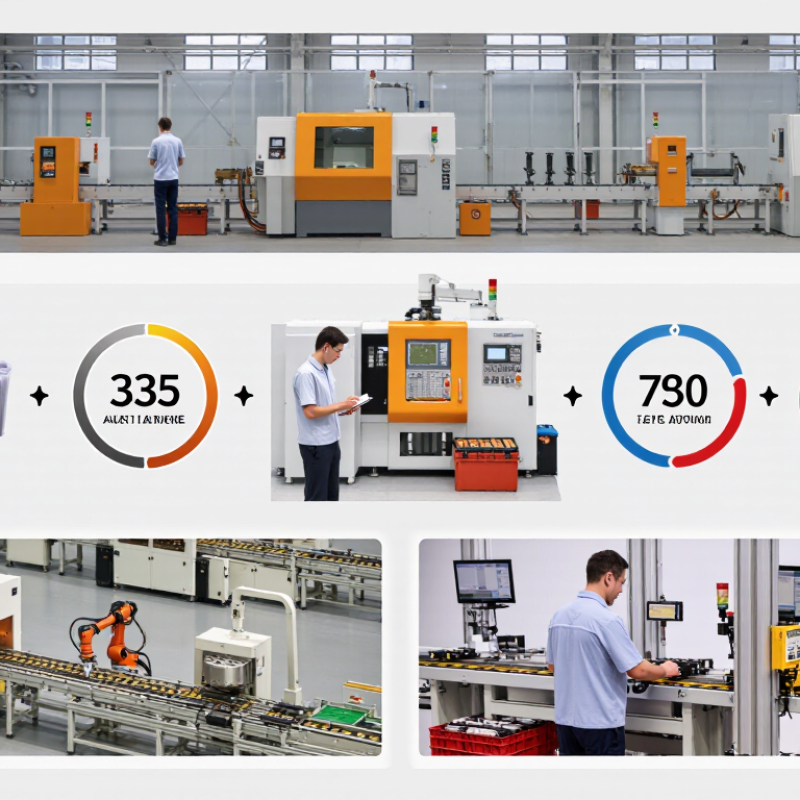
How to Choose the Right Assembly Machine?
Define the product before defining the machine. Record dimensions, materials, tolerances, joining methods, surface sensitivity, and acceptable cosmetic defects. Include every product variant, not only the easiest one. A small clip may require controlled force, guided insertion, or vision verification. The International Federation of Robotics reported 541,302 industrial robots were installed worldwide in 2023. That figure shows automation is expanding, but it does not prove that robotics fits every assembly.
Translate demand into measurable production requirements. Calculate takt time by dividing available operating seconds by required units. For example, 27,000 seconds and 1,800 units create a 15-second takt. Add realistic allowances for loading, inspection, jams, cleaning, and changeovers. A machine that meets the theoretical cycle may fail during a busy shift. It happens. Define uptime, changeover time, operator involvement, traceability, and maintenance access before requesting quotations. PMMI’s 2024 industry research continues to identify labor availability and flexible automation as important manufacturing concerns.
Validate quality requirements with physical samples. Test the hardest tolerance, weakest material, and most difficult product orientation. Specify sensor accuracy, force limits, reject handling, and data records. Experienced engineers also check whether future variants can use the same tooling. This is where planning becomes uncomfortable. A perfect machine for today’s product may become expensive equipment after one design change. Document assumptions, then challenge them with production operators and quality specialists.

How to Choose the Right Assembly Machine?
Compare Assembly Machine Types and Operating Methods
Choosing an assembly machine starts with the product, not the machine catalog. A manual workstation suits low volumes, frequent design changes, and skilled operators. It offers flexibility but depends heavily on human consistency. Semi-automatic equipment adds controlled feeding, pressing, fastening, or inspection. It can improve repeatability without removing operator judgment. Fully automatic systems deliver high output through programmed sequences, sensors, and integrated quality checks. They require higher investment and more stable production conditions.
Operating methods also shape the decision. Linear machines move parts through stations in a straight path. They are easier to access and modify, especially during product development. Rotary indexing machines transfer parts around a circular table. They save floor space and can achieve short cycle times. Robotic cells provide flexible movement and support multiple assembly steps. However, programming, gripper design, and recovery procedures need careful planning. A fast machine is not always the best machine.
In real projects, teams should test actual components before approving a design. Check feeding reliability, alignment, torque control, cycle time, and changeover effort. Small surface variations can disrupt automatic handling. Our first production estimate is often too optimistic. That is normal, but ignoring it is costly. Ask how operators will clear jams and maintain tooling. Review spare parts, training, guarding, and inspection records. The right choice balances output, product variation, labor skill, maintenance access, and future changes. Sometimes a slower semi-automatic line performs better over three years. That detail is easy to miss.
| Machine Type | Operating Method | Typical Throughput | Operator Involvement | Best-Suited Products | Main Advantages | Main Limitations | Typical Investment Level |
|---|---|---|---|---|---|---|---|
| Manual Assembly Workstation | Operators perform part placement, fastening, fitting, inspection, and packaging using hand tools or simple fixtures. | Approximately 10–60 units per hour, depending on product complexity. | High; normally one operator per station. | Low-volume, high-mix products and products requiring frequent design changes. | Low initial cost, maximum flexibility, simple setup, and easy product changes. | Higher labor cost, variable cycle time, and greater dependence on operator skill. | Low |
| Semi-Automatic Assembly Machine | The operator loads components, while the machine performs one or more controlled operations such as pressing, screwing, dispensing, or testing. | Approximately 30–180 units per hour. | Medium; loading and unloading are usually manual. | Medium-volume products with repeatable assembly steps and moderate product variety. | Improved consistency, moderate flexibility, and lower labor requirements than manual assembly. | Still requires operators and may need changeover fixtures for different models. | Low to medium |
| Indexing Dial Assembly Machine | Parts are positioned on a rotating table that indexes between fixed assembly, inspection, and testing stations. | Approximately 120–600 units per hour, depending on the number of stations and process time. | Low to medium; operators may load components or replenish feeders. | Medium- to high-volume products with a stable sequence of assembly operations. | Compact layout, repeatable positioning, and efficient integration of several operations. | Less flexible for major product changes and limited by the slowest station. | Medium to high |
| Rotary Transfer Assembly Machine | A rotary platform continuously or intermittently transfers workpieces through multiple dedicated stations. | Approximately 300–2,000 units per hour for well-established, repeatable processes. | Low; mainly material replenishment, monitoring, and quality checks. | High-volume products with consistent geometry and long production runs. | High output, controlled cycle times, and good repeatability. | High tooling cost, complex changeovers, and limited economic value at low volumes. | High |
| Inline Assembly System | Workpieces move through sequential stations on a conveyor, pallet-transfer system, or linear transport system. | Approximately 200–1,500 units per hour, depending on line balance and process requirements. | Low; operators typically support loading, replenishment, inspection, or exception handling. | Complex products requiring multiple sequential operations, traceability, or integrated testing. | Scalable layout, easy process expansion, and strong integration with testing and data collection. | Requires careful line balancing and can occupy more floor space than a rotary system. | High |
| Robotic Assembly Cell | One or more programmable robots handle, orient, insert, fasten, dispense, or inspect components using sensors and dedicated tooling. | Approximately 60–600 units per hour, depending on robot cycle time, part presentation, and process complexity. | Low during production; skilled personnel are needed for programming, setup, and maintenance. | Products with variable orientations, hazardous tasks, precision requirements, or several product variants. | Flexible automation, reduced ergonomic risk, programmable motion, and consistent quality. | Higher integration complexity and cycle times may be slower than dedicated mechanisms for simple tasks. | Medium to high |
| Modular Flexible Assembly System | Standardized modules are combined for feeding, assembly, inspection, testing, and packaging, allowing future expansion or reconfiguration. | Approximately 50–500 units per hour, depending on the selected modules and product mix. | Low to medium; intervention depends on the level of feeding and handling automation. | Medium-volume products with multiple variants and expected future changes. | Good balance between flexibility, automation, scalability, and maintainability. | May have a higher initial cost than a simple dedicated machine and requires standardized interfaces. | Medium to high |
How to Choose the Right Assembly Machine?
Choosing an assembly machine demands more than comparing catalog numbers. In production, speed matters only when output remains stable across long shifts. Measure completed cycles, not advertised maximums. A machine may reach 60 cycles per minute, yet slow during feeder refills. Precision appears in repeatable placement, torque, and inspection results. Record tolerances from real samples. Small errors become expensive rework.
Tips: Ask operators to test three product variations during a factory trial. Watch the changeover process, not just the running cycle. A practical evaluation should measure setup time, rejected units, cleaning access, and operator adjustments. Request maintenance records and verify how quickly common sensors or tooling can be replaced. These details often reveal more than a polished demonstration.
Automation should reduce repetitive decisions without creating a difficult system. Check whether sensors detect missing parts, incorrect orientation, and incomplete fastening. Confirm that production data can be reviewed by authorized staff in clear reports. Flexibility also matters when products change. Modular fixtures and adjustable software can extend machine life, but excessive options may confuse operators. I have seen fast equipment lose value because training was rushed. No evaluation is perfect. Leave time for a second trial, especially after reviewing the first test’s weak points. Reliability grows from evidence, not promises.
How to Choose the Right Assembly Machine?
Check Compatibility, Maintenance, and Integration Needs
A suitable assembly machine must match your parts, materials, and production tolerances. Begin with samples, not assumptions. Test screws, clips, seals, and delicate surfaces under real operating conditions. Measure cycle time, placement accuracy, reject rates, and changeover effort. A machine may appear efficient during a short demonstration, yet struggle with slight part variation. That lesson is easy to overlook.
Compatibility also includes utilities and factory conditions. Confirm electrical requirements, compressed-air quality, floor space, safety access, and temperature limits. Check whether the machine can exchange data with your production software and inspection systems. Clear communication between controllers prevents manual data entry and hidden delays. Request interface documents before purchase. They often reveal integration work that sales discussions miss.
Maintenance planning deserves equal attention. Ask how technicians reach sensors, feeders, tooling, and wear components. A ten-minute cleaning task can become an expensive shutdown if access is poor. Review lubrication points, spare-part availability, diagnostic alarms, and recommended service intervals. Keep calibration records and train more than one operator. No checklist is perfect. Your team may discover an overlooked failure point after installation, so leave time for adjustment and document every change. A pilot run with representative materials can expose problems before full production begins.
Comparison of common machine types using compatibility, maintenance, and integration criteria.
Scores use a practical 1–5 assessment scale, where 5 indicates stronger suitability for mixed-product assembly, easier maintenance, and simpler integration with existing production systems. The best choice should also consider product variation, required output, available floor space, operator skills, and future automation plans.
Assess Total Cost, Safety, and Supplier Support
A low purchase price can hide expensive operating problems. Include tooling, installation, training, energy, maintenance, spare parts, and planned downtime. I once saw a machine fit the budget but require frequent manual adjustments. Those interruptions reduced output and frustrated operators. The spreadsheet looked convincing. Then reality arrived. Calculate cost per assembled unit across several production years, not only during the purchase month. Test changeover time with real components and realistic production targets.
Safety deserves the same attention as speed. Check fixed guards, interlocked access doors, emergency stops, and safe loading positions. Ask for documented risk assessments and practical verification during factory acceptance testing. Operators should not reach across moving mechanisms or lift heavy fixtures repeatedly. A short demonstration may look impressive, but observe a full shift if possible. Small ergonomic issues often become injury risks or quality problems.
Supplier support can protect the investment after installation. Request clear response times, troubleshooting procedures, spare-parts availability, software support, and on-site training. Confirm who handles calibration, preventive maintenance, and future product changes. Ask to speak with existing users, while checking whether their production conditions match yours. I underestimated integration work on an earlier project, especially sensor setup and operator training. That mistake taught me to define acceptance criteria in writing. A capable supplier should explain limitations honestly, not promise perfect performance.


For those larger-sized parts, or smaller quantity runs, we have 2 independent powder coat booths and ovens. The quality, durability and affordability of today’s powder coating finishes make this the process of choice for world-class companies.
Powder coating advantages over other forms of coating are many. Materials used in the Powder coating process can be metals and non-metals that come in a multitude of thicknesses, textures, colors, etc. Another of Powder coating’s biggest advantages over conventional coatings is its ability to create finishes in many different textures. Powder Coating Booths allow us the ability to apply these advantages to large products.
Tri-State Fabricators runs a full-service conveyor line for painting. Wet painting can provide protection or decoration to many different part styles. From start to finish, every project is easier to undergo random and point-based inspection by our skilled painting team.
Advantages to our Wet Paint Line are these lines start with product prep and ends with a thorough inspection of a high quality finished product. Our ability to complete large and small projects with a superior finish and doing so in a timely and economical fashion. This passes along the savings in production to our customers. When powder coating ins not an option, our Wet Paint Line gets the job done right the first time.
When the parts get big and heavy we roll-out our custom paint racks and oversize booth. By utilizing our partnerships with all the major paint brands, we can match virtually any color with wet paint.
The advantages of having access to a Wet Paint Booth are many. Large projects of many different shapes can be loaded into the booth. The Wet Paint Booth offers an environment that is much more controlled than a typical parts painting operation.
Not only are they used because of their controlled environment, but they’re are also advantageous when it comes to applying paint to parts that are needed in industries that require specialty coatings such as medical, aerospace, etc.
Our military forces have some very high standards when it comes to the finish of their vehicles and equipment. From the first pre-treatment step to final coat, it takes a great deal of knowledge and experience to protect the men and women of our armed forces. They deserve only the best, and Tri-State Fabricators provides it.
All of our processes are closely monitored by our staff and management teams. Both of which are highly trained in the processes of metal fabrication and finishing. Tri-State Fabricators’ goal is to always fully satisfy each and every customer, including the military. We will always put a 110% into what we do.
Abrasive media blasting is an excellent way to remove old paint, rust, and increase the paint/powder adhesion. Glass beads produce a much smoother and brighter finish than angular abrasives; leaving the part clean yet without any dimensional change. Chemically inert and environmentally friendly, we can recycle our beads approximately 30 times; making them a more preferred method of metal cleaning or surface finishing.
Advantages to Glass Bead Blasting are many. Glass bead blast media is used when a project is needing rough surfaces need to become smooth for applications of coatings such as paint. It is typically used to clean paint and rust from a product surface without deforming the surface it is being used on. Overall, compared to many other blasting media, Glass Bead Blasting is a very economical choice and those savings are always passed on to our customers.
Tri-State Fabricators utilize a zinc phosphate wash to clean and etch the material to ensure the best paint adhesion possible. The unique design of our 3-stage wash system does the work like a 5-stage. From Cleaning and rinsing to conversion coating and post-treatment, Our Part Washing process is a complete service and works throughout the fabrication service and the finishing service.
Along with the previously mentioned benefits, Curing is a vital chemical reaction that leaves the product finish hard and relatively safe from mild abrasion and aggressive corrosion. This process can be done in more than one way; ambient air-dry or in curing ovens at temps that exceed 240°.
From fixing paint mistakes (someone else’s of course) to simply cleaning our paint line hooks, our burn-off oven is put to good use. After a quick burn-off, a little clean up, and a fresh coat of paint, your parts will look better than new.
Why does our Burn-Off Oven work so well? Because super heating the air around parts turns the materials into ashes. From paint and powder coatings to rubber and machining oils, high temps do the job without degrading the integrity of the part.
Masking is a vital part of producing high quality products. We have die-cut masking patterns to protect machined surfaces as well as a wide range of plugs and caps to protect threaded holes and bolts. We provide permanent and temporary masking.
Masking allows the selected sections of a product to be protected from a fabrication or finishing service. This can be with both chemicals when etching and tapes, paints when only finishing just a section of the product. Masking is great in aiding the customization process of a project.
Screen printing is a photographic process that transfers artwork onto a porous nylon screen which allows colored ink to flow through the screen and be deposited on an aluminum or plastic component. We can generally have just about any design created onto a screen for your parts.
Some of the advantages of Screen Printing are, brand recognition for your business displaying on your products, assembly instructions, product warnings/hazards, etc. Tri-State Fabricators produces Screen Printing of the highest quality so you know it’s durable.
Metal Finishing is the art of treating the exterior portion of product, often metal but can also be made of other materials, so that the surface is clean and free of any debris. Then the process of applying coats or either paint of powder coat takes place. This coating process improves the quality of the product in both appearance and resistance to wear and corrosion.
Tri-State Fabricators, Inc., understands that a project typically isn’t complete until a high-quality finish has been added to your product. This is why our painting and powder coating teams continuously inspect the products throughout the Metal Finishing process.

