2026 How to Choose the Best Ltcc Process Equipment?
Choosing the right LTCC Process Equipment is crucial for success in many industries, particularly in electronics. A report by ResearchAndMarkets indicates the global LTCC market is set to reach $1.5 billion by 2026. This growth highlights the increasing demand for accurate and reliable manufacturing processes.
Selecting LTCC Process Equipment involves evaluating several key factors. Reliability is paramount. Equipment must consistently produce high-quality products. Additionally, compatibility with existing systems is essential. Poor integration can lead to inefficiencies and increased costs.
Market leaders emphasize the importance of supplier expertise. Companies prefer partners with proven track records. Comprehensive support services also enhance the value of LTCC Process Equipment. Investing in the right equipment can be complex, yet vital for long-term success. Taking time to assess needs and options can yield significant benefits.
Understanding the LTCC Process: An Overview of Its Importance
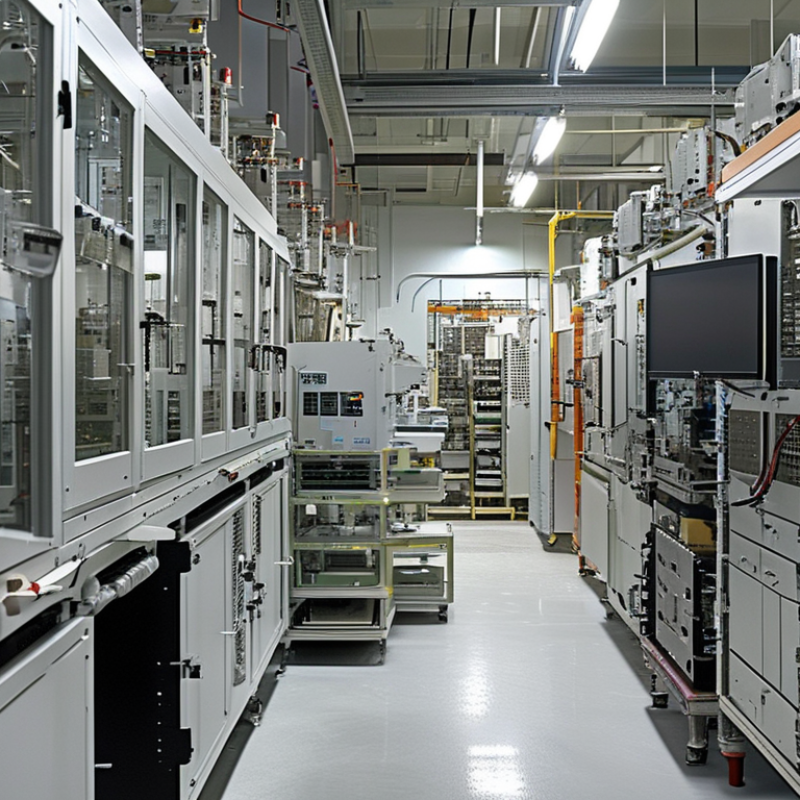
Understanding the LTCC process is essential for engineers and manufacturers. LTCC, or Low-Temperature Co-fired Ceramics, is crucial for developing advanced electronic devices. This technology integrates multiple functions into compact packages, enhancing performance and reducing size. The process allows for intricate designs, combining both passive and active components.
Choosing the right equipment is vital for successful LTCC fabrication. It requires precision and reliability, impacting product quality. For optimal results, consider equipment that offers stability and scalability. Ensure that your team is familiar with the training resources related to this technology.
Tip: Always test new machinery with smaller runs first. This allows you to adjust settings without risking large batches. Additionally, gather feedback from your team regularly. They may notice issues that are easy to overlook. Investing time in these assessments can prevent costly mistakes in larger productions.
Key Factors to Consider When Selecting LTCC Process Equipment
Selecting the right LTCC (Low-Temperature Co-fired Ceramics) process equipment is crucial for achieving optimal production results. Key factors include compatibility, precision, and ease of integration. Compatibility ensures that the equipment aligns with your specific LTCC materials and manufacturing processes. This fit avoids costly adjustments and inefficiencies later.
Precision is another essential factor. High accuracy in layer alignment and thickness can significantly affect performance. Investing in tools that guarantee consistent results is vital. Look for equipment with advanced calibration and real-time monitoring features. These can enhance your workflow and quality control.
When browsing options, don’t forget these tips: Always ask for case studies or user reviews. This helps gauge real-world performance and reliability. Additionally, evaluate the maintenance requirements. Equipment that demands minimal upkeep can save time and money. Reflection is key; assess past equipment choices to identify patterns in performance and reliability. Making informed decisions now leads to better outcomes in the long run.
2026 How to Choose the Best Ltcc Process Equipment? - Key Factors to Consider When Selecting LTCC Process Equipment
| Criteria | Importance Level | Description | Example Values |
| Process Speed | High | The speed at which the LTCC process can be completed. | Up to 200 mm/hr |
| Equipment Cost | Medium | Initial investment required for procuring the equipment. | $50,000 - $300,000 |
| Size and Footprint | Medium | The physical dimensions of the equipment and space required. | 5m x 3m |
| Flexibility | High | Ability to handle various substrates and material types. | Compatible with multiple LTCC materials |
| Maintenance Requirements | Medium | The complexity and frequency of maintenance tasks needed. | Biannual servicing recommended |
| User-Friendliness | High | Ease of operation and setup for staff. | Intuitive interface with training modules |
| Technical Support | High | Availability of assistance and resources post-purchase. | 24/7 support hotline |
Types of LTCC Equipment and Their Specific Applications
When selecting LTCC (Low Temperature Co-fired Ceramics) process equipment, understanding the types available is crucial. Each type serves specific functions that align with various applications in the electronics industry. For instance, a tape cast system is essential for creating uniform layers, which is vital for circuit fabrication. If precision is a priority, consider investing in advanced printing technology. This equipment aids in achieving intricate designs and reducing waste.
Tips: Always verify the specifications of your chosen equipment to ensure it meets your production needs. Regular maintenance can prolong the lifespan of your LTCC machinery. Additionally, act on feedback from operators to identify potential operational issues early.
Firing equipment is another key component in the LTCC process. It ensures that materials are sintered correctly, which influences the overall reliability of your products. Pay attention to the temperature uniformity during firing. Any variance can affect the final product quality. Having a good strategy for equipment calibration can help maintain consistent results.
Evaluating Supplier Reliability and Equipment Performance
When selecting LTCC process equipment, evaluating supplier reliability is crucial. In 2022, studies indicated that 72% of companies reported production delays due to unreliable suppliers. This data underscores the importance of choosing suppliers with strong industry reputations. Analyze their track records, looking for certifications and previous client feedback. Consistency in delivery and performance should be prioritized.
Equipment performance also directly impacts production efficiency. A recent survey revealed that up to 60% of equipment failures could be traced back to poor manufacturing quality. Engaging with suppliers who utilize advanced technologies can enhance reliability. Look for those emphasizing rigorous testing protocols. Check their history regarding equipment maintenance and support services.
Remember, not all suppliers are created equal. Some might promise high performance but lack adequate follow-through. Diversifying your supplier base might help mitigate risks. Keep an open line of communication with potential suppliers to address your unique needs. Understanding your requirements can lead to more informed decisions and successful partnerships.
2026 LTCC Process Equipment Performance Evaluation
This bar chart illustrates the performance evaluation of different LTCC (Low-Temperature Co-fired Ceramic) process equipment based on reliability and efficiency metrics. The data compares four types of equipment across two important dimensions: Reliability Score and Efficiency Score.
Cost Analysis and Budgeting for LTCC Process Equipment
Cost management is crucial when purchasing LTCC process equipment. Companies should consider the total cost of ownership. This includes initial purchase price, installation, and maintenance expenses. According to industry reports, maintenance can account for up to 30% of total costs over the equipment's lifecycle. Understanding these costs can prevent budget overruns.
Budgeting also requires careful planning. A well-structured budget should allocate resources not just for equipment acquisition but also for training staff. Research indicates that inadequate training can lead to inefficiencies, costing companies up to 20% of their productivity. It's essential to assess long-term needs and explore leasing options, which can reduce upfront costs and provide flexibility.
Finally, companies must be cautious. Evaluating vendors based on their service support is important. This can prevent future expenses from unforeseen equipment failures. A detailed cost-benefit analysis will also highlight potential risks. Avoiding impulsive purchases may save money and ensure that the best equipment aligns with long-term strategies.





