How to Choose the Right Electric Stacker?
Choosing the right Electric Stacker starts with the warehouse, not the product brochure. A narrow aisle, uneven floor, or cold-storage room can change the correct specification. The U.S. Occupational Safety and Health Administration (OSHA), under 29 CFR 1910.178, emphasizes operator training, safe travel, load stability, and equipment inspection for powered industrial trucks. These requirements make capacity, visibility, braking, and control design practical buying criteria.
Industry data also signals why this decision matters. MHI’s 2024 Annual Industry Report identifies labor challenges, productivity pressure, and technology investment as major supply-chain concerns. Its findings show that companies increasingly evaluate automation and material-handling technology together, rather than purchasing isolated machines. A well-matched Electric Stacker can support pallet movement in retail backrooms, manufacturing lines, and distribution centers. However, productivity claims need careful testing. A machine rated for 1,500 kilograms may perform poorly if that load sits high, moves frequently, or travels across damaged concrete.
Look beyond lifting capacity. Check battery chemistry, charging time, mast height, turning radius, fork dimensions, service access, and operator visibility. ISO 3691-1 also provides recognized safety requirements for industrial trucks, supporting a more disciplined evaluation. Energy consumption deserves attention, too. A smaller battery may reduce purchase cost, yet create longer charging interruptions during two-shift operations.
No single specification wins every warehouse. That is the uncomfortable part. Real aisle measurements, pallet weights, travel distances, and operator feedback should guide the final choice. A short on-site trial is often more reliable than a polished sales claim.
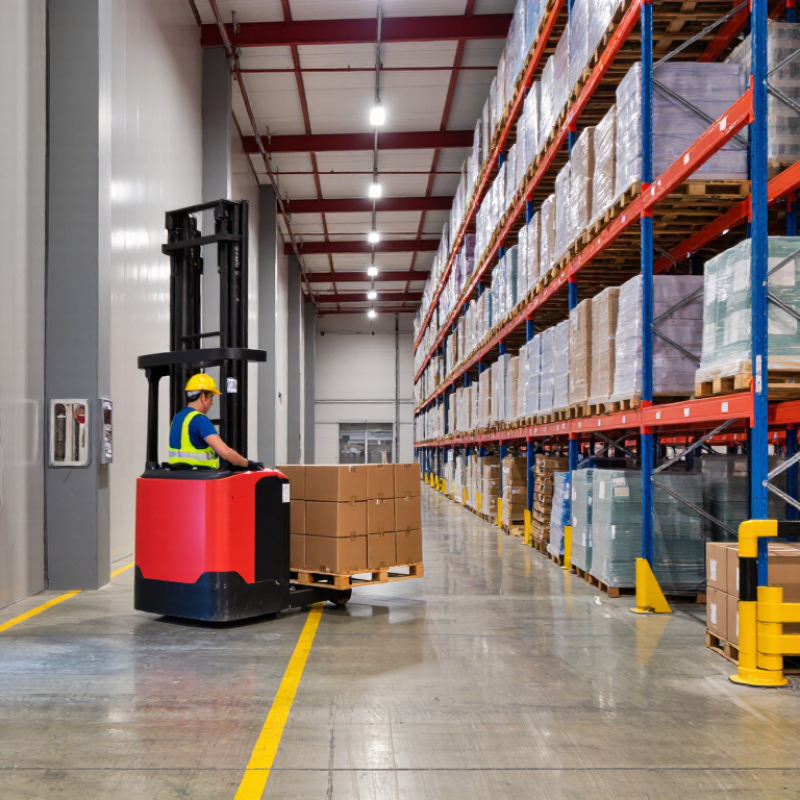
Define the Load, Lift, and Operating Requirements
How to Choose the Right Electric Stacker?
Define the Load, Lift, and Operating Requirements
Choosing an electric stacker starts with the load, not the machine’s advertised capacity. Record the average weight, the heaviest pallet, and how evenly each load is distributed. An unstable load can change the safe working picture quickly. Leave margin. Fork length matters too. Long goods may need wider support, while compact pallets require accurate fork placement. Do not rely on a single warehouse example.
Measure the required lift height at the highest storage position. Then check the collapsed mast height against doorways, racking, and low ceilings. Check the floor. Cracks, slopes, and loose debris can affect stability and braking. Choose controls and visibility that match the operator’s real working position. In busy aisles, a smaller turning radius may matter more than extra lifting height. That trade-off is easy to underestimate.
Battery charging access, shift length, and travel distance define daily usability. A stacker used for short transfers may need different endurance than one serving several storage zones. Measure the route. Noise, operator training, inspection routines, and maintenance support also influence dependable use. Standards and local workplace rules should be verified with qualified safety personnel before purchase. I once focused too heavily on lift height and overlooked aisle congestion. That shortcut created delays, not efficiency. Real operating observations are often more valuable than a neat specification sheet.
How to Choose the Right Electric Stacker?
Define the load, lift, and operating requirements before selecting equipment.
The chart compares typical application profiles. Select a stacker with a rated capacity above the heaviest expected load, enough lift height for the highest storage position, and dimensions suitable for the available aisle width. The capacity figures assume a 500 mm load center and should be verified against the manufacturer's load chart.
Check Capacity, Dimensions, and Workplace Compatibility
Choosing the right electric stacker starts with actual loads, not optimistic estimates. Record the heaviest pallet, load center, lift height, and daily operating hours. Capacity ratings can change as forks rise, especially with extended masts. Leave a practical safety margin. More capacity is not always better. An oversized machine may cost more and reduce aisle space. During site checks, I measure pallets and watch operators turn at corners. Small details matter. Yet measurements can be imperfect, so verify them during a normal shift.
Measure aisle width, door height, rack depth, floor transitions, and charging areas. Compare overall length, width, mast height, and turning radius. A stacker that fits on paper may scrape a doorway when the load is raised. Check floor strength and surface condition. Cracked concrete and wet patches can affect stability and braking. Keep pedestrians separate where possible. Visibility matters too. If the mast blocks the operator’s view, a lower lift or different layout may be safer. This is often overlooked.
Workplace compatibility also includes controls, noise, power, and maintenance access. Select battery capacity around real shift patterns, not advertised runtime alone. Plan charging without blocking exits or walkways. Test controls with gloves if cold storage is involved. In dusty areas, inspect protection ratings and cleaning routines. Ask operators to trial the stacker with typical loads. Their feedback may challenge the original specification. I would rather revise a purchase than discover the mismatch after installation.
How to Choose the Right Electric Stacker? - Check Capacity, Dimensions, and Workplace Compatibility
| Electric Stacker Type | Typical Rated Capacity | Typical Lift Height | Typical Overall Width | Typical Turning Radius | Recommended Aisle Width | Best Workplace Application | Key Selection Considerations |
| Manual Push / Electric Lift Stacker | 500–1,000 kg | 1.6–3.0 m | 0.75–0.90 m | Approximately 1.3–1.6 m | Approximately 2.2–2.6 m | Small warehouses, retail stockrooms, workshops, and occasional pallet handling on level floors. | Suitable when travel distances are short and the operator can manually position the unit. Confirm floor smoothness and maximum pallet weight. |
| Walk-Behind Electric Stacker | 1,000–1,500 kg | 2.5–4.5 m | 0.80–0.95 m | Approximately 1.4–1.8 m | Approximately 2.4–2.8 m | Distribution centers, production areas, and medium-duty warehouses with frequent pallet movement. | A practical general-purpose choice. Check battery capacity, tiller clearance, load-center rating, and the required lift height. |
| Ride-On Platform Stacker | 1,200–2,000 kg | 2.5–5.5 m | 0.90–1.05 m | Approximately 1.6–2.0 m | Approximately 2.6–3.0 m | Large warehouses where operators travel longer distances and require higher productivity. | Provides faster travel and reduced operator fatigue. Allow space for the platform and verify ramp gradients, charging access, and pedestrian controls. |
| Counterbalanced Electric Stacker | 1,500–2,000 kg | 2.5–5.0 m | 1.00–1.20 m | Approximately 1.8–2.3 m | Approximately 2.8–3.4 m | Loading docks, manufacturing plants, and areas where pallets must be picked up close to walls or racks. | Does not require stabilizer legs in front of the load, but it generally needs more operating space. Check counterweight clearance and floor load limits. |
| Straddle-Leg Electric Stacker | 1,000–1,500 kg | 2.5–4.5 m | 0.90–1.10 m | Approximately 1.5–1.9 m | Approximately 2.5–3.0 m | Facilities handling different pallet sizes, open-bottom pallets, or loads that require adjustable support legs. | Adjustable legs improve load flexibility. Confirm the minimum and maximum leg opening, pallet entry dimensions, and compatibility with rack beams. |
| High-Lift Electric Stacker | 1,000–1,500 kg | 4.5–6.0 m | 0.90–1.10 m | Approximately 1.6–2.1 m | Approximately 2.8–3.4 m | High-bay storage, pallet-racking operations, and warehouses that prioritize vertical storage. | Confirm mast height, lowered height, overhead clearance, residual capacity at maximum lift, and rack protection requirements. |
| Stainless or Washdown Electric Stacker | 1,000–1,500 kg | 2.5–4.5 m | 0.85–1.10 m | Approximately 1.5–2.0 m | Approximately 2.6–3.2 m | Food processing, pharmaceutical, cold-storage, and hygiene-sensitive environments. | Specify corrosion-resistant construction and suitable protection ratings. Standard electric stackers may not be appropriate for regular washdown or wet areas. |
Important: The figures above are typical planning ranges rather than guaranteed specifications. Actual capacity, dimensions, turning radius, aisle requirement, and residual lift capacity vary by configuration, mast type, load center, battery, pallet size, and floor conditions. Always verify the manufacturer’s data plate and conduct an on-site compatibility check before purchase.
Review Maintenance, Cost, and Long-Term Value
How to Choose the Right Electric Stacker?
Maintenance should be examined before the purchase price. I once underestimated this cost on a warehouse project. The machine looked affordable, but worn wheels and loose mast rollers caused delays within months. Check the maintenance schedule, service access, battery condition, and spare-part availability. Ask for inspection records, not promises. A clear record suggests disciplined operation and helps reveal repeated faults.
Battery care strongly affects long-term value. Daily charging habits, operating temperature, and storage conditions can shorten battery life. Choose a stacker with readable battery indicators and practical charging controls. A reliable service technician should explain testing procedures in plain language. Also inspect the forks, brakes, steering handle, emergency switch, and lifting chain. Small defects can become expensive downtime. They rarely stay small.
Purchase price is only one part of total cost. Estimate energy use, scheduled servicing, operator training, replacement wheels, and possible rental costs during repairs. My early calculations ignored lost working hours, which made the forecast too optimistic. Compare the expected workload with the machine’s rated capacity and lift height. Overloading may reduce stability and accelerate component wear. A cheaper unit can become costly when used beyond its practical limits. Leave room for uncertainty. Warehouse conditions change. Floors become rough, shifts become longer, and maintenance gets postponed. A stacker that remains serviceable under these pressures usually offers stronger long-term value.





