2026 How to Choose OEM Bronze Brass Investment Casting?
In recent years, the demand for OEM Bronze Brass Investment Casting has surged. This growth is driven by industries such as automotive, aerospace, and plumbing. According to a report by Grand View Research, the global investment casting market is expected to reach $25 billion by 2026. This highlights the importance of selecting the right supplier for OEM components.
Choosing the right foundry for OEM Bronze Brass Investment Casting is critical. Quality varies significantly among suppliers. Some may offer lower prices but compromise on quality. A reliable supplier must have experience and advanced technology. In recent studies, 42% of companies reported issues with casting quality affecting their operations. This shows that careful supplier selection is essential.
Investors often overlook the importance of certifications and quality assurance processes. These factors ensure that your OEM components meet industry standards. Evaluate suppliers based on their track record and customer feedback. Tapping into industry insights and case studies can inform your decision-making. With the right approach, businesses can optimize their investments in OEM Bronze Brass Investment Casting.
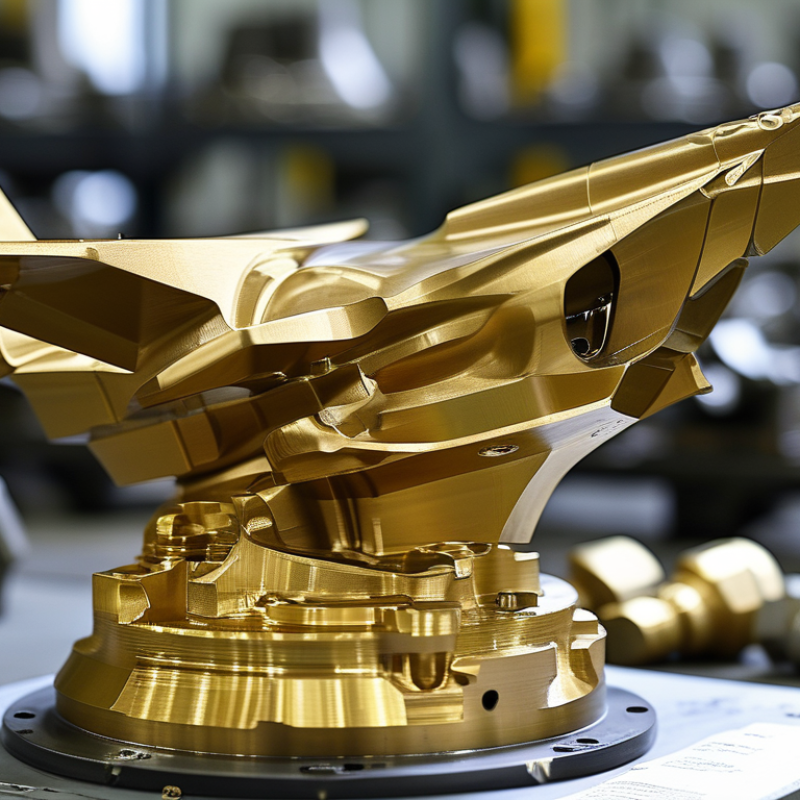
Understanding OEM Bronze Brass Investment Casting: An Overview
OEM bronze brass investment casting plays a crucial role in manufacturing. This process involves creating complex shapes with high precision. According to a recent industry report, the demand for brass components is projected to grow by 4% annually until 2026. This growth highlights the importance of selecting the right casting method and material.
Understanding investment casting is essential. This method excels in producing intricate designs. It is more accurate than many traditional processes. Factors such as melting temperature and alloy composition affect the final product's quality. For instance, the optimal melting temperature for bronze brass is around 1200°C, which ensures a smooth pour and reduces imperfections. However, controlling these variables can be challenging.
Quality assessment brings its own hurdles. The casting's microstructure influences strength and durability. Studies show that improper cooling rates can lead to defects. Achieving the right balance in cooling is necessary for quality assurance. In this evolving field, manufacturers need to adopt newer techniques while learning from past mistakes. Continuous improvement is vital for success.
2026 OEM Bronze Brass Investment Casting: Method Comparison
Key Factors to Consider When Selecting an OEM Supplier
When selecting an OEM supplier for bronze brass investment casting, understanding key factors is essential. Quality assurance is paramount. According to a report by the American Foundry Society, a staggering 70% of manufacturing defects stem from inadequate quality control. Rigorous testing and certifications are crucial. Look for suppliers with ISO 9001 certification, which indicates a commitment to high standards.
Cost is another significant factor. However, it’s important to balance cost with quality. A cheaper supplier may compromise material quality or workmanship. In fact, a survey revealed that 65% of companies experienced increased costs due to poorly made parts. This highlights the need for careful evaluation. Check for reviews and case studies that demonstrate a supplier’s experience in handling similar projects.
Communication plays a vital role in the selection process. Effective communication can often bridge gaps in understanding technical specifications. A recent industry review noted that 45% of project delays were due to miscommunication between clients and suppliers. Monitoring this aspect can prevent unforeseen hurdles. Taking the time to reflect on these factors will lead to a more informed decision-making process in choosing an OEM supplier for bronze brass investment casting.
Evaluating Quality Standards for Bronze Brass Casting Products
When evaluating quality standards for bronze brass casting products, several factors come into play. The material composition is crucial. Bronze brass typically consists of copper and zinc, but variations exist. Understanding the exact alloy used can determine strength and corrosion resistance. Low-quality alloys can lead to premature wear. Always ask for certification on materials.
In addition to material standards, the manufacturing process matters. OEM suppliers should adhere to recognized industry practices. Look for evidence of precision in casting methods. Tests for tensile strength and ductility ensure the product’s durability. A reliable supplier will provide detailed reports on these tests.
Lastly, recognize that not all products will meet your expectations. Some casting may have imperfections, like air pockets or uneven surfaces. Regular checks and clear communication with suppliers can help address these issues. Don't overlook the importance of feedback. Continuous improvement benefits both the manufacturer and the buyer. Investing time in evaluation pays off.
Cost Analysis: Budgeting for OEM Bronze Brass Investment Casting
When budgeting for OEM bronze brass investment casting, it’s crucial to assess various factors. Material costs can fluctuate significantly based on market demand. Bronze and brass alloys have distinct compositions, impacting both quality and price. Crafting a detailed budget requires analysis of these alloy types and their specific applications.
Labor costs also play a key role. Skilled labor is essential for high-quality casting. This can lead to increased expenses but enhances the final product's integrity. Don’t overlook overhead costs either. Equipment maintenance and operational expenses must be included in your budget.
Evaluating supplier quotes provides insight into market standards. An unreasonably low price can signal potential issues with quality or service. Take time to compare these estimates. It’s worth investing in reliable suppliers for lasting partnerships. Cost efficiency should never come at the cost of craftsmanship.
2026 How to Choose OEM Bronze Brass Investment Casting? - Cost Analysis: Budgeting for OEM Bronze Brass Investment Casting
| Parameter | Value | Unit | Remarks |
| Material Cost | 3.00 | USD/kg | Cost of bronze brass material |
| Labor Cost | 10.00 | USD/hour | Average labor rate for casting |
| Production Time | 8 | hours | Time required for a single unit |
| Setup Cost | 1500.00 | USD | Initial setup for production |
| Unit Cost | 50.00 | USD/unit | Total cost to produce one unit |
Assessing Supplier Capabilities and Technical Expertise
When selecting an OEM supplier for bronze and brass investment casting, assessing their technical expertise is crucial. A recent report highlighted that nearly 70% of casting failures stem from poor design and fabrication processes. Therefore, suppliers should exhibit rigorous quality control measures and comprehensive technical capabilities. Look for suppliers with a proven history of delivering complex geometries, as a deeper understanding of casting intricacies can significantly reduce production defects.
Evaluating a supplier's experience can be pivotal. Suppliers with 10 or more years in the industry often possess advanced skills. Reports suggest these experienced suppliers are 50% more effective in meeting precise tolerances and surface finishes. Examine their past projects. A robust portfolio with diverse applications typically reflects their versatility and adaptability. However, even seasoned suppliers can have shortcomings. Continuous innovation can sometimes lead to overlooked quality standards. Regular audits and clear communication channels can help mitigate these risks.
Ensure that potential suppliers are transparent about their processes. Benchmarking against industry standards and certifications can reveal the reliability of their operations. A report from the Metal Casting Society indicated that only 45% of suppliers comply with international casting standards consistently. Transparency in their capabilities and adherence to these standards can enhance trust and collaboration. Investing time in this evaluation can prevent future disruptions in your production line.





