2026 How to Choose the Best Pendulum Fertilizer Spreader?
Choosing the right Pendulum Fertilizer Spreader is essential for effective lawn care. A good spreader can enhance your landscaping, save time, and reduce waste. With numerous options available, making the right choice can seem overwhelming.
Consider the size of your yard. A larger yard may require a more robust model, while smaller gardens can benefit from compact designs. Pay attention to the spread pattern as well. Some spreaders offer uniform distribution, while others may leave gaps. This choice can impact your results significantly.
You must also evaluate the build quality. Reliable materials ensure durability. Investing in a trusted brand adds to your peace of mind. Mistakes in this selection can cost you, both in money and effort. Reflecting on your specific needs can guide you toward the best Pendulum Fertilizer Spreader for your garden.
Understanding Pendulum Fertilizer Spreaders: Key Features to Consider
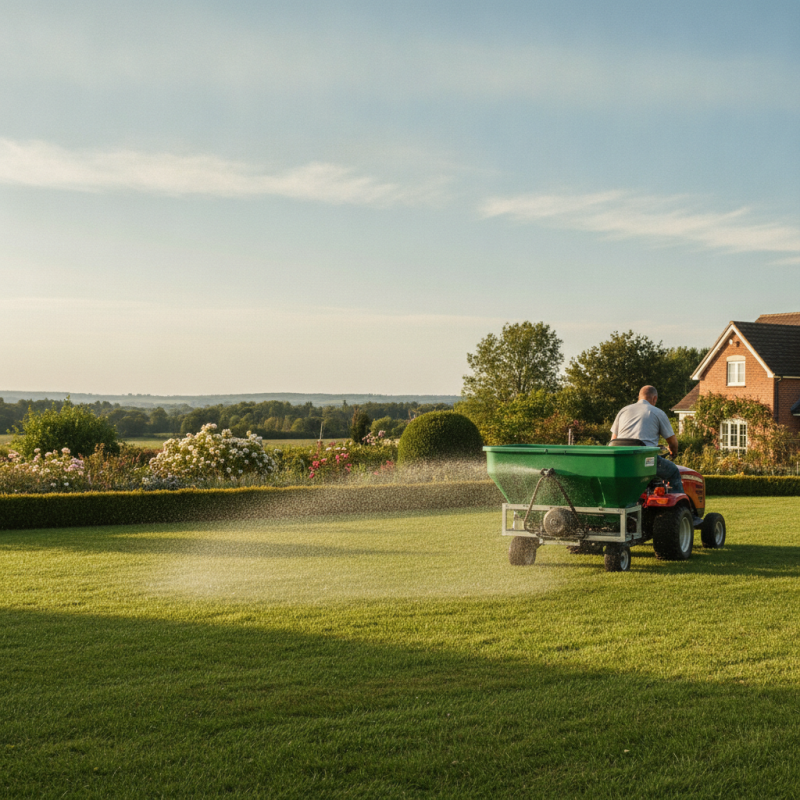
When choosing a pendulum fertilizer spreader, understanding its key features is crucial. These devices are designed for efficient distribution of granulated materials. One important aspect is the hopper size. A larger hopper can hold more fertilizer, reducing the need for frequent refilling. Industry data suggests that utilizing a spreader with a 100-pound capacity can cover up to 25,000 square feet in a single go. This efficiency can be vital for large lawns or agricultural fields.
Another notable feature is the spreading mechanism. Pendulum spreaders use a swinging arm to facilitate even distribution. This pendulum action allows for a consistent spread pattern. Research indicates that spreaders with a 15-foot diameter have an optimal performance, ensuring minimal overlap and preventing uneven application. Optimal spreading helps maintain soil health and promotes plant growth. Proper calibration is essential. An improperly calibrated spreader can lead to wasted fertilizer or nutrient runoff, impacting the environment negatively.
Durability and material quality also play significant roles. Essential components should withstand outdoor conditions. Look for spreaders constructed from rust-resistant materials. A well-built spreader might save money in the long run, even with fluctuating market prices for fertilizers. Investing in a reliable spreader could ensure consistent and efficient fertilizer application, contributing to better crop yields and vibrant greenery.
Evaluating Spread Patterns: Importance of Accurate Application Rates
Choosing the right pendulum fertilizer spreader involves understanding spread patterns and application rates. Accurate application is vital to promote healthy plant growth. According to the USDA, only 30% of fertilizer applied matches crop needs in many farms. This inefficiency can result in nutrient runoff, harming local ecosystems.
Spread patterns can vary significantly among different spreaders. A recent study found that improper calibration can lead to over-application by up to 50%. This not only wastes resources but can also contribute to soil degradation. The ideal spreader should provide even coverage at specified rates. Accurate calibration is essential to avoid these pitfalls.
Farmers should invest time in testing their spreaders. Evaluating the application rate with a test area can highlight discrepancies. If a spreader underperforms, it is important to reassess its settings. Understanding these factors can significantly improve nutrient management strategies. The goal is precise application for a sustainable future.
Material Types: Choosing Quality Construction for Durability and Efficiency
Selecting the right material type for a pendulum fertilizer spreader is critical. The quality of construction directly impacts both durability and efficiency. For instance, spreaders made from high-density polyethylene (HDPE) resist corrosion and UV damage. According to a 2022 report from the Agricultural Equipment Association, HDPE spreaders last over 20% longer than traditional materials. This longevity can translate to fewer replacements and reduced costs over time.
Metal spreaders, particularly those with a powder-coated finish, can offer excellent strength. Yet, they may be more susceptible to rust if not properly maintained. Regular cleaning and application of rust inhibitor can extend their life. A survey conducted by the Crop Care Institute indicated that about 30% of users reported issues with metal degradation over time.
Balancing between cost and quality can be challenging. Cheaper options may lead to more frequent repairs or replacements, impacting long-term efficiency and productivity. Users need to weigh these factors carefully. Consideration of usage frequency and type of fertilizer is essential. Investigating local environments, such as humidity and temperature variations, is also crucial in selecting the right material.
Calibration Techniques: Ensuring Optimal Performance and Fertilizer Use
Calibration is essential for optimizing the performance of a pendulum fertilizer spreader. Proper calibration ensures that the correct amount of fertilizer is applied, which influences both crop growth and environmental health. When calibrating, first determine the area of the field. This information helps in calculating the required fertilizer quantity accurately.
To calibrate effectively, start by selecting a test area. Measure the width of spread to ensure even distribution. Remember, uneven application can lead to over-fertilization in some areas and under-fertilization in others. After determining the spreader settings, conduct a test run. Keep an eye on the output and adjust as necessary to meet the desired rate.
Each spreader model may require different calibration techniques. It’s vital to consult the user manual for specific instructions. It may take a few attempts to get it right. Don’t be discouraged by initial mistakes. Each calibration trial provides valuable experience leading to improved efficiency. Regular recalibration throughout the season is also advisable, as changing weather conditions can affect application rates.
User Preferences: How Size and Weight Impact User Experience and Efficiency
When selecting a pendulum fertilizer spreader, size and weight play pivotal roles in user experience. A lightweight model can be easier to maneuver. It reduces strain during long hours of use. However, lightweight spreaders may not hold as much fertilizer. Users might need to refill frequently, which can disrupt workflow.
Conversely, larger spreaders can hold more product, fostering efficiency in bigger lawns or gardens. The challenge lies in their weight, making them cumbersome. Users may struggle with control over rough terrain. A balance between load capacity and manageability is crucial. Checking the design of the spreader can mitigate some issues.
Considering personal physical strength is also significant. Some users may find heavier models more stable and effective. Others might prefer lighter options, leading to fatigue. Potential buyers should reflect on their own capabilities. They must think about their gardening space and needs. Finding the right fit can elevate the experience and improve productivity considerably.
2026 How to Choose the Best Pendulum Fertilizer Spreader?
This chart illustrates the impact of size and weight on user preferences and experience when selecting a pendulum fertilizer spreader. The data showcases how these factors influence user efficiency.