2026 How to Choose the Best Hydraulic Scissor Lift for Your Needs?
Selecting the right hydraulic scissor lift is crucial for any project. Whether you're in construction, maintenance, or warehousing, the right lift can enhance safety and efficiency. This decision goes beyond choosing a model; it involves understanding your specific needs and project requirements.
A hydraulic scissor lift offers versatility for various tasks. They come in different sizes and capacities, making them suitable for both indoor and outdoor applications. However, not all lifts are created equal. Many factors, such as height, load capacity, and mobility, play a vital role in this choice. It’s important to consider the environment where the lift will be used.
While there are general guidelines, personal experience and professional advice are essential. Your local regulations and specific application requirements can affect the best choice. Reflecting on past experiences with different models can provide valuable insights. Mistakes may stem from overlooking details that seem minor but can significantly impact performance. As you explore options, prioritize features that will meet your unique needs effectively.
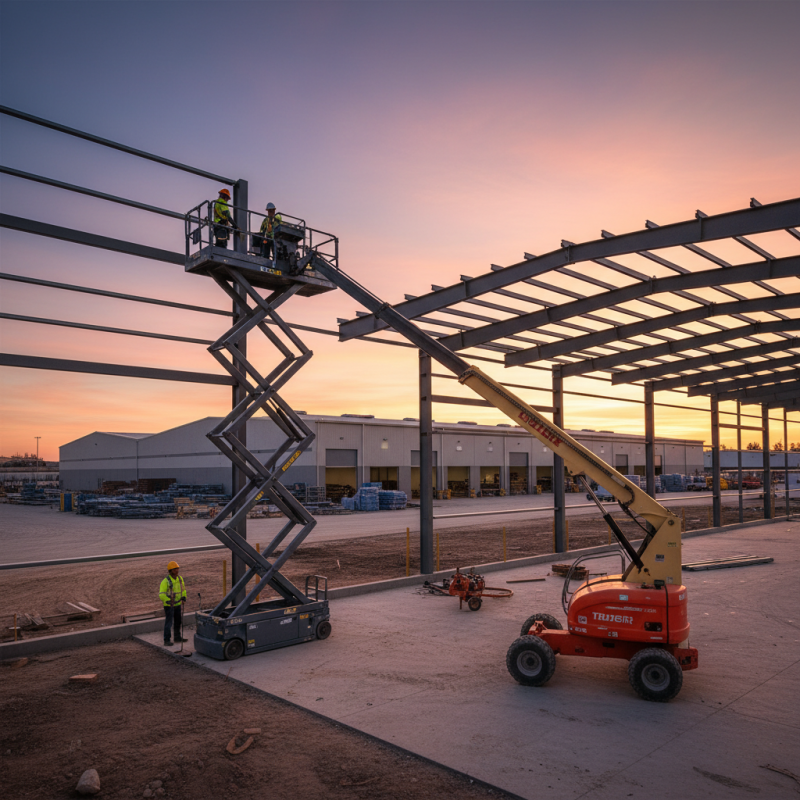
Understanding Hydraulic Scissor Lifts and Their Applications
Hydraulic scissor lifts have become essential tools in various industries. They offer elevation for workers, materials, and equipment, making tasks easier. These lifts can be used in construction, maintenance, and logistics. Understanding their applications can help you select the right one.
Scissor lifts come in different sizes and capacities. Some are compact, suitable for indoor projects, while others are larger for outdoor use. They operate by extending and retracting metal crisscrossed supports. This mechanism allows for stable lifting. However, weight limits and workspace dimensions should be considered.
When choosing a hydraulic scissor lift, think about your specific needs. What is the maximum height required? How much weight will it carry? It’s easy to overlook safety features. Ensure the lift has necessary protections, like guardrails or emergency stop buttons. Reflecting on these details can prevent accidents and ensure efficiency.
Key Factors to Consider When Choosing a Hydraulic Scissor Lift
When selecting a hydraulic scissor lift, there are key factors to keep in mind. The platform height is crucial for ensuring your lift can reach your work area safely. Many models offer heights ranging from 10 to 50 feet. It’s essential to assess the maximum height you need to avoid underestimating your requirements. Choosing a lift with appropriate height precision helps in maximizing efficiency.
Load capacity is another significant consideration. Most lifts can carry loads between 500 to 2,500 pounds. Evaluate the weight of materials and personnel you intend to lift. Insufficient capacity can lead to accidents. Safety should never be compromised for convenience.
**Tip:** Always check for safety certifications and features like emergency stop buttons.
Portability can influence your decision as well. If your projects vary in location, consider weight and compact design. Lighter models are easier to transport, but they may sacrifice stability. Reflecting on your operational needs helps guide your choice.
**Tip:** Evaluate your job site conditions. An unstable surface could limit the effectiveness of your chosen lift.
Moreover, battery life and recharge time can impact productivity. Many lifts feature battery types with different lifespans and charging formats. Thorough research into these specifications can yield a more informed decision. Recognizing the differences allows better alignment with your work schedules.
2026 How to Choose the Best Hydraulic Scissor Lift for Your Needs?
| Key Factor | Description | Typical Range/Options | Considerations |
| Lift Height | Maximum height the lift can reach. | Up to 50 ft (15 m) | Choose based on the tasks at hand. |
| Load Capacity | Maximum weight the lift can handle. | 1,000 - 2,500 lbs (450 - 1,134 kg) | Ensure it meets the requirements for your crew and equipment. |
| Platform Size | Dimension of the working area. | 4 ft x 6 ft to 8 ft x 20 ft | Larger platforms allow for more workers or equipment. |
| Power Source | Type of power used to operate the lift. | Electric, Diesel, or Battery | Consider where it will be used (indoor vs outdoor). |
| Mobility | Ease of moving the lift between job sites. | Wheeled vs Track-mounted | Think about the terrain and space constraints. |
| Safety Features | Features designed to ensure user safety. | Guardrails, emergency stops, anti-slip surfaces | Always prioritize safety in your selection. |
Comparison of Different Types of Hydraulic Scissor Lifts
Choosing the right hydraulic scissor lift involves understanding the different types available on the market. Two common types are electric scissor lifts and diesel-powered models. Electric lifts are typically preferred for indoor use due to their quieter operation and zero emissions. According to a recent industry report, electric scissor lifts make up about 60% of the market, reflecting their growing popularity for tasks in confined spaces.
On the other hand, diesel-powered lifts are better suited for outdoor applications. They offer higher lifting capacities and can navigate rough terrain. These models represent around 30% of the market. However, they come with higher fuel costs and environmental considerations. Reports indicate that diesel lifts emit significantly more CO2 compared to electric options, which raises concerns for companies aiming to reduce their carbon footprint.
When selecting a hydraulic scissor lift, consider the necessary lifting height, weight capacity, and power source. Different jobs demand specific features. For instance, a construction site may benefit from a rugged diesel lift, while a warehouse setting calls for an electric model. The choice of lift can significantly impact operational efficiency and worker safety. However, many users still grapple with complex specifications, leading to potential mismatches between lift capabilities and job requirements.
Safety Features to Look for in a Hydraulic Scissor Lift
When selecting a hydraulic scissor lift, safety features are paramount. According to industry standards, approximately 68% of lift accidents occur due to operator error. This highlights the need for equipment that prioritizes user safety. Key safety features include anti-slip surfaces. They provide better grip, reducing the risk of slips and falls.
Moreover, look for overload protection systems. These features prevent lifting when the load exceeds safe limits. A report from the American National Standards Institute (ANSI) indicates that lifts with such systems reduce the potential for accidents significantly. Additionally, proper guarding and emergency stop buttons are crucial. They ensure that operators can quickly halt operations in emergencies.
Consider also the rigging of safety harness points. Providing a secure place to attach fall protection equipment is essential. Many operators overlook this feature, potentially compromising their safety. Regular inspection of these features can also be challenging. Operators must be diligent and trained to ensure safety equipment is in proper working order. High-quality training programs may significantly reduce the risk of accidents.
Maintenance Tips for Ensuring Longevity of Your Scissor Lift
Maintaining a hydraulic scissor lift is crucial for its longevity and safe operation. Regular checks can prevent costly repairs and downtime. Inspect the lift's hydraulic fluid levels frequently. Low fluid can lead to poor performance. Ensure that the hoses are free from leaks and cracks. These simple checks can save you headaches later on.
Proper cleaning is another essential aspect of maintenance. Dust and debris can accumulate on the scissor lift components. This buildup can hinder performance and lead to mechanical issues. Wipe down the surfaces regularly and pay attention to the areas around the joints. A clean machine operates more effectively.
Don’t neglect the battery as well. Regularly check battery connections for corrosion. Replace worn-out batteries to maintain optimal performance. An overlooked battery can halt your lift when you need it most. Documenting these maintenance activities can help track the lift's condition over time, allowing for better planning and operation.
2026 Hydraulic Scissor Lift Performance Metrics
This chart illustrates the key performance metrics of hydraulic scissor lifts, showcasing important features that influence selection based on your specific needs. Evaluating these metrics can help in making a more informed decision when choosing a scissor lift for maintenance and operational longevity.





