How Much Does a UV Lamp Cost?
How much does a UV lamp cost? The honest answer depends on what the lamp must do. A compact bulb for a small appliance may cost far less than a complete UV water-treatment unit. Aquarium, curing, inspection, and disinfection lamps also differ in output, construction, and replacement needs. Comparing sticker prices alone can mislead.
UV disinfection researcher Dr. Karl G. Linden’s work highlights why performance matters alongside price. In plain terms, the principle is: “Compare a UV lamp’s cost with its output, service life, and intended application.” This is a summary of that principle, not a verified verbatim quotation. For buyers, it means checking the product’s rated wavelength, compatible fixture, replacement-bulb cost, and manufacturer guidance. A low-priced lamp may not suit the device or task.
Details matter. A product page might list a bulb for $20, while its compatible fixture costs much more. Some units also need periodic replacement, so long-term spending can exceed the first purchase. That sounds tidy; real shopping is messier. Specifications are not always presented consistently, and advertised lifespan may depend on operating conditions. Before choosing, compare equivalent products and confirm what is included in the price. This guide explains the main factors behind Uv Lamp Price, typical cost ranges, and the details worth checking before you buy.
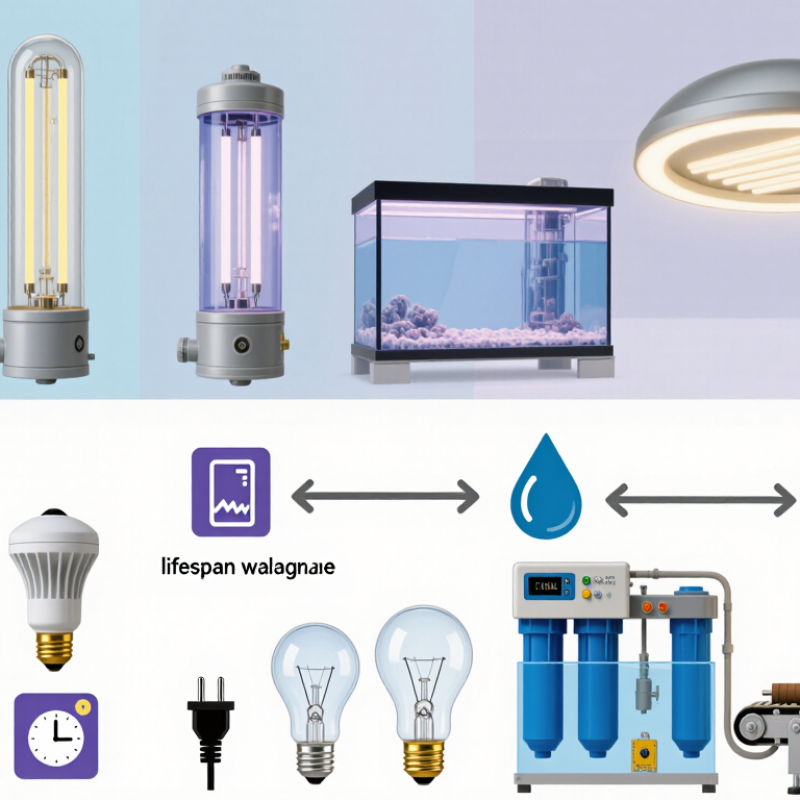
What a UV Lamp Is and How It Works
A UV lamp converts electrical energy into ultraviolet radiation. Its purpose depends on the wavelength and design. Some lamps support disinfection; others serve curing, inspection, or specialty lighting. The International Commission on Illumination’s International Lighting Vocabulary places UV-C between 100 and 280 nanometers. That range is invisible to the eye.
For germicidal use, UV-C can damage the genetic material of microorganisms, limiting their ability to reproduce. NIOSH’s 2009 upper-room UVGI guidance describes 254-nanometer radiation as a common wavelength for conventional systems. The delivered dose depends on irradiance and exposure time. Distance, airflow, and how a surface is positioned can change the result. Not magic.
Inside a traditional low-pressure mercury lamp, an electrical discharge excites mercury vapor, producing UV-C. UV-C LEDs use a different light-producing mechanism. ASHRAE Standard 185.1 describes a test method for evaluating in-duct UV-C devices against airborne microorganisms; such testing helps compare performance under defined conditions. A lamp’s price therefore reflects more than its bulb: output, housing, controls, shielding, and test evidence all matter. I still find “UV lamp” a slightly misleading label, since two lamps can look similar yet deliver very different doses.
How Much Does a UV Lamp Cost? - What a UV Lamp Is and How It Works | UV Lamp Type | Typical Wavelength | How It Works | Common Uses | Typical Purchase Price (USD) |
| Small UVA blacklight lamp | About 365–395 nm | Emits long-wave ultraviolet light that makes some fluorescent materials glow. | Fluorescence inspection, hobby use, and counterfeit-document checks | $10–$60 |
| UV nail-curing lamp | Usually about 365–405 nm | UV or violet LEDs initiate curing reactions in compatible nail gels. | Gel nail curing at home or in salons | $15–$100 |
| Germicidal UV lamp | Commonly 254 nm | Short-wave UV-C damages the genetic material of microorganisms, reducing their ability to reproduce. Proper shielding is essential because direct exposure can harm people and animals. | Enclosed air or water disinfection equipment | $20–$150 for a replacement lamp; complete systems usually cost more |
| Residential UV water-treatment system | Typically around 254 nm | Water passes through a chamber exposed to UV-C. Performance depends on factors such as flow rate, water clarity, and lamp condition. | Point-of-entry or point-of-use water treatment | $100–$800 for many residential systems |
| Portable UV-C disinfection device | Varies by device; often around 254 nm or UV-C LED wavelengths | Directs UV-C onto surfaces or objects. Effectiveness depends on dose, distance, exposure time, and whether the target is directly illuminated. | Limited, controlled surface-disinfection applications | $30–$250 |
| Industrial UV-curing system | Often about 365–395 nm for LED systems; wavelength depends on the curing material | UV light triggers a photochemical reaction that hardens compatible inks, coatings, or adhesives. | Printing, manufacturing, and adhesive curing | $500–$10,000 or more, depending on size and output |
| Price note: These are approximate USD purchase-price ranges, not installation or operating costs. Actual prices vary with lamp output, size, safety features, replacement-lamp availability, and whether the product is a bulb or a complete system. UV lamps work by emitting ultraviolet radiation; the wavelength determines how the light interacts with materials and microorganisms. |
Common Types of UV Lamps and Their Uses
UV lamps differ by wavelength, output, and the job they perform; price alone says little. UV-C systems are used to disinfect water, air, and exposed surfaces. The U.S. Environmental Protection Agency’s UV Disinfection Guidance Manual evaluates validated dose, not just lamp wattage; 40 mJ/cm² is a benchmark in its reactor-validation framework. That distinction is easy to miss. A fixture’s real performance depends on exposure time, distance, and maintenance.
UV-B lamps are used in supervised phototherapy, often with narrowband output near 311 nanometers. UVA lamps serve blacklight inspection and curing applications, where light activates fluorescent materials or hardens coatings. Different task, different lamp. The U.S. Centers for Disease Control and Prevention describes 254-nanometer UV-C as a wavelength used in germicidal ultraviolet systems. These figures are not interchangeable: a wavelength or dose suitable for one use does not prove another device is effective or safe.
For buyers, costs can vary with lamp type, output, shielding, controls, and replacement parts. A small UV-A inspection light may be simple; a water-treatment unit needs validated performance and regular upkeep. Check the intended use and technical documentation before comparing prices. I would not judge a lamp by wattage alone. That shortcut can mislead.
Typical Price Ranges by Lamp Type
How Much Does a UV Lamp Cost?
Typical Price Ranges by Lamp Type
A basic UV-A lamp, such as a small blacklight, commonly costs about $10–$40. Replacement UV-C bulbs for compact disinfection fixtures often range from $15–$80. A complete UV-C fixture may cost $100–$500, while an HVAC ultraviolet system can run roughly $300–$1,500, before installation. These are broad U.S. retail estimates, not guaranteed quotes. Wattage, bulb length, shielding, and replacement availability can shift the price. Grand View Research estimated the global UV disinfection equipment market at $5.4 billion in 2022 and projected a 10.6% compound annual growth rate from 2023 to 2030. That report tracks equipment across different applications, so its market growth does not mean every lamp costs more.
Tips: Compare the full setup, not just the bulb. Check whether the price includes a fixture, wiring, and installation. For example, a low-cost replacement tube may not fit an older unit. Prices vary. Also, product listings can use “UV lamp” for very different equipment, so confirm the wavelength and intended use before buying. These ranges are imperfect; local labor and product specifications make a real difference.
Factors That Affect UV Lamp Prices
How much a UV lamp costs depends on what is included in the term “lamp.” A replacement bulb usually costs less than a complete unit with a housing, power supply, and controls. Output and wavelength also affect price. A system designed for a larger room or faster treatment may need more powerful components, which can increase the upfront cost. More power is not automatically better.
Materials and construction matter, too. A sturdy metal enclosure, sealed fittings, or a sensor that tracks operating time can add expense but may suit demanding environments. Some units include protective features that switch the lamp off when a cover opens. Those details are easy to overlook. They can affect both safe operation and long-term value. Compare what each product includes, not just the price on its label.
The intended use can change the total substantially. A simple replacement may need no extra work, while a larger installation could require compatible wiring, mounting, or professional setup. Bulb lifespan and availability also shape ongoing costs. Check the stated replacement interval and whether output declines with use; a lamp can still glow while performing less effectively. Wattage alone is a poor shortcut. It is tempting to choose the cheapest option, but that assumption deserves a second look when replacement parts or installation are costly.
Extra Costs to Consider When Buying a UV Lamp
The purchase price is only one part of a UV lamp’s cost; replacement parts can change the budget quickly. Check whether the bulb, sleeve, ballast, or other component needs periodic replacement. Replacement intervals vary by lamp type and use, so follow the manufacturer’s instructions rather than assuming a bulb has failed only when it goes dark. A dim lamp may still be lit but produce less useful output. Small detail.
Electricity adds up during long operating hours. Compare the lamp’s wattage with how many hours it will run each day, and include that estimate in your budget. Some setups also need a compatible fixture, wiring changes, or professional installation. Those costs depend on the room and the existing electrical system, so a low online price may not reflect the finished setup.
Protection and upkeep deserve a line in the estimate. Depending on the lamp and task, you may need shielding, protective equipment, or ventilation; check the product documentation before use. Cleaning sleeves and replacing filters can also take time and supplies. Plan for safe handling and disposal of used components, following the instructions provided. I would not guess at these costs: they differ widely between a small curing unit and a larger air or water treatment system.
How Much Does a UV Lamp Cost? Extra Costs to Consider
Estimated purchase and service costs in USD. Actual prices vary by system size, features, location, and installation requirements.
What to budget for: The initial price is only part of the cost. Replacement bulbs and professional installation can add to the total; check the product’s replacement schedule and whether installation is included.





