What is a Hot Air Oven Dryer and How Does It Work?
A Hot Air Oven Dryer is a versatile machine widely used in various industries. It employs hot air circulation to remove moisture from materials efficiently. This technology is crucial for drying food products, pharmaceuticals, and even textiles. The dryer operates by maintaining a steady temperature and airflow.
Hot Air Oven Dryers are known for their reliability and effectiveness. They ensure uniform drying, which is essential for preserving the quality of the products. However, users must be cautious about temperature settings. Setting the temperature too high can damage sensitive materials. Understanding the operation principles is key to achieving optimal results.
While Hot Air Oven Dryers offer many advantages, they also have limitations. The initial cost can be high for small businesses. Moreover, the energy consumption of these machines might be significant. Consideration of these factors is important for potential users. Balancing the benefits with potential drawbacks is crucial for informed decision-making.
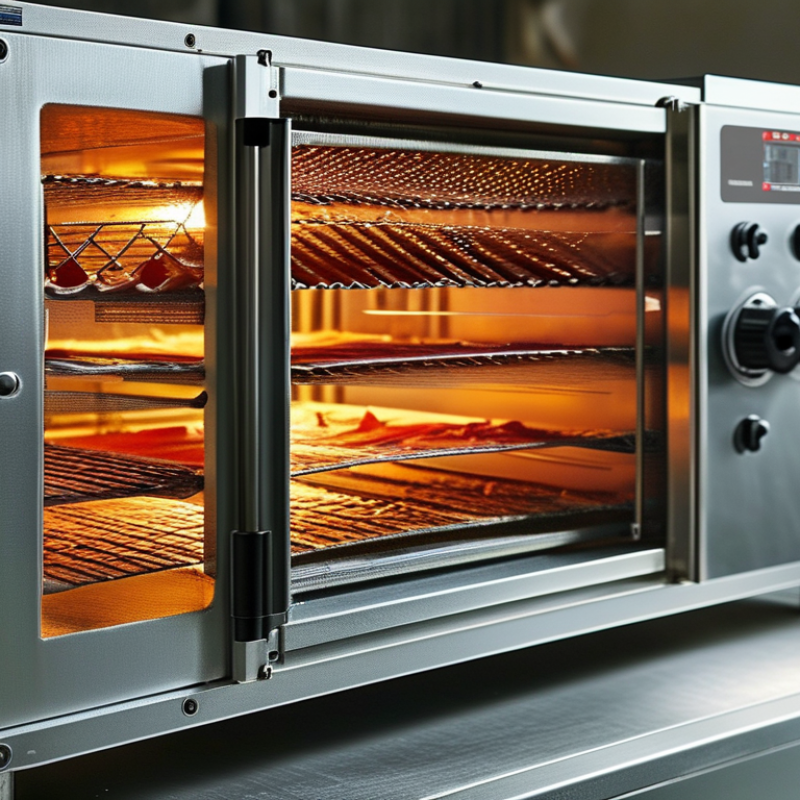
What is a Hot Air Oven Dryer?
A hot air oven dryer is a device commonly used in laboratories and industrial settings for drying materials. It operates by circulating hot air around items placed inside it. This process effectively removes moisture through convection heating. The controlled environment allows for uniform drying, which is crucial for sensitive materials.
Hot air ovens can reach temperatures of 50°C to 300°C. This range makes them versatile for various applications, including food, ceramics, and pharmaceuticals. According to recent industry reports, the global market for drying equipment is expected to grow significantly, driven by advancements in drying technologies and increasing demand from various sectors.
Tips: To ensure efficiency, avoid overcrowding the oven. This allows for proper airflow and enhances the drying process. Monitor the temperature closely, as overheating can damage sensitive materials. Regular maintenance of the oven is essential for reliable operation. Remember that different materials require specific drying times and temperatures. Conduct preliminary tests to establish the optimal settings for your needs.
Key Components of a Hot Air Oven Dryer
A hot air oven dryer is a crucial equipment used in various industries, including pharmaceuticals and food processing. Its primary function is to remove moisture from products using hot air circulation. The efficiency of the drying process largely depends on the components of the dryer.
One vital component is the heating element. This element generates the required heat for drying. According to a report from the International Society for Pharmaceutical Engineering, optimal heating maintains product integrity while enhancing drying speed. The air circulation system is another key component, ensuring uniform temperature distribution. Poor air circulation can lead to uneven drying, which affects product quality. The fan types and configurations impact the drying efficiency significantly.
Insulation is also critical in the design of hot air ovens. Effective insulation reduces energy consumption and ensures minimal heat loss. Approximately 20-30% of energy can be saved with proper insulation designed for hot air oven dryers. Regular maintenance is essential to keep these components functioning effectively. Failure in maintenance can result in inefficiency and increased operational costs, leading to production delays. This highlights the importance of investing time and resources in maintaining these systems for consistent performance.
Hot Air Oven Dryer Temperature vs. Drying Time
This chart illustrates the relationship between the temperature of a hot air oven dryer and the drying time required for various materials. As the temperature increases, the drying time decreases, highlighting the efficiency of higher temperatures in the drying process.
How Does the Hot Air Oven Dryer Function?
A hot air oven dryer is a vital tool in various industries. Its primary function is to remove moisture from materials using hot air circulation. The process involves the convection of heated air, which helps to evaporate water content efficiently. This method is widely used in food processing, textiles, and pharmaceuticals.
The functionality of a hot air oven dryer hinges on its ability to maintain a consistent temperature. Research indicates that optimal drying occurs at temperatures between 50°C and 80°C. The air inside is heated and circulated, creating a uniform drying environment. This helps to ensure that all parts of the material dry evenly, preventing potential quality issues that could arise from inconsistent drying.
Tips: Regularly check the temperature calibration to maintain accuracy. Uneven heat distribution can lead to inadequate drying, which may encourage mold growth.
Monitoring drying time is also crucial. Over-drying can damage the material. Less than optimal drying parameters might lead to moisture retention, impacting the final product's quality. Always adjust settings based on the material type, as each has unique moisture removal requirements.
Applications of Hot Air Oven Dryers in Various Industries
Hot air oven dryers find extensive applications across various industries due to their ability to provide uniform heat and efficient drying solutions. In the pharmaceutical industry, for instance, they are crucial in drying bulk drugs and granulated substances. The controlled temperature and airflow ensure that active ingredients remain stable without degrading. This precision fosters reliable product quality, which is vital in healthcare.
In the food industry, hot air ovens are employed to dehydrate fruits, vegetables, and herbs. Removing moisture prevents spoilage while retaining flavor and nutritional value. Despite their advantages, users must pay attention to drying times. Over-drying can lead to texture loss. In the textile industry, these ovens help in curing fabrics and removing excess moisture after dyeing processes. However, inconsistencies in temperature distribution can impact fabric quality, requiring careful calibration.
In research laboratories, hot air ovens serve as essential equipment for sterilizing glassware and tools. Such practices minimize contamination risks. Despite their widespread use, operators should reflect on energy efficiency and maintenance. Periodic calibration and cleaning are necessary to maintain optimal performance. Balancing these considerations is key to maximizing the effectiveness of hot air oven dryers.
Benefits and Limitations of Using Hot Air Oven Dryers
Hot air oven dryers utilize heated air to evaporate moisture from materials. This method is widely used in various industries, including food processing and pharmaceuticals. One key benefit is efficiency. According to a report by the American Society of Agricultural and Biological Engineers (ASABE), hot air drying can be 70% more energy-efficient than conventional drying methods.
However, there are limitations. Hot air ovens may not be suitable for all materials. Sensitive products risk degradation from high temperatures. For instance, drying temperature should not exceed a certain threshold to avoid compromising flavor in food items. Additionally, airflow distribution can be uneven, leading to inconsistent drying results. A study published in the Journal of Food Engineering highlighted that up to 30% of batch samples could exhibit variations in moisture content.
Another concern involves operational costs. While energy-efficient, initial investment can be high. Maintenance can also pose challenges. Users must regularly ensure that heating elements and fans are functioning well. Failing to maintain these components can lead to increased downtime and operational inefficiencies. It's essential to weigh these factors before deciding on a hot air oven dryer as a drying solution.





