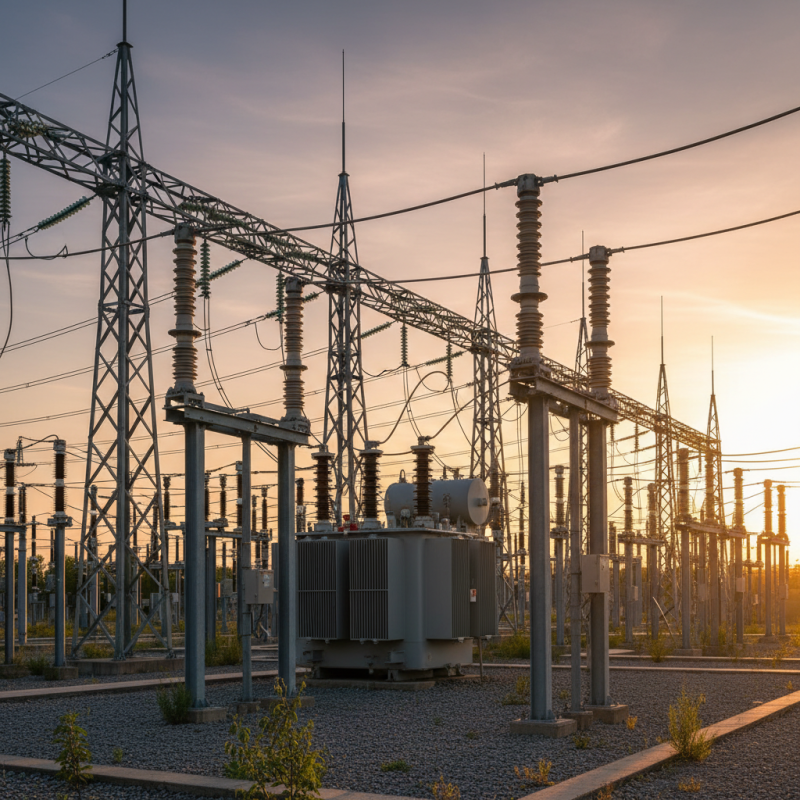
What is High Voltage Switch and How Does It Work?
High-Voltage Switches play a critical role in electrical systems. These devices manage the flow of electricity safely. They help in directing power where it is needed. Understanding their functionality is essential for reliability in power distribution.
A High-Voltage Switch operates under significant electrical stress. It must ensure safety while controlling and isolating electrical circuits. For instance, these switches are vital in substations. They protect equipment from faults or surges. However, their operation can be complex and may lead to failures if not properly maintained.
While High-Voltage Switches are efficient, there can be drawbacks. Misunderstandings about their workings can lead to hazardous situations. Regular inspections and proper training are crucial. Considering the potential consequences is key in maintaining operational effectiveness.
Definition and Purpose of High Voltage Switches
High voltage switches are crucial components in electrical systems. They are designed to control electricity flow at high voltages. Their primary purpose is to enhance safety and efficiency. High voltage switches isolate equipment, preventing unwanted current from causing damage. They are found in substations and industrial applications, where power levels can be dangerously high.
Understanding the definition of high voltage switches is essential. These devices can be manual or automatic. Manual switches require human intervention, while automatic ones operate based on set parameters. A common feature is their ability to interrupt current without damage. This makes them reliable for protecting sensitive equipment. However, not all high voltage switches are created equal. Poor design can lead to failures, which can be costly.
In practice, installation and maintenance matter greatly. Properly installed switches can minimize risks. Yet, errors can occur during these processes. Regular inspections can help identify potential issues early. A well-maintained switch ensures optimal performance, reducing the chances of outages. Balancing reliability and accessibility is vital in any high voltage system.
Types of High Voltage Switches and Their Applications
High voltage switches are crucial in power systems, handling significant electrical loads. Various types of switches serve different applications. For example, air-insulated switches are common in substations. They use air as the insulating medium, making them reliable and cost-effective. In contrast, oil-insulated switches are often used in regions with extreme weather. Their design allows for safe operation even in challenging conditions.
Another essential type is gas-insulated switches. These devices use gas, typically sulfur hexafluoride, for insulation. They occupy less space and are suitable for urban areas. While effective, their environmental impact requires consideration. Electronic circuit breakers, on the other hand, are a newer technology. They offer precise control and fast operation, catering to evolving energy demands. However, their complexity can lead to maintenance challenges.
Each switch type has distinct advantages and limitations. Users must carefully assess their needs. Understand the operational environment and safety concerns. The choice of a high voltage switch significantly impacts the efficiency of electrical systems. It is vital to make informed decisions based on practical experience and expert recommendations.
How High Voltage Switches Function Mechanically and Electrically
High voltage switches play a crucial role in the electrical power distribution system. Their mechanical and electrical functions are essential for managing the safe flow of electricity. These switches can interrupt or redirect high voltage currents, preventing dangerous overloads.
Mechanically, high voltage switches operate through physical movement. A pivotal mechanism, like a lever or toggle, engages the contacts within the switch. When activated, the contacts either close or open the circuit, allowing or stopping the flow of electricity. This mechanical action must be robust and responsive to handle the immense forces involved with high voltage. Additionally, insulation materials are crucial to prevent unintended contacts, ensuring safety and reliability.
Tips for installation include ensuring proper alignment of components. Misalignment can lead to malfunction or failure. Regular maintenance is vital as wear and tear can impact performance. Inspect the insulation regularly for signs of deterioration, which can lead to dangerous conditions. A small oversight in maintenance might result in larger problems down the line. Always consult with a professional when dealing with high voltage systems. The consequences of mistakes can be severe.
Safety Considerations and Maintenance for High Voltage Switches
High voltage switches are critical components in electrical systems. They control the flow of electricity and ensure proper distribution. However, safety and maintenance are essential for their effective operation. High voltage systems can present dangers if not properly maintained. According to the IEEE Standards Association, improper maintenance can lead to electrical failures, which result in an estimated 1.5 billion dollars in costs per year due to equipment damage and operational downtime.
Regular inspections are necessary to identify potential issues. The National Fire Protection Association recommends a routine schedule for these inspections. It is essential to check for wear and tear, loose connections, and insulation degradation. A study from the International Electrotechnical Commission notes that timely maintenance can reduce failure rates by up to 30%. Ignoring such maintenance can lead to catastrophic failures, injury, and costly repairs.
Moreover, maintaining clear records is crucial. Documentation should include maintenance history and equipment upgrades. The absence of this information can hinder troubleshooting and effective management. While many operations strive for excellence, they often overlook the importance of a robust maintenance protocol. This oversight can lead to significant operational risks that could have been prevented with proper planning and execution.
What is High Voltage Switch and How Does It Work?
| Dimension | Specification | Safety Considerations | Maintenance Tips |
| Voltage Rating | Up to 765 kV | Use proper PPE | Regular inspection of contacts |
| Current Rating | 2000 A | Maintain clear work area | Lubricate moving parts |
| Type | Air Insulated | Check for moisture | Replace worn components |
| Operation Mechanism | Mechanical Actuator | Lockout/tagout procedures | Conduct temperature tests |
Recent Advances in High Voltage Switch Technology
Recent advances in high voltage switch technology have significantly improved efficiency and reliability in electrical systems. According to a report by the International Energy Agency, the global market for high voltage switches is projected to grow at a compound annual growth rate (CAGR) of 6.5% from 2023 to 2030. This growth is driven by the increasing demand for reliable power transmission and the modernization of aging infrastructure.
New materials, such as advanced polymers and superconductors, are now being utilized. These materials enhance the switches’ performance and lifespan. Additionally, the implementation of smart technologies allows for real-time monitoring and diagnostics. A recent study highlighted that smart high voltage switches can reduce failure rates by up to 30%. However, challenges remain in standardizing these innovations across different regions and applications.
Industry experts stress the need for rigorous testing protocols. Many new technologies have not yet reached their full potential. Issues such as compatibility with existing systems can complicate integration. While advancements are promising, ongoing research is essential to ensure that these solutions meet industry standards and user expectations. The journey towards fully optimized high voltage switches is still in progress.
Recent Advances in High Voltage Switch Technology