What Is a Hex Machine Screw and What Is It Used For?
A Hex Machine Screw may look ordinary on a workbench, but its shape serves a precise purpose. Its six-sided head gives a wrench or socket a firm grip. Its straight, blunt-ended shank is designed to engage a threaded hole or pair with a nut. You might find one securing a motor cover, a metal bracket, or a machine guard. Small part. Big responsibility.
Fastener engineer John H. Bickford’s work on threaded joints emphasizes the importance of maintaining proper clamping force. In paraphrase: “A dependable screw joint needs the right fastener and a controlled, lasting clamp.” That principle helps explain why choosing a screw by appearance alone can cause trouble. Thread size, length, material, head clearance, and operating conditions all matter. A screw that is too long may bottom out; one made from an unsuitable material may corrode or fail under load. Details count.
This guide explains what a Hex Machine Screw is, how it differs from related fasteners, and where it is commonly used. It also looks at materials, dimensions, and selection considerations, including when a nut or tapped hole is appropriate. There is no universal choice for every assembly. Check the equipment specifications, and verify the fit before installation. A careful match makes maintenance easier and helps keep connected parts secure.
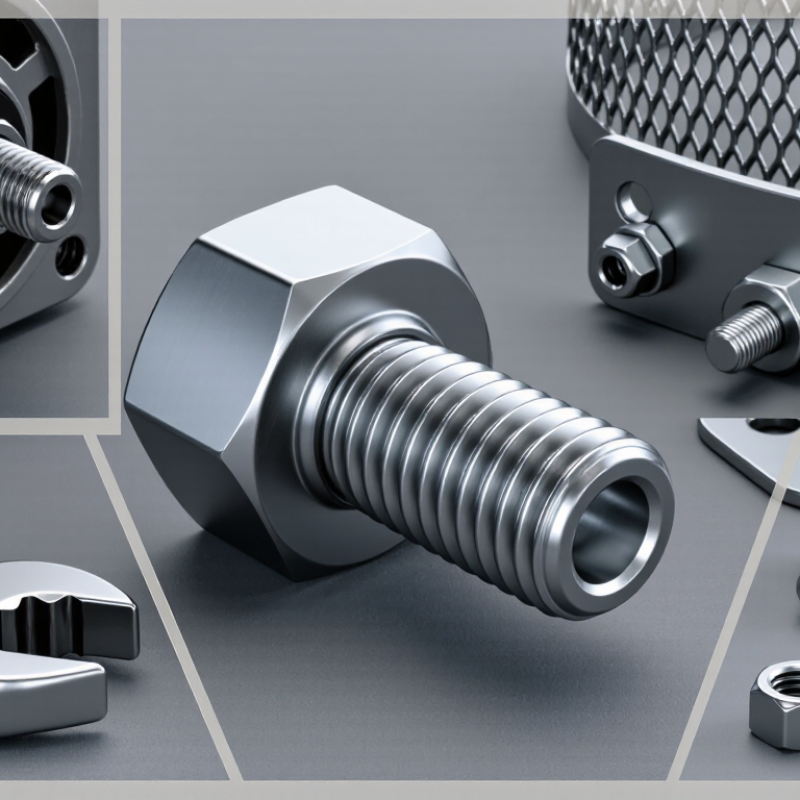
Definition and Key Features of a Hex Machine Screw
A hex machine screw is a fastener with a six-sided head and machine threads along part or all of its shank. It is designed to engage a tapped hole or work with a matching nut, rather than cut its own threads into wood. The hexagonal head accepts a wrench or socket, giving the installer a firm grip when tightening or loosening it. Small detail, real consequences. A flat surface beneath the head spreads pressure against the joined part, though a washer may be needed to protect soft or painted surfaces.
Thread pitch, diameter, length, and material are key selection details. Machine screws often have finer, more consistent threads than general-purpose construction screws, but exact thread forms vary. Check that the screw matches the hole or nut; a close-looking thread can still bind or damage the connection. In a metal equipment enclosure, for example, a hex machine screw can secure a bracket while allowing later removal for service. It is also useful where access is limited and a socket can reach the head more easily than a screwdriver. The term is not used identically in every catalog, so checking the drawing and dimensions is wiser than relying on the name alone.
Parts, Materials, and Thread Specifications
A hex machine screw has a six-sided head, a bearing face beneath it, and a threaded shank. The head takes a wrench or socket, useful when a screwdriver cannot reach the fastener. Many machine screws are fully threaded, though the exact form depends on the applicable standard. Small details matter.
Material choice affects strength and corrosion resistance. Carbon steel is common for indoor assemblies; stainless steel is often selected where moisture is expected. ISO 898-1 specifies mechanical-property classes for carbon and alloy steel fasteners. For class 8.8, the standard sets a minimum tensile strength of 800 MPa. That figure is not a design load: joint geometry, tightening, and service conditions still matter. A real assembly can fail at the threads.
Thread specifications define diameter, pitch, and fit. Under ISO 261, common coarse metric threads include M6 × 1 and M8 × 1.25, where the number after “M” is nominal diameter and the second number is pitch in millimetres. ISO 965 covers metric thread tolerances; ASME B18.2.1 covers dimensions for inch-series hex bolts and screws. Match the screw to the tapped hole, not just the visible diameter. A pitch gauge helps. Mixing near-matching threads can damage a hole before the mismatch is obvious.
Metric Hex Machine Screw Thread Pitch
Coarse-pitch values shown are standard ISO metric thread sizes. Pitch is the distance between adjacent thread crests, measured in millimeters.
How Hex Machine Screws Are Installed
Before installation, confirm the screw’s diameter, thread pitch, and length match the tapped hole or nut. Machine screws are not designed to cut their own threads, so forcing one into a mismatched hole can damage the threads. Clear away dust and metal chips, then bring the parts together and align their holes. A small detail. Even slight misalignment can make the screw start crooked.
Place the hex head squarely and turn the screw by hand for the first few threads. This helps you feel resistance early, before a tool adds too much force. Once it turns smoothly, use a correctly sized wrench or socket. Tighten gradually, keeping the joined parts aligned. Use a washer if the design calls for one, and follow the specified torque when available. If the screw binds, stop and check the thread match rather than forcing it.
After tightening, check that the head seats properly and the parts do not shift or rock. It is tempting to tighten until everything feels solid, but hand feel alone is not a dependable torque measurement. For a critical joint, use a suitable torque wrench and the equipment maker’s specification. Also check that the screw does not protrude into a moving part or hidden clearance space.
Common Uses Across Industries
A hex machine screw has a six-sided head and machine-cut threads, usually with a flat or blunt tip. The head gives a wrench or socket a firm grip, useful when a joint needs controlled tightening. It commonly fits a tapped hole or works with a nut and washer. The right choice depends on the material, thread size, load, and access for tools. Small details matter.
In manufacturing plants, these screws secure machine guards, brackets, and service panels that may need periodic removal. In electrical work, they fasten enclosure parts and mounting rails; installers must match the screw material to the environment to limit corrosion. Vehicle and equipment makers use them on interior fittings, housings, and non-critical assemblies where a compact, serviceable joint is practical. HVAC technicians may encounter them in fan housings and duct supports, while furniture makers use them for metal frames and adjustable hardware.
A hex head is not automatically the best option. Tight corners can make a socket awkward, and vibration may call for a suitable locking method rather than simply more torque. In practice, a parts list can miss how often a panel is opened or how damp the location gets. Check the mating threads and manufacturer specifications before installation.
How to Select the Right Hex Machine Screw
Selecting the right hex machine screw starts with the joint, not the screw head. Measure the hole diameter and check its thread pitch; matching both helps prevent cross-threading. Then determine the required length, measured from beneath the head to the screw’s end. Too short, and engagement may be weak. Too long, and the screw can bottom out or interfere with nearby parts. Check the available wrench clearance, too. A hex head is useful when a socket or spanner can reach it, but cramped assemblies may call for a different head style.
Material and strength matter just as much. For dry indoor equipment, a suitable steel screw may be adequate; damp or corrosive settings often call for corrosion-resistant material. Stainless steel is not automatically the strongest choice, and its threads can seize under some conditions. Consider the load, vibration, temperature, and mating material before deciding. Use a washer when the bearing surface needs protection or the load should be spread. Tighten to a reliable specification where one is available. Don’t guess. A common oversight is ordering by diameter alone: I would recheck pitch, length, and the actual hole before fitting the screw. Measurements can look right on paper and still miss a small assembly detail.





