Heavy Equipment Wheels Tips for Global Buyers to Consider
When considering Heavy Equipment Wheels, global buyers must navigate a complex landscape. The construction and mining industries rely heavily on these wheels for performance and safety. According to a 2021 report by Research and Markets, the global heavy equipment market is projected to reach $193 billion by 2026. This growth underscores the importance of selecting high-quality wheels that can withstand demanding conditions.
Choosing the right Heavy Equipment Wheels is not merely a financial decision. Quality wheels can enhance the efficiency of machinery, reduce downtime, and improve overall safety. A study by the International Journal of Engineering tells us that the right wheel specifications can reduce wear and tear by up to 30%. However, many buyers overlook the significance of material quality and tread design.
As awareness increases, the need for informed purchases becomes evident. Buyers must weigh factors like load capacity, environmental conditions, and equipment compatibility. Investing in superior wheels can lead to higher productivity and long-term savings. Yet, the market is rife with choices, and not all options are equally reliable. Research and expert guidance remain essential for making informed decisions in this ever-evolving industry.
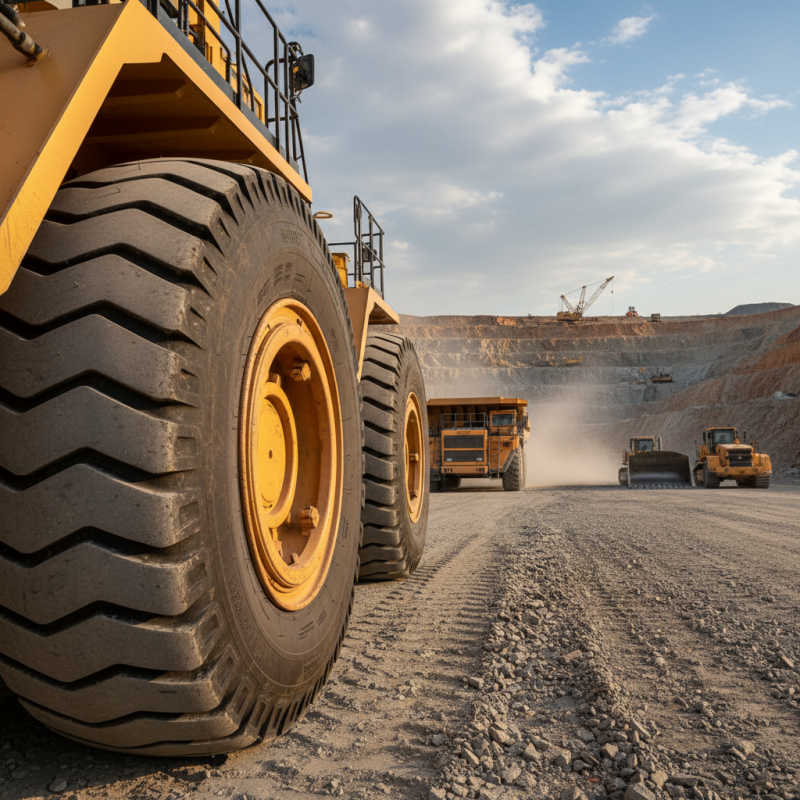
Considerations for Selecting Heavy Equipment Wheels for Global Markets
Selecting heavy equipment wheels for global markets requires careful consideration of various factors. Buyers need to assess the wheel's material, design, and weight capacity. A robust wheel can withstand harsh conditions, ensuring longevity. It’s also vital to evaluate compatibility with the equipment being used. Understanding the specifications of different models aids in making an informed decision.
Tips for selecting heavy equipment wheels include focusing on the intended terrain. For rocky or uneven surfaces, wheels with deep treads are essential. Additionally, examine the wheel's load ratings. Overloading can lead to premature wear or failure. Checking for certifications can also enhance trust in the product's quality.
Another key consideration is the climate of the operating region. Extreme temperatures can affect wheel performance. Consider wheels that can handle both hot and cold environments. It's worth researching potential suppliers in various markets. This can reveal insights into local preferences and standards. It may be beneficial to seek feedback from other buyers. Learning from their experiences can shape a better purchasing strategy.
Understanding Different Types of Heavy Equipment Wheels Available Worldwide
When considering heavy equipment wheels, it's crucial to understand the various types available globally. These wheels vary in materials, designs, and specific applications. Common options include steel wheels, rubber tires, and composite designs. Each type offers distinct advantages and must be selected based on the intended use.
Steel wheels are durable and often used on rough terrains. They provide strength but can cause damage to softer surfaces. Rubber tires are more versatile, delivering better shock absorption and traction. However, they may wear out faster. Composite wheels blend the benefits of both, yet their higher cost raises questions about value for some buyers.
Buyers need to evaluate their operational needs. Not all wheels fit every machinery type. Choosing the wrong wheel can lead to inefficiencies and increased costs. Factors like load capacity and environmental conditions should guide final decisions. A one-size-fits-all approach rarely yields the best outcome. Understanding these nuances ensures that investments in heavy equipment wheels lead to improved performance and reliability.
Heavy Equipment Wheels Tips for Global Buyers to Consider
| Wheel Type | Suitable Equipment | Material | Load Capacity (tons) | Terrain Compatibility |
| Polyurethane Wheels | Forklifts, Material Handling Equipment | Polyurethane | 3-5 | Indoor, Smooth Surfaces |
| Rubber Tires | Excavators, Loaders | Rubber | 10-20 | Rough Terrain, Construction Sites |
| Steel Wheels | Heavy Haul Trucks, Mining Equipment | Steel | 20-40 | Harsh Environments, Mining |
| Solid Foam Tires | Telehandlers, Scissor Lifts | Foam-filled Rubber | 5-10 | Paved or Even Surfaces |
| Pneumatic Tires | Agricultural Equipment, Construction Vehicles | Air-filled Rubber | 10-25 | Varied Terrain, Fields |
Factors Influencing Heavy Equipment Wheel Performance and Durability
When selecting heavy equipment wheels, various factors influence their performance and durability. Material quality plays a crucial role. Wheels made from high-grade steel or reinforced composites tend to withstand heavy use better. Consider the conditions they will face, such as rough terrain or extreme temperatures, as these can expedite wear and tear.
Tip: Assess the load capacity. Choose wheels that exceed your equipment's requirements. This ensures longevity and prevents unexpected failures.
Another critical aspect is wheel design. Features like tread pattern and rim style can impact traction and stability. A proper tread can enhance grip on slippery surfaces. On the other hand, an inappropriate design may lead to frequent slippage or uneven wear.
Tip: Regular inspection is essential. Look for signs of damage, such as cracks or dents. Neglecting minor issues can lead to larger problems down the line.
Finally, consider the maintenance needs. Some wheels require more frequent upkeep than others. A good maintenance routine can significantly extend wheel life and improve performance in challenging environments.
Analyzing Global Regulations and Standards for Heavy Equipment Wheels
When purchasing heavy equipment wheels, understanding global regulations and standards is crucial. Different countries have specific requirements that impact design and manufacturing. According to a report by the International Organization for Standardization (ISO), compliance with ISO 20474 is essential for wheels used in Earth-moving machinery. This standard addresses safety, performance, and environmental impacts.
In addition, the ANSI/ISEA 105 standard provides guidelines for performance and testing of wheels in various conditions. These regulations ensure that equipment can operate safely and efficiently across diverse terrains. Recent data indicates that non-compliance can lead to costly recalls and extensive liability issues, affecting both manufacturers and buyers.
Navigating these regulations can be challenging. Each region may have unique specifications that vary between types of equipment. Buyers need to invest time in understanding these standards. Insufficient knowledge can lead to the acquisition of non-compliant wheels, which could complicate operations. Keeping abreast of changing regulations is vital for avoiding potential risks and ensuring operational continuity.
Tips for Cost-Effective Sourcing of Heavy Equipment Wheels Internationally
When sourcing heavy equipment wheels internationally, cost-effectiveness is key. Researching various suppliers is a crucial step. Look for manufacturers with a solid reputation. Online platforms can help you connect with different sellers. However, beware of offers that seem too good to be true. Sometimes, low prices lead to compromised quality.
Understanding the logistics involved is also essential. Shipping costs can significantly impact your overall budget. Evaluate the distance from the supplier to your location. Consider any potential tariffs or duties. These additional charges can quickly add up. Transparency in pricing details is vital for a successful transaction.
Quality checks are often overlooked but should be a priority. Request samples before making a bulk purchase. Inspect the materials and craftsmanship closely. Establish clear communication with your supplier. This reduces misunderstandings and ensures that expectations are aligned. Each of these factors influences your sourcing process. They can either lead to a successful purchase or a costly mistake. Reflecting on each step can help refine your approach next time.





