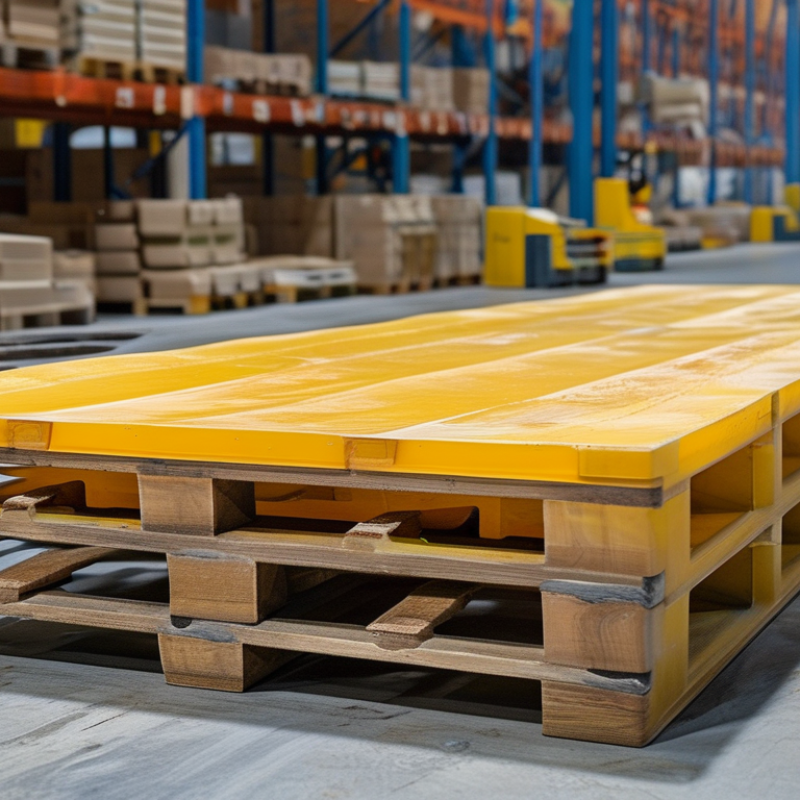
What is HDPE Slip Sheet Benefits and Applications?
HDPE Slip Sheets are gaining attention in the logistics and packaging industry. Made from high-density polyethylene, these sheets offer distinct advantages. They are lightweight, durable, and resistant to moisture. Companies appreciate these qualities for storage and transportation.
One of the primary benefits of HDPE Slip Sheets is cost efficiency. Traditional pallets can be heavy and expensive. In contrast, slip sheets reduce shipping costs by optimizing space. They take up less room and can often be reused, adding to their appeal.
Despite these benefits, some users may find the transition challenging. Adjusting equipment to handle slip sheets can require training. Additionally, they may not be suitable for all products. Companies must assess their unique needs. With the right approach, HDPE Slip Sheets can significantly enhance operational efficiency.
What is HDPE Slip Sheet?
HDPE slip sheets are innovative solutions used in material handling and transportation. Made from high-density polyethylene, these sheets are lightweight yet strong. They provide a smooth surface for goods to slide upon during loading and unloading. This can greatly reduce the effort required in manual labor processes, enhancing efficiency in various operations.
Research from the Plastics Industry Association indicates that the use of HDPE slip sheets can reduce packaging waste significantly. Estimates suggest that companies can cut down their usage of traditional pallets by up to 80%. This translates to cost savings and lower environmental impact. In addition, these slip sheets are resistant to moisture and chemicals, making them ideal for various applications, including food and pharmaceuticals.
Tip: Always ensure that your HDPE slip sheets are compatible with your storage systems. Improper use can lead to accidents or damage to goods. Inspect the sheets regularly for wear and tear, as this can affect their performance. Remember, successful implementation is about both the technology and proper handling practices.
Advantages of Using HDPE Slip Sheets in Logistics
HDPE slip sheets offer numerous advantages in logistics. These flat sheets made from high-density polyethylene can replace traditional pallets, leading to significant cost savings. A report from the Packaging Institute indicates that businesses can cut costs by approximately 30% when using slip sheets instead of pallets. This shift can lower shipping expenses immensely, especially in high-volume operations.
Weight is another critical factor. HDPE slip sheets weigh significantly less than wooden pallets. This reduction in weight translates to lower shipping costs and increased payload capacity. Moreover, they are compatible with automated systems, which can enhance efficiency. According to a study by the Logistics Management Association, automation can increase productivity by up to 25% when using slip sheets in operations.
However, adopting HDPE slip sheets is not without challenges. Some companies struggle with the initial transition due to staff training and changes in handling processes. A survey showed that 40% of logistics managers faced difficulties when integrating new systems. These issues remind us that while HDPE slip sheets can reduce costs and increase efficiency, companies must also address the potential learning curve involved in their implementation.
Benefits of HDPE Slip Sheets in Logistics
Applications of HDPE Slip Sheets Across Various Industries
HDPE slip sheets have gained traction across various industries due to their lightweight and durable nature. In logistics, companies report a 25% reduction in shipping costs when using these sheets compared to traditional wooden pallets. The automotive sector particularly benefits from HDPE slip sheets, as they allow for efficient stacking and transport of components, maximizing space and minimizing packing materials.
The food and beverage industry also embraces HDPE slip sheets. They are resistant to moisture and chemicals, ensuring safe transport of goods. A recent industry survey indicated that over 70% of food manufacturers prefer slip sheets for their hygienic properties. Slip sheets can withstand temperatures as low as -40°F, making them suitable for cold chain operations. This versatility is crucial in maintaining product integrity during transport.
While HDPE slip sheets offer many benefits, some challenges remain. Companies sometimes face a learning curve when adjusting to slip sheet handling equipment. Transitioning from pallets can lead to initial inefficiencies. Nevertheless, the long-term cost savings and environmental benefits often outweigh these early difficulties, making HDPE slip sheets a crucial component in today’s supply chain.
Comparison of HDPE Slip Sheets with Traditional Pallets
In the logistics and shipping industries, HDPE slip sheets are gaining traction when compared to traditional pallets. These sheets are thinner and lighter, which leads to significant weight savings. Reports suggest that companies can reduce shipping costs by up to 30% when using HDPE slip sheets. This is mainly due to their compact nature which allows for more efficient stacking and storage.
While traditional pallets are often made from wood or metal, HDPE slip sheets are typically made from high-density polyethylene. This material offers durability and resistance to moisture. Industry studies indicate that HDPE sheets have a much longer lifespan compared to wooden pallets, which can splinter and degrade over time. Users have reported a reduction in damage associated with product transport when using slip sheets.
On the downside, the transition to HDPE slip sheets may require changes in handling processes. Not all forklifts or pallet jacks are compatible with slip sheets. Training staff can be an additional challenge. Furthermore, some organizations may struggle to adjust to the new systems, impacting overall efficiency during the initial adjustment period. These factors should be carefully considered before making the switch.
Sustainability Aspects of HDPE Slip Sheets in Packaging Solutions
HDPE slip sheets have gained popularity in various industries for their sustainability benefits. These sheets are primarily made from high-density polyethylene, a recyclable material. According to a report by the Recycling Industry Coalition, approximately 30% of HDPE is currently recycled, making it a viable option for eco-conscious businesses. This statistic highlights the potential for HDPE slip sheets to contribute to circular economy practices.
Using HDPE slip sheets reduces the reliance on wooden pallets. This shift can significantly decrease deforestation rates and conserve natural resources. However, companies must continue to navigate challenges related to sourcing recycled materials consistently. While HDPE is durable, the recycling stream can face interruptions, impacting overall sustainability.
Tip: Consider establishing partnerships with reliable HDPE suppliers to enhance your sustainability efforts. Regularly auditing your supply chain can instantly reveal areas for improvement. In addition, investing in HDPE slip sheets can elevate your brand's environmental commitment without sacrificing efficiency.
The application of HDPE slip sheets extends beyond just manufacturing. They are ideal for shipping and storing goods, providing stable support while minimizing waste. However, some companies may overlook the hidden costs tied to transitioning from traditional pallets to slip sheets. Ultimately, educating staff about best practices can maximize the benefits of this innovative packaging solution.