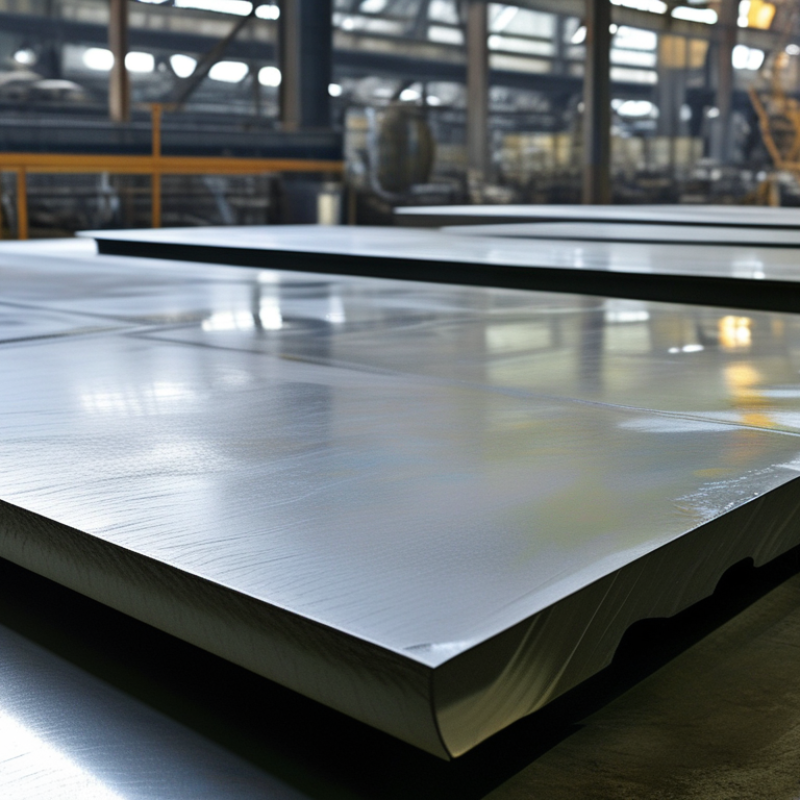
What are Graphite Heat Transfer Plates and Their Benefits?
Graphite Heat Transfer Plates are increasingly recognized for their role in enhancing thermal management in various applications. Made from high-quality graphite, these plates excel in transferring heat efficiently. Their unique properties provide significant advantages over traditional materials like metals.
In industries such as electronics, automotive, and renewable energy, these plates are invaluable. Their lightweight nature allows for easier integration into systems without adding unnecessary weight. Additionally, the durability of graphite ensures a longer lifespan, often leading to reduced maintenance costs.
While the benefits are clear, the initial investment can be a consideration for some manufacturers. Understanding the long-term gains is crucial. Overall, Graphite Heat Transfer Plates represent a compelling choice for anyone seeking efficient heat transfer solutions in modern technology.
What are Graphite Heat Transfer Plates?
Graphite heat transfer plates are specialized components designed for efficient thermal management. These plates are made from graphite, a unique material known for its remarkable thermal conductivity. This property enables them to transfer heat much more efficiently than traditional metal plates. When used in various applications, these plates can significantly enhance energy efficiency.
The versatility of graphite heat transfer plates is noteworthy. They can be found in industries ranging from electronics to automotive. Their lightweight nature is an added advantage. However, users should be mindful of potential limitations, such as cost and availability. While they perform exceptionally well, the initial investment might be higher than other materials. Users often report that understanding the right applications is crucial for optimal performance.
Key Properties of Graphite that Enhance Heat Transfer
Graphite heat transfer plates are essential in many thermal management applications. Their unique properties make them suitable for efficient heat conduction. Graphite's high thermal conductivity allows the transfer of heat with minimal energy loss. This property is especially beneficial in industries where precise temperature control is critical.
One noteworthy aspect is graphite’s lightweight nature. It reduces the overall mass of heat transfer systems without compromising performance. Additionally, graphite is chemically resistant and can withstand high temperatures, enhancing reliability in demanding environments. Users often appreciate its durability and stability over time.
Tip: When selecting heat transfer plates, consider the operating temperature range. Understanding your specific application requirements can help maximize efficiency.
In some cases, improper installation leads to performance issues. Users should ensure a good contact surface between the plate and the heat source. Regular maintenance can prevent heat transfer loss, but it’s often overlooked. Ignoring such details can result in decreased performance and energy inefficiency.
Tip: Periodic inspections can help identify potential issues early. Always consult with professionals for optimal results. Balancing cost and efficiency is key.
Applications of Graphite Heat Transfer Plates in Industry
Graphite heat transfer plates are increasingly utilized in various industrial applications due to their unique properties. For instance, they exhibit high thermal conductivity, which allows for efficient heat transfer. A recent industry report shows that thermal conductivity can reach up to 150 W/m·K in some graphite materials, far surpassing traditional metals. This superior performance translates into energy savings and improved process efficiency.
The applications span several sectors, including electronics, chemical processing, and renewable energy. In electronics, graphite plates are used in cooling systems for high-performance devices. The semiconductor industry benefits greatly from these plates, as they help manage heat in complex circuits. In chemical processing, they can withstand aggressive chemicals while maintaining stability under high temperatures. A study from the International Journal of Thermal Sciences highlights that graphite plates can endure temperatures up to 300°C without significant degradation.
However, not all implementations are flawless. The manufacturing process of graphite heat transfer plates can be complex. Variability in material quality can lead to inconsistent performance. Adopting these plates often requires careful analysis to ensure that they meet specific operational needs. Potential users must be wary of these challenges but can also leverage the growing body of research demonstrating the effectiveness of graphite plates in energy-critical applications.
Comparative Analysis: Graphite vs. Traditional Heat Transfer Materials
Graphite heat transfer plates are emerging as a favored choice in various thermal applications. Their unique structure allows for superior thermal conductivity, surpassing traditional materials like copper and aluminum. This means that heat can be transferred more efficiently, leading to enhanced performance in systems that require rapid temperature regulation. The lightweight nature of graphite adds to its appeal, particularly in industries where weight is a critical factor.
When comparing graphite to conventional heat transfer materials, the differences become evident. Traditional metals can corrode or degrade over time, affecting performance. Graphite, on the other hand, is more resistant to wear and can withstand higher temperatures without losing efficiency. There are challenges, though; the brittleness of graphite can pose risks during installation. Care must be taken to avoid damage. Despite these drawbacks, the advantages often outweigh the potential issues. Many industries are continuously exploring how to optimize graphite's properties in practical applications.
Benefits of Using Graphite Heat Transfer Plates in Energy Efficiency
Graphite heat transfer plates are emerging as a vital component in improving energy efficiency. These plates leverage graphite's remarkable thermal conductivity to transfer heat with minimal losses. They are especially beneficial in systems that require quick and efficient heat exchange, such as HVAC and industrial processes.
The benefits of using graphite heat transfer plates are manifold. First, they allow for a more compact design, resulting in lightweight structures, saving space and material costs. Second, their excellent corrosion resistance ensures longevity and reduced maintenance needs. Reduced energy consumption is a significant advantage, as these plates optimize heat transfer, leading to lower operational costs.
Tips: Always consider the specific application when selecting materials. Not all graphite plates serve the same purpose. Pay attention to the quality and grade of graphite used. Regular assessments can help identify any performance drops, ensuring systems run efficiently. Implementing these plates may require upfront investment, but the long-term gains are often justifiable.