What is a Gift Paper Bag Machine and How Does It Work?
In the evolving landscape of sustainable packaging, the "Gift Paper Bag Machine" stands out. This machine is pivotal in creating eco-friendly gift bags, catering to both businesses and environmentally conscious consumers. As industry expert Dr. Emily Parker states, “The shift towards sustainable packaging is no longer optional; it’s essential.” Her insight reflects the growing demand for environmentally responsible solutions.
The Gift Paper Bag Machine operates by efficiently converting paper into beautifully crafted bags. These machines utilize advanced technology, ensuring precision in size and design. Many manufacturers have reported increased productivity and reduced waste since adopting this machinery. Notably, the ability to customize bags for various occasions drives market interest.
However, challenges remain. Some machines can be costly and require skilled operators. Businesses must evaluate their needs carefully. Investing in a Gift Paper Bag Machine may not yield immediate returns. Yet, the long-term benefits of sustainability provide a compelling case for many. To thrive in the market, understanding these machines' functionality is crucial.
What is a Gift Paper Bag Machine?
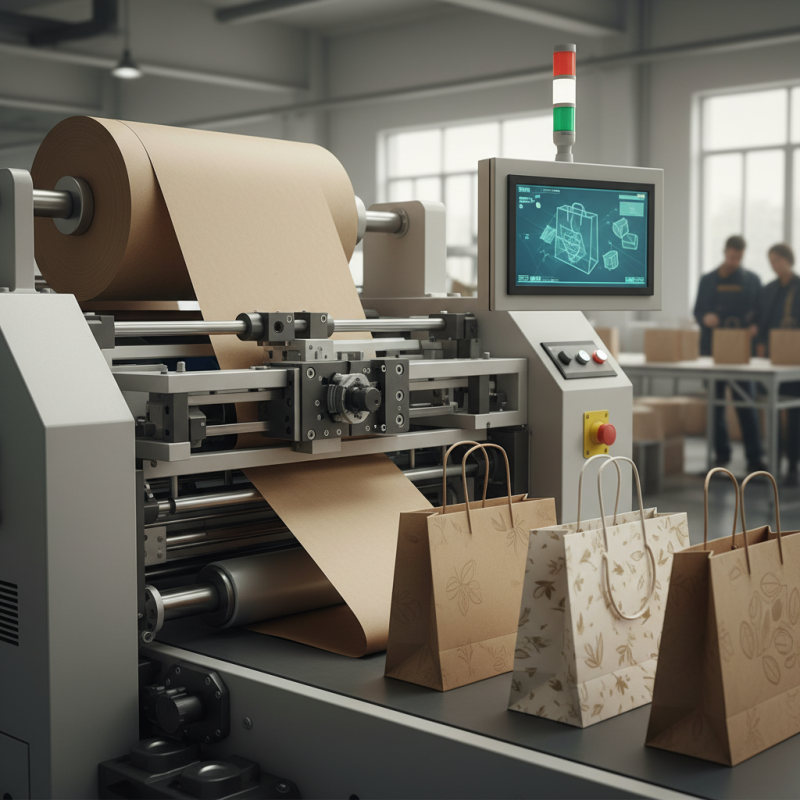
A gift paper bag machine is an essential tool in the packaging industry. It specializes in producing various types of paper bags, commonly used for gifts, retail, and promotional purposes. The machine automates the process, making it efficient and cost-effective. It can handle different paper grades, with the ability to customize sizes and designs based on customer needs.
The working mechanism of a gift paper bag machine is quite straightforward. It typically includes several components like unwinders, cutters, and glue applicators. First, the paper roll is fed into the machine. It is then cut to the required length. The machine folds the paper, applying glue to the edges to form the bag. Finally, it shapes the bag and adds handles if needed. This entire process is often completed within minutes.
While the machine offers numerous advantages, it also has its drawbacks. Regular maintenance is crucial to ensure continuous production. Operators must be trained adequately to handle the machine. If not, issues like jams or misalignments can occur, leading to waste. The machine's efficiency can vary depending on the paper type and thickness, which requires careful consideration in material selection.
Components of a Gift Paper Bag Machine
A gift paper bag machine comprises several crucial components that work cohesively to produce high-quality bags. The feed system plays a vital role in supplying the raw paper roll. It ensures the paper is fed smoothly into the machine, minimizing jams. A precise control system manages the feeding speed, contributing to consistent bag sizes.
The forming section shapes the paper into bags. It includes folding mechanisms and gluing units. These elements work together to create seams that securely hold the bag's structure. Quality control sensors are often integrated to detect any irregularities, enhancing overall product reliability. Each component's calibration affects the output, making accuracy essential.
Additionally, the printing unit can add designs or logos, increasing the bag's appeal. Proper alignment during this stage is vital; misalignment can lead to waste. Operators must monitor the machine closely, as mechanical hiccups do occur, necessitating timely adjustments. Understanding these parts is crucial for efficiency and quality in production.
The Working Principle of a Gift Paper Bag Machine
A gift paper bag machine is an advanced piece of equipment designed to produce gift bags efficiently. It operates through an automated process that starts with feeding large rolls of paper into the machine. The paper is then cut and folded into specific shapes. This part of the process requires precision to ensure that bags are not just functional but also visually appealing.
The working principle centers on several key components. First, a feeder draws the paper roll and positions it correctly. Next, cutting blades trim the paper to size. After cutting, the machine folds the paper in a way that creates the bag's body and handles. Sometimes, additional features like printing or lamination occur in-line. Operators must frequently monitor performance to prevent defects. These small adjustments can significantly impact output quality, showing that even automation requires a human touch.
Despite advancements, challenges remain. Paper jams and misalignments can happen. Operators need to troubleshoot quickly to minimize downtime. Ensuring a smooth workflow while managing these issues can be demanding. Understanding the machine’s mechanics is crucial for achieving optimal productivity. Reflecting on these experiences can lead to improved techniques and better quality bags.
Types of Gift Paper Bag Machines Available
Gift paper bag machines come in various types, each designed to meet specific production needs. The most common types include flat paper bag machines, square bottom machines, and satchel bag machines. Flat paper bag machines make simple bags from sheets of paper, often utilizing a folding and gluing process. They are efficient for producing straight bags. In contrast, square bottom machines create more stable bags with a flat base, ideal for retail. Satchel bag machines can produce bags with handles, enhancing the consumer experience.
According to industry reports, the global paper bag market is projected to reach over $5 billion by 2026, reflecting a growing preference for eco-friendly packaging. This trend emphasizes the need for versatile machines that can adapt to various designs and sizes. Companies may need to assess their production volume and design requirements before choosing a machine.
Tip: When selecting a gift paper bag machine, consider automation levels. Fully automated machines can significantly boost efficiency but may require more upfront investment. However, they reduce labor costs over time. Think about your production goals and budget. Regular maintenance is vital for machine longevity and optimal performance. Ignoring maintenance can lead to costly downtimes and repairs.
Applications and Benefits of Using Gift Paper Bag Machines
Gift paper bag machines have become essential in the packaging industry. They streamline the production of eco-friendly gift bags, which are popular for retail use. By automating the process, these machines save time and reduce labor costs. Their efficiency allows businesses to meet demand while maintaining quality.
The applications of gift paper bag machines are diverse. Retailers use them for packaging clothing, accessories, and gifts. Event organizers rely on them for promotional materials. These bags are often more sustainable than plastic options. The durability and customizable designs offer visual appeal. Companies can print logos or messages directly onto the bags, creating branding opportunities.
Using gift paper bag machines benefits the environment too. They promote the use of renewable resources. However, there are challenges. The initial investment can be high, leading some businesses to hesitate. Regular maintenance is necessary to prevent breakdowns, which can disrupt production. Balancing the costs with the environmental benefits requires careful consideration.





