Why Choose Galvanized Steel Channel for Your Construction Needs?
In the world of construction, choosing the right materials is crucial. One popular option is the Galvanized Steel Channel. This versatile product is widely recognized for its durability and strength. Using galvanized steel ensures resistance against corrosion and rust. These qualities extend the life of your structures.
Construction professionals often prefer the Galvanized Steel Channel due to its adaptability. It can be used in various applications, from framing to support systems. The protective coating enhances its lifespan, making it a reliable choice. However, not all projects require this material. Understanding the specific needs of your construction is important.
While the Galvanized Steel Channel offers many advantages, it is not without drawbacks. The initial cost might be higher than alternatives. Additionally, some may find it challenging to work with. Choosing the right materials requires careful consideration and expertise. Ultimately, the decision should align with your project’s long-term goals and budget.
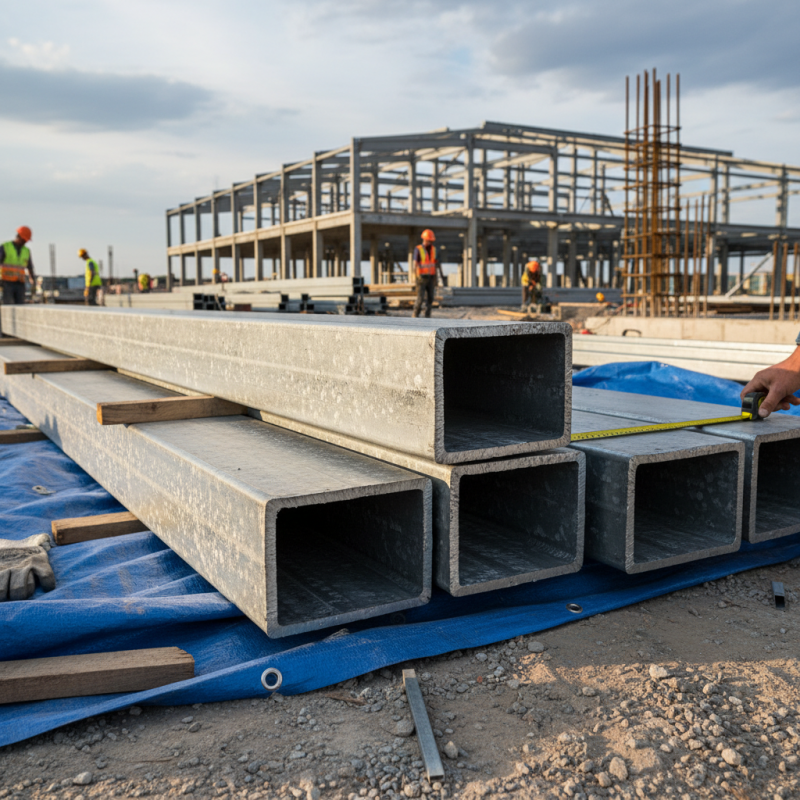
Advantages of Galvanized Steel Channel in Construction Projects
When selecting materials for construction, galvanized steel channel stands out. Its corrosion-resistant coating increases longevity and durability. This makes it ideal for both indoor and outdoor applications. Projects requiring structural support will benefit significantly from its strength. Galvanized steel channels resist rust, which is vital in humid environments. They can endure harsh weather conditions without deteriorating.
Another major advantage is their versatility. Galvanized steel channels can be easily cut, shaped, and welded. This adaptability allows for innovative design possibilities. Construction teams can use them for framing, bracing, or edging. They also provide a cost-effective solution over time. Replacing rusted materials frequently can be both expensive and time-consuming.
While the benefits are clear, some challenges exist. Galvanized steel can be heavier than alternatives. This may require more robust lifting equipment during installation. Thus, careful planning is essential. Proper handling techniques should always be employed to ensure safety and efficiency on site. Awareness of these factors can lead to better project outcomes.
Advantages of Galvanized Steel Channel in Construction Projects | Advantage | Description | Application |
| Corrosion Resistance | Galvanized steel is coated with zinc, which prevents rust and extends the lifespan of the material. | Used in outdoor structures, marine applications, and environments with high humidity. |
| Cost-Effectiveness | Longer life span and lower maintenance costs lead to reduced overall expenses for projects. | Ideal for large construction projects requiring budget efficiency. |
| Strength and Durability | Galvanized steel channels provide excellent structural support and can withstand heavy loads. | Used in framing, support beams, and various industrial applications. |
| Ease of Fabrication | Galvanized steel can be easily cut, welded, and shaped to meet specific project requirements. | Suitable for custom construction designs and alterations. |
| Environmental Impact | Galvanized steel is recyclable and contributes to sustainable building practices. | Important in green building certifications and environmentally conscious projects. |
Durability and Corrosion Resistance of Galvanized Steel Channel
Galvanized steel channels are essential for construction. They offer significant durability and corrosion resistance. This makes them ideal for both indoor and outdoor applications. Galvanization protects the steel from rust, extending its lifespan. This characteristic is crucial for structures exposed to moisture.
Corrosion can be a persistent problem in construction. Materials that corrode lead to additional costs and delays. Using galvanized steel channels mitigates this issue. They remain strong even in harsh environments. Builders and contractors often appreciate their reliability over time.
Not all galvanized steel is created equal. The quality of the galvanization process matters. Inconsistent coatings can lead to premature wear. It's important to choose materials wisely. A deeper understanding of these factors can make a significant difference in project outcomes. Investing in quality galvanized steel channels is a crucial consideration.
Cost-Effectiveness of Using Galvanized Steel Channel
When considering construction materials, galvanized steel channels stand out for their cost-effectiveness. Their ability to resist corrosion means reduced maintenance expenses over time. This is particularly valuable in harsh environments. Imagine a bridge or a building that won’t need constant repairs because of its resilient materials; that’s the promise of galvanized steel.
The initial investment in galvanized steel may be higher than other materials. However, the savings in longevity and maintenance can outweigh those costs significantly. In addition, they are versatile and can be used in various applications—from framing to support beams. This adaptability means fewer material changes throughout a project.
While some construction managers may focus solely on initial expenses, overlooking long-term benefits can be risky. Costs associated with replacement parts and repairs may accumulate over time. Choosing galvanized steel channels can be a wise investment, offering both reliability and efficiency. This material choice reflects a blend of experienced decision-making and practical knowledge in construction planning.
Versatility of Galvanized Steel Channel in Various Applications
Galvanized steel channels have become increasingly popular in construction due to their remarkable versatility. These channels can withstand harsh environments, making them ideal for both indoor and outdoor applications. From structural support in large buildings to framing for lightweight structures, galvanized steel channels serve multiple purposes effectively.
One notable advantage of using galvanized steel channels is their resistance to corrosion. This durability extends their lifespan, even in settings exposed to moisture or chemicals. For example, they are widely used in the construction of bridges and commercial buildings. However, even though they are strong, the initial cost might raise concerns for some projects. It’s essential to weigh long-term benefits against short-term expenses.
In addition to structural uses, galvanized steel channels are also employed in various industrial applications. They can support shelving units or conveyor systems, offering great flexibility for changing layouts. While it's tempting to assume that all applications will fit seamlessly, unexpected challenges may arise during installation. Each project requires careful planning and adjustment, ensuring that galvanized channels align with specific needs.
Environmental Benefits of Choosing Galvanized Steel Channel
Choosing galvanized steel channel in construction offers notable environmental benefits. This material is highly resistant to corrosion, which extends its lifespan significantly. Studies show that galvanized steel can last up to 50 years in outdoor environments, reducing the need for replacements. This longevity contributes to lower resource consumption over time.
The recycling aspect of galvanized steel further enhances its eco-friendliness. According to the American Iron and Steel Institute, over 80% of steel scraps are recycled, minimizing waste in landfills. This recycling process ensures that valuable resources are reused, supporting a circular economy. In fact, producing recycled steel uses up to 75% less energy compared to new steel production.
Additionally, the production of galvanized steel channels is relatively low in carbon emissions. The process can reduce environmental footprints significantly compared to alternative materials. However, it's crucial to recognize that not all steel production methods are equal. Some practices still face challenges around sustainability. Greater awareness and ongoing research are essential for improving those aspects.
Environmental Benefits of Choosing Galvanized Steel Channel





