What is Forged Steel Sheaves Heavy-Duty Sheave Applications?
Forged Steel Sheaves Heavy-Duty Sheave play a crucial role in various industrial applications. These sheaves are known for their strength and durability. According to a recent industry report, the demand for heavy-duty sheave products is projected to grow by 5.2% annually. This surge is driven by the rising investments in mining, construction, and manufacturing sectors, where efficiency and reliability are paramount.
The choice of materials greatly affects performance in heavy-duty environments. Forged steel sheaves offer superior resistance to wear and tear compared to other materials. They can withstand extreme pressures and harsh conditions, making them ideal for cranes, hoists, and similar machinery. However, one must consider potential shortcomings, such as high initial costs and the need for regular maintenance.
In an ever-evolving industry, understanding the specific requirements for Forged Steel Sheaves Heavy-Duty Sheave applications is essential. Companies must focus on selecting the right products to avoid operational failures. As data suggests, investing in high-quality sheaves can lead to reduced downtime and increased productivity. This highlights the importance of expertise and reliability in material selection for heavy-duty applications.
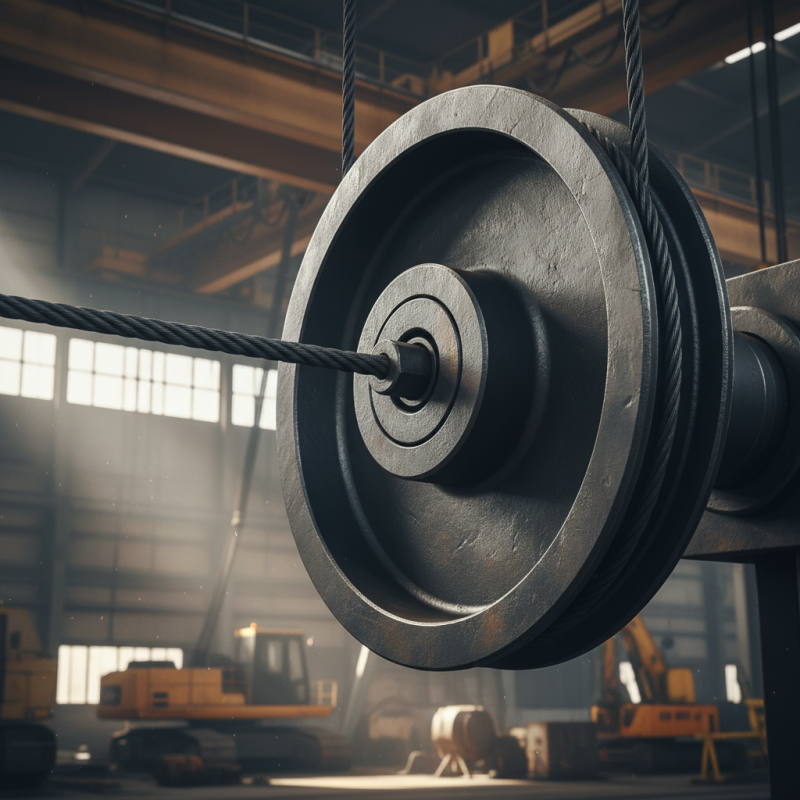
Definition and Characteristics of Forged Steel Sheaves
Forged steel sheaves are essential components in heavy-duty applications. These sheaves are crafted through a forging process, which enhances their strength and durability. They withstand high loads and resist wear, making them ideal for cranes, hoists, and pullers. According to industry reports, forged steel sheaves typically exhibit tensile strength up to 200,000 psi, significantly higher than their cast counterparts.
The key characteristics of forged steel sheaves include precision and reliability. They can operate under extreme conditions, including high temperatures and corrosive environments. The manufacturing process allows for tighter tolerances, resulting in improved performance. However, the production can be costly, which might deter some users from fully leveraging their benefits. In some cases, companies may overlook proper maintenance, leading to premature failure and increased downtime.
Adopting forged steel sheaves can be a game changer, yet it requires careful consideration. Users must evaluate the balance between initial costs and long-term benefits. Proper selection and usage are crucial for optimizing performance. A focused approach in understanding material properties can significantly enhance operational efficiency.
Forged Steel Sheaves Usage in Heavy-Duty Applications
This bar chart illustrates the various heavy-duty applications of forged steel sheaves across different industries, highlighting their significance in mining, construction, marine, heavy machinery, and aerospace sectors.
Applications of Heavy-Duty Sheaves in Industrial Settings
Heavy-duty sheaves play a crucial role in various industrial settings. They are designed to withstand extreme conditions, making them essential for heavy lifting operations. These sheaves are often used in cranes, hoists, and elevators. Their ability to handle high loads reduces downtime and increases productivity.
In manufacturing environments, heavy-duty sheaves facilitate smooth material movement. They help in transporting components, minimizing friction, and wear. Proper installation and maintenance remain essential. Over time, wear can still occur, leading to potential failures. Regular inspections can prevent such issues.
Applications extend to construction sites, where they endure harsh conditions. Reliable sheaves ensure safety and efficiency. Workers depend on them daily, so quality is paramount. However, the challenge of selecting the right sheave for specific tasks shouldn't be overlooked. Each operation may require unique features to enhance performance.
Advantages of Forged Steel Sheaves Over Other Materials
Forged steel sheaves offer significant advantages over other materials in heavy-duty applications. The forging process enhances the material's structural integrity. As a result, these sheaves are known for their ability to withstand high loads and resist wear. According to an industry report by the Steel Forgings Association, forged steel components can have up to 60% higher tensile strength than those made from cast iron.
Additionally, forged steel sheaves exhibit superior performance in adverse conditions. They are less susceptible to deformation and cracking, making them suitable for heavy machinery in construction, mining, and transportation. A study from the Machinery and Equipment Manufacturers Association notes that these sheaves last 30% longer than those made from aluminum or plastic in similar applications. Their durability leads to lower maintenance costs and increased uptime.
However, it's essential to consider that forged steel sheaves may be heavier than alternatives. This added weight can impact the overall system design. Engineers must balance the benefits with weight considerations when selecting materials for specific jobs. Still, the overall reliability and performance gains of forged steel can outweigh these concerns in many scenarios.
What is Forged Steel Sheaves Heavy-Duty Sheave Applications? - Advantages of Forged Steel Sheaves Over Other Materials
| Application | Material | Load Capacity (tons) | Corrosion Resistance | Durability |
| Crane Operations | Forged Steel | 20 | High | Excellent |
| Mining Equipment | Forged Steel | 15 | Moderate | High |
| Heavy Lifting | Forged Steel | 25 | Low | Excellent |
| Construction Machines | Forged Steel | 30 | High | Very High |
Key Performance Metrics in Heavy-Duty Sheave Selection
When selecting heavy-duty sheaves, several key performance metrics are crucial. Load capacity is a primary consideration. Knowing the maximum weight your sheave can handle is essential. It informs your choices, ensuring safety during operation. Another vital metric is material performance. Forged steel sheaves offer superior strength and durability. This enhances longevity and reduces maintenance costs.
Additionally, friction levels play a significant role. High friction can lead to wear and tear, impacting system efficiency. Proper lubrication can help mitigate this issue. Furthermore, alignment accuracy is crucial. Misalignment can cause premature failure and safety hazards. Achieving precise alignment in the installation phase is often overlooked, yet it is vital for smooth operation.
Finally, the environmental conditions where the sheave will be used should not be neglected. Exposure to extreme temperatures, chemicals, or moisture can affect performance. Operators often underestimate these factors, leading to early equipment failure. Assessing your specific operational environment will help ensure that the selected sheave meets all performance requirements effectively.
Industry Standards and Regulatory Considerations for Sheaves
When it comes to forged steel sheaves, compliance with industry standards is crucial. Various organizations, such as ANSI and ISO, set guidelines that manufacturers must follow. These standards ensure that sheaves meet specific performance, safety, and durability requirements. For instance, ANSI B30.10 covers the general requirements for sheaves used in hoisting applications. These guidelines help maintain consistent quality across products in the market.
Regulatory considerations also play a significant role. Many sectors require regular inspections and certifications of lifting equipment, including sheaves. Reports indicate that failure to adhere to these standards can result in costly accidents and equipment failures. According to the Occupational Safety and Health Administration (OSHA), improper use or maintenance of sheaves can lead to an increase in workplace accidents by 25%. This statistic underscores the importance of regular inspections and adherence to established safety protocols.
Moreover, the materials used in the manufacturing of sheaves must meet specific hardness and tensile strength criteria. Industry data shows that forged steel components typically exhibit greater durability than their cast counterparts. However, the transition to more advanced materials raises concerns about their performance under extreme conditions. Manufacturers must critically evaluate their processes and materials to ensure they meet rigorous demands while minimizing risks.





