


What Is a Food Sealer Machine and How Does It Work?

A Food Sealer Machine removes air from a package and closes it with controlled heat. This simple process can protect food from moisture, oxygen, freezer burn, and everyday handling. Open a refrigerator drawer, and the difference is easy to see: sealed chicken stays cleaner, while loose produce dries around its edges.

Dr. Robert Gravani, a respected food-safety educator and professor emeritus at Cornell University, has said, “Food safety is everyone’s responsibility.” His point matters here. A Food Sealer Machine can slow oxidation and reduce exposure, but it cannot make spoiled food safe. Users must still wash their hands, choose fresh ingredients, control storage temperatures, and follow reliable handling guidance.

The machine usually works in three stages. First, its pump draws air from a textured bag or container. Next, a heated sealing bar softens the plastic layers. Finally, pressure creates a tight seam as the material cools. Some models offer pulse settings, adjustable suction, and separate modes for dry or moist foods. Liquids can be troublesome. They may enter the pump or weaken the seal.

Good sealing requires patience. Leave space above the food. Keep the bag’s edge dry and flat. Check for wrinkles, pinholes, or trapped crumbs. A seal can look perfect and still fail later. That is an easy mistake to miss. This guide will examine how the machine works, where it helps, and where careful judgment remains necessary.
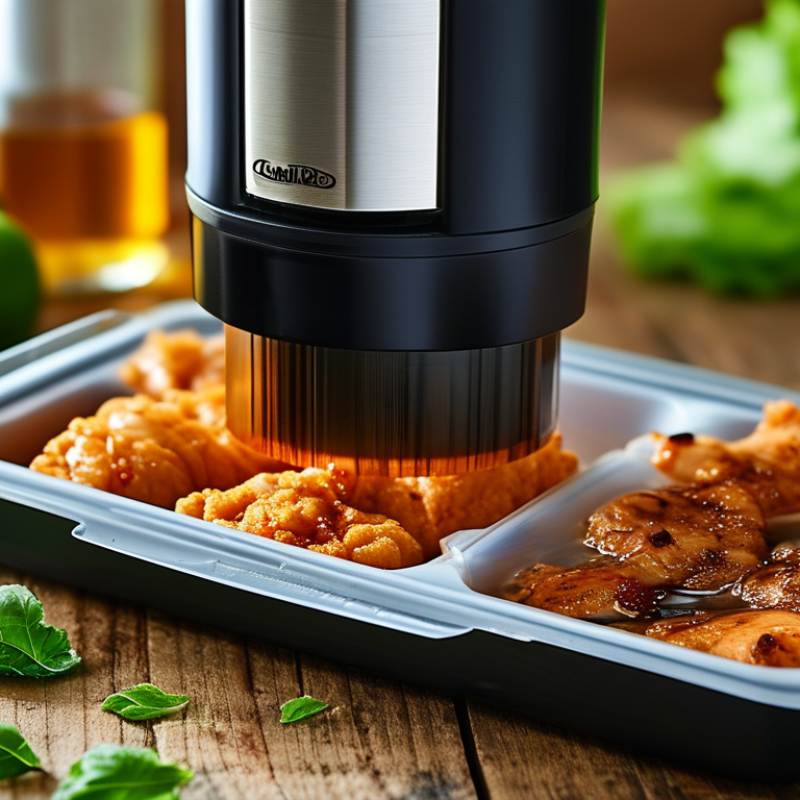
What Is a Food Sealer Machine and How Does It Work?

What Is a Food Sealer Machine?

A food sealer machine is a countertop device that closes food bags by removing air, applying heat, or using both methods. Most home models include a small pump, sealing chamber, heating strip, and control panel. The pump lowers pressure inside the bag. The heated strip then melts the plastic layers together, creating a tight closure. Some machines only seal bags without removing air. That distinction matters.

During operation, the user places the open bag edge inside the machine and starts the sealing cycle. A vacuum model draws air from the bag before sealing it. Less oxygen can slow oxidation and help preserve texture. However, sealing does not sterilize food or make spoiled food safe. Cold foods should remain refrigerated, and frozen items need proper storage temperatures. A common practical mistake is overfilling the bag. The bag must stay flat near the opening. Too much liquid can enter the pump area.

A food sealer is best understood as a packaging tool, not a preservation guarantee. It can reduce freezer burn, organize portions, and protect dry ingredients from moisture. Results depend on clean, dry sealing surfaces and suitable bag material. If the seal looks wrinkled, weak, or incomplete, cut it open and reseal it. Not every seal holds. The technology is useful, but careful handling still matters.

What Is a Food Sealer Machine and How Does It Work?

Data Dimension Description How It Works or Typical Information
Machine Definition A food sealer machine is equipment used to close food bags or pouches. It creates a sealed joint by applying heat, pressure, vacuum, or a combination of these methods.
Primary Sealing Method Heat sealing Heated sealing bars soften compatible thermoplastic layers, and pressure joins the layers as they cool.
Vacuum Function Air removal before sealing A pump removes much of the air from the bag, after which the machine heat-seals the opening.
Main Sealing Components Sealing bar, heating element, pressure surface, and control system The heating element supplies thermal energy, while the pressure surface maintains contact during sealing and cooling.
Suitable Packaging Materials Heat-sealable plastic films and laminated pouches The package must contain a sealable thermoplastic layer; ordinary paper or non-sealable materials generally require a suitable coating or liner.
Typical Applications Dry foods, snacks, coffee, frozen foods, meat, and prepared portions The machine helps close packages and can reduce exposure to moisture, air, dust, and handling contamination.
Standard Operating Sequence Position, remove air if applicable, seal, cool, and inspect The open end is placed across the sealing area, the selected cycle is started, and the finished seam is checked for continuity.
Important Controls Temperature, sealing time, pressure, and vacuum duration Correct settings depend on the packaging material, film thickness, product type, and required seal strength.
Seal Quality Indicators Continuous, even, clean, and secure seam Wrinkles, channels, burn marks, incomplete bonding, or trapped product can weaken the seal.
Effect on Shelf Life Packaging protection rather than automatic preservation Sealing may help limit air and moisture exposure, but shelf life also depends on food type, processing, storage temperature, and hygiene.
Vacuum Packaging Limitation Vacuum sealing does not make food shelf-stable Perishable vacuum-sealed foods still require appropriate refrigeration or freezing and safe handling.
Maintenance Requirements Cleaning, inspection, and replacement of wear parts Keep the sealing area clean, remove food residue, inspect sealing strips and gaskets, and follow the equipment maintenance schedule.
Key Safety Considerations Heat, electricity, sharp packaging edges, and food hygiene Avoid contact with hot sealing surfaces, keep liquids away from electrical parts, and use clean packaging practices.

What Are the Main Parts of a Food Sealer Machine?

A food sealer machine removes air from a bag and closes it with controlled heat. Its main parts work together in a short, practical cycle. The lid or sealing chamber holds the bag steady. A flexible gasket creates an airtight contact around the chamber. If the gasket is cracked, air can leak before sealing begins.

Inside the machine, a vacuum pump draws air from the bag. A hose, nozzle, or chamber opening guides that air toward the pump. The sealing bar then heats a narrow strip of the bag. This heat softens the plastic layers and presses them into one continuous seam. Many machines use a temperature sensor and timer to control this step. The control panel adjusts vacuum strength, sealing time, and sometimes cooling time. Small changes matter.

A drip tray catches liquid from moist food and helps protect the pump. Some models include pressure sensors that stop the cycle when the target vacuum is reached. In daily use, I check the sealing strip for crumbs and wipe the gasket after handling wet foods. It seems minor. It is not. A clean surface usually produces a more reliable seal. Still, no machine removes every risk of leakage. Overfilled bags, sharp bones, and wrinkled plastic can defeat good settings. I once found that stronger suction was not the answer; leaving more space above the food worked better.

How Does a Food Sealer Machine Work Step by Step?

What Is a Food Sealer Machine and How Does It Work?

A food sealer machine removes air from a specially designed bag, then closes it with heat. The process helps reduce oxidation, moisture loss, and freezer burn.

It does not sterilize food. That distinction matters.

How Does a Food Sealer Machine Work Step by Step?

Place the food inside a compatible bag, leaving several centimeters of empty space near the opening. Keep the rim dry and clean. Moisture can weaken the seal.

Lay the open edge across the machine’s sealing area, then close the lid firmly. Select the vacuum setting and start the cycle. The pump draws air from the bag.

As the plastic tightens around the food, the machine detects reduced airflow or reaches its programmed limit. It then heats a narrow strip, melting the inner layers together. The seal needs a few seconds to cool before handling.

Check the result carefully. A strong seal looks even, smooth, and continuous. Wrinkles, liquid, or trapped food may create tiny channels. Re-seal the bag if necessary.

I have found that rushing this inspection causes more failures than the machine itself. Soft foods can crush during vacuuming, so a shorter cycle or brief pre-freezing may work better.

After sealing, label the package with its contents and date. Refrigerate or freeze perishable food promptly, because reduced air does not replace safe temperature control.

What Types of Food Sealer Machines Are Available?

What Is a Food Sealer Machine and How Does It Work?

A food sealer machine closes packaging around food, reducing air exposure and moisture loss. Most models use heat, pressure, suction, or a combination of these methods. The right machine depends on food texture, packaging material, storage volume, and cleaning needs.

Heat sealers are simple choices for dry foods, snacks, and prepared portions. They melt a plastic layer and create a tight edge. Impulse sealers work in short bursts, while continuous band sealers handle repeated packaging faster. Vacuum sealers remove air before sealing. External-suction models suit everyday home use, but soft foods can shift during suction. Chamber vacuum sealers place the entire bag inside the chamber. They provide steadier pressure and work better with liquids. Tray sealers close preformed containers and are useful for meals, produce, and portioned foods. Some machines also support modified-atmosphere packaging, but that process requires careful technical control.

Tips: Choose heat-compatible bags, not ordinary thin plastic. Wipe the sealing strip after use. Leave enough space above the food. Liquids should be chilled or partly frozen before vacuum sealing. A failed seal is not always obvious, so check for loose edges and trapped debris. I have found that stronger suction is not always better; delicate bread and berries may crush easily. Packaging can also look secure while holding a tiny channel of air. Refrigerate or freeze sealed food promptly, and follow safe storage times rather than trusting the package alone.

What Foods Can Be Sealed and Stored?

A food sealer machine removes air from a specially designed bag, then closes it with heat. Less oxygen can slow oxidation, freezer burn, and moisture loss. In practical kitchen use, sealed food often keeps its texture better than food wrapped loosely. However, sealing does not make food shelf-stable. Perishable items still need prompt refrigeration or freezing.

Many foods work well with this method. Raw meat, poultry, fish, hard cheese, cooked grains, coffee, nuts, and dry snacks are common choices. Firm vegetables, such as carrots and broccoli, can also be sealed after brief blanching. Soft fruits may crush under pressure, while sharp bones can puncture the bag. Wet foods need extra care. Freeze soups, sauces, or berries first, then seal them when solid. I sometimes skip this step, and the liquid can be pulled toward the machine.

Tips: Pat food dry before sealing. Leave enough space above the contents for a strong seal. Label each package with its name and date. Store chilled food below 4°C, and freeze it for longer storage. Never rely on a vacuum seal alone to judge freshness. If the package smells unusual, swells, leaks, or feels warm, discard it. Sealed garlic, mushrooms, or cooked foods also deserve caution because low-oxygen storage can create safety concerns. My own habit is imperfect: I occasionally forget the label, then regret guessing how old the food is.

What Is a Food Sealer Machine and How Does It Work?

A food sealer removes air from a pouch and heat-seals it to help reduce oxidation, freezer burn, and moisture loss.

Typical freezer storage for best quality

The chart shows approximate months for vacuum-sealed foods stored continuously at 0°F (-18°C) or below. Vacuum sealing helps preserve quality, but it does not replace safe cooking, refrigeration, or freezing practices. Storage periods are based on commonly published food-safety guidance and refer mainly to quality rather than safety.

Powder Coat Booths

For those larger-sized parts, or smaller quantity runs, we have 2 independent powder coat booths and ovens. The quality, durability and affordability of today’s powder coating finishes make this the process of choice for world-class companies.

Powder coating advantages over other forms of coating are many. Materials used in the Powder coating process can be metals and non-metals that come in a multitude of thicknesses, textures, colors, etc. Another of Powder coating’s biggest advantages over conventional coatings is its ability to create finishes in many different textures. Powder Coating Booths allow us the ability to apply these advantages to large products.

Wet Paint Line

Tri-State Fabricators runs a full-service conveyor line for painting. Wet painting can provide protection or decoration to many different part styles. From start to finish, every project is easier to undergo random and point-based inspection by our skilled painting team.

Advantages to our Wet Paint Line are these lines start with product prep and ends with a thorough inspection of a high quality finished product. Our ability to complete large and small projects with a superior finish and doing so in a timely and economical fashion. This passes along the savings in production to our customers. When powder coating ins not an option, our Wet Paint Line gets the job done right the first time.

Wet Paint Booths

When the parts get big and heavy we roll-out our custom paint racks and oversize booth. By utilizing our partnerships with all the major paint brands, we can match virtually any color with wet paint.

The advantages of having access to a Wet Paint Booth are many. Large projects of many different shapes can be loaded into the booth. The Wet Paint Booth offers an environment that is much more controlled than a typical parts painting operation.

Not only are they used because of their controlled environment, but they’re are also advantageous when it comes to applying paint to parts that are needed in industries that require specialty coatings such as medical, aerospace, etc.

Military CARC

Our military forces have some very high standards when it comes to the finish of their vehicles and equipment. From the first pre-treatment step to final coat, it takes a great deal of knowledge and experience to protect the men and women of our armed forces. They deserve only the best, and Tri-State Fabricators provides it.

All of our processes are closely monitored by our staff and management teams. Both of which are highly trained in the processes of metal fabrication and finishing. Tri-State Fabricators’ goal is to always fully satisfy each and every customer, including the military. We will always put a 110% into what we do.

Glass-Bead Blasting

Abrasive media blasting is an excellent way to remove old paint, rust, and increase the paint/powder adhesion. Glass beads produce a much smoother and brighter finish than angular abrasives; leaving the part clean yet without any dimensional change. Chemically inert and environmentally friendly, we can recycle our beads approximately 30 times; making them a more preferred method of metal cleaning or surface finishing.

Advantages to Glass Bead Blasting are many. Glass bead blast media is used when a project is needing rough surfaces need to become smooth for applications of coatings such as paint. It is typically used to clean paint and rust from a product surface without deforming the surface it is being used on. Overall, compared to many other blasting media, Glass Bead Blasting is a very economical choice and those savings are always passed on to our customers.

Part Washing

Tri-State Fabricators utilize a zinc phosphate wash to clean and etch the material to ensure the best paint adhesion possible. The unique design of our 3-stage wash system does the work like a 5-stage. From Cleaning and rinsing to conversion coating and post-treatment, Our Part Washing process is a complete service and works throughout the fabrication service and the finishing service.

Along with the previously mentioned benefits, Curing is a vital chemical reaction that leaves the product finish hard and relatively safe from mild abrasion and aggressive corrosion. This process can be done in more than one way; ambient air-dry or in curing ovens at temps that exceed 240°.

Burn-Off Oven

From fixing paint mistakes (someone else’s of course) to simply cleaning our paint line hooks, our burn-off oven is put to good use. After a quick burn-off, a little clean up, and a fresh coat of paint, your parts will look better than new.

Why does our Burn-Off Oven work so well? Because super heating the air around parts turns the materials into ashes. From paint and powder coatings to rubber and machining oils, high temps do the job without degrading the integrity of the part.

Masking

Masking is a vital part of producing high quality products. We have die-cut masking patterns to protect machined surfaces as well as a wide range of plugs and caps to protect threaded holes and bolts. We provide permanent and temporary masking.

Masking allows the selected sections of a product to be protected from a fabrication or finishing service. This can be with both chemicals when etching and tapes, paints when only finishing just a section of the product. Masking is great in aiding the customization process of a project.

Screen Printing

Screen printing is a photographic process that transfers artwork onto a porous nylon screen which allows colored ink to flow through the screen and be deposited on an aluminum or plastic component. We can generally have just about any design created onto a screen for your parts.

Some of the advantages of Screen Printing are, brand recognition for your business displaying on your products, assembly instructions, product warnings/hazards, etc. Tri-State Fabricators produces Screen Printing of the highest quality so you know it’s durable.

Metal Finishing

Metal Finishing is the art of treating the exterior portion of product, often metal but can also be made of other materials, so that the surface is clean and free of any debris. Then the process of applying coats or either paint of powder coat takes place. This coating process improves the quality of the product in both appearance and resistance to wear and corrosion.

Tri-State Fabricators, Inc., understands that a project typically isn’t complete until a high-quality finish has been added to your product. This is why our painting and powder coating teams continuously inspect the products throughout the Metal Finishing process.


