What is a Float Ball Valve and How Does it Work?
A Float Ball Valve is a crucial component in various fluid control systems. It operates on a simple yet effective principle. The valve uses a floating ball that rises and falls with fluid levels. This mechanism ensures reliable opening and closing, making it a favorite in many applications.
Understanding how a Float Ball Valve works is essential for effective maintenance and operation. These valves can fail if not properly cared for. Factors such as improper installation or corrosive fluids can lead to issues. Regular inspection of the valve’s components, including the ball and seat, is vital to maintain function.
Many engineers appreciate the durability of Float Ball Valves. However, not all applications suit this type. Selecting the right valve requires knowledge of both the medium and environmental conditions. Balancing performance with the right specifications can be challenging. By understanding these nuances, users can ensure better efficiency and longevity of their systems.
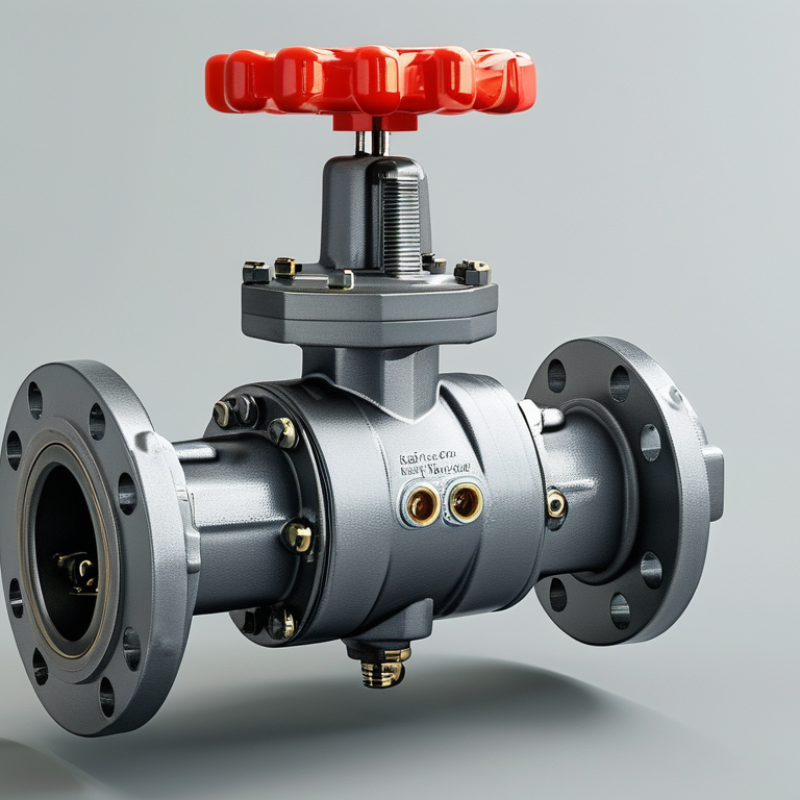
What is a Float Ball Valve?
A float ball valve is a type of valve used to control the flow of liquids. Its simple design effectively regulates the level of fluid in a tank or reservoir. The main component, the float ball, rises and falls with the liquid level. When the liquid rises, the float also goes up, eventually sealing the valve shut. This prevents overfilling and spills, ensuring safety and efficiency in various applications.
These valves are used in numerous settings, from water tanks to aquariums. They operate without the need for complex electronics or power sources. However, they can be prone to malfunction if debris clogs the float mechanism. Regular maintenance is essential to ensure smooth operation. Users should periodically check for wear or buildup. This easy yet effective technology reflects both simplicity and reliability, although it requires diligent upkeep to function optimally.
Principle of Operation of a Float Ball Valve
A float ball valve is an essential device in many fluid management systems. This valve operates using a simple yet effective principle. The ball inside the valve floats on the surface of the fluid. When the fluid level rises, the ball moves upward. This movement can open or close the valve, controlling fluid flow effectively.
The principle of operation is straightforward but crucial. When the fluid level decreases, the ball sinks, closing the valve. This helps prevent overflow and ensures consistent fluid levels in tanks. The design is intuitive, allowing easy maintenance and reliability. However, issues can arise. For example, debris may prevent the ball from sealing properly, leading to leaks. Regular checks can help mitigate these problems.
Additionally, float ball valves are not immune to wear over time. The material of the ball and the surrounding seat needs to be durable. Real-world conditions can affect performance. In some cases, the float mechanism might become less responsive due to corrosion. Understanding this nuance is vital for effective operation and maintenance.
What is a Float Ball Valve and How Does it Work? - Principle of Operation of a Float Ball Valve
| Feature | Description |
| Type | Float Ball Valve |
| Principle of Operation | Utilizes a floating ball that moves up and down in response to fluid pressure, controlling flow. |
| Common Applications | Water systems, HVAC systems, industrial processes, and chemical processing. |
| Materials | Typically made from brass, stainless steel, or plastic for durability and corrosion resistance. |
| Advantages | Simple design, low maintenance, effective for controlling flow in various applications. |
| Disadvantages | Limited to on/off control; may be less effective in low-pressure situations. |
| Installation Requirements | Should be installed in a horizontal position with proper alignment and support. |
| Maintenance | Periodic inspection for leaks; cleaning may be required to prevent blockage. |
Components of a Float Ball Valve
A float ball valve is a simple yet effective device used to control fluid flow in various applications. Understanding its components is vital to grasp how it operates. At the core of a float ball valve is the float ball itself. Typically made of plastic or stainless steel, this spherical object moves up and down with the fluid level. As the liquid rises, it lifts the ball, which then seals against the valve seat, stopping further flow.
Another critical component is the valve body. This often stainless steel structure houses both the float and the valve seat. It provides a sturdy framework essential for maintaining high pressure and preventing leaks. A sealing mechanism, usually an O-ring or gasket, is also vital. This ensures that no fluid escapes when the valve is closed. The simplicity of these components belies their importance.
Finally, the lever arm connects the float ball to the valve seat. It translates the float's movement into action, opening or closing the flow path. While these components work seamlessly together, it's crucial to periodically inspect them for wear and tear. A small crack or a worn-out seal can lead to significant issues over time. Understanding these aspects can enhance reliability in fluid control systems, ensuring they function as intended in various environments.
Common Applications of Float Ball Valves
Float ball valves are essential components widely used in various industries. Their primary role is to regulate the flow of liquids. By using a buoyant ball that rises and falls with the liquid level, they effectively open or close the valve. This mechanism is reliable and allows for efficient management of flow in many applications.
In water treatment facilities, float ball valves manage the levels in storage tanks. According to a report by the American Water Works Association, about 80% of water utilities use these valves due to their simplicity and cost-effectiveness. Similarly, in agricultural irrigation systems, these valves help maintain consistent water levels, thereby optimizing water usage. Over time, improper maintenance can lead to failures. This highlights the need for regular inspections and proactive upkeep to ensure proper functioning.
Float ball valves also find applications in fish farming and aquaculture. Maintaining stable water levels is crucial for aquatic life. Studies show that consistent water quality improves fish health by up to 30%. However, these systems can be vulnerable to debris accumulation, which affects their performance. A well-designed maintenance schedule is necessary to prevent such issues, ensuring the longevity and reliability of the float ball valves in these critical settings.
Advantages and Disadvantages of Float Ball Valves
Float ball valves are widely used in various industries. They offer several advantages that make them popular. One significant advantage is their simplicity. These valves can be easily installed and maintained. The design is straightforward, which minimizes the risk of failure. They can handle a wide range of liquids and gases without issues.
However, float ball valves have their disadvantages. They can be less effective in high-pressure situations. In such cases, they may not seal properly. This leads to potential leaks. Additionally, these valves can be sensitive to sediment buildup. Over time, debris can affect their performance. Operational challenges may arise, especially in environments with fluctuating temperatures.
Considering the pros and cons is vital. The choice of using float ball valves often depends on specific applications. Understanding when to use them is crucial. They may work well in some systems, but not in others. This requires careful evaluation of the operational environment. Adjustments may be needed for optimal functionality.





