Flat Steel Buying Tips for Global Sourcing Success?
When it comes to global sourcing, buying flat steel can be a daunting task. Experts like Dr. Emily Wong, a renowned consultant in the flat steel industry, emphasize the importance of thorough research. She once said, "Understanding market dynamics is key to sourcing flat steel effectively." In today's interconnected world, the flat steel market is influenced by various factors, including supply chain issues and geopolitical tensions.
Sourcing flat steel requires careful consideration of both quality and price. Buyers must evaluate suppliers not just on cost, but also on their reputation and delivery capabilities. Reliability often trumps the lowest price. The risk of dealing with an unreliable supplier can lead to increased costs and delays. A recent trend shows that buyers are now focusing more on long-term partnerships rather than one-off transactions.
Fluctuating market prices pose another challenge. Buyers often need to adapt quickly to these changes. The ability to align purchasing strategies with market trends is crucial. Furthermore, reflecting on past experiences can provide valuable lessons. Mistakes in sourcing and decision-making should be analyzed to enhance future strategies in the flat steel market. This approach fosters a deeper understanding of how to navigate the complexities of global sourcing successfully.
Understanding Flat Steel Types and Specifications for Sourcing
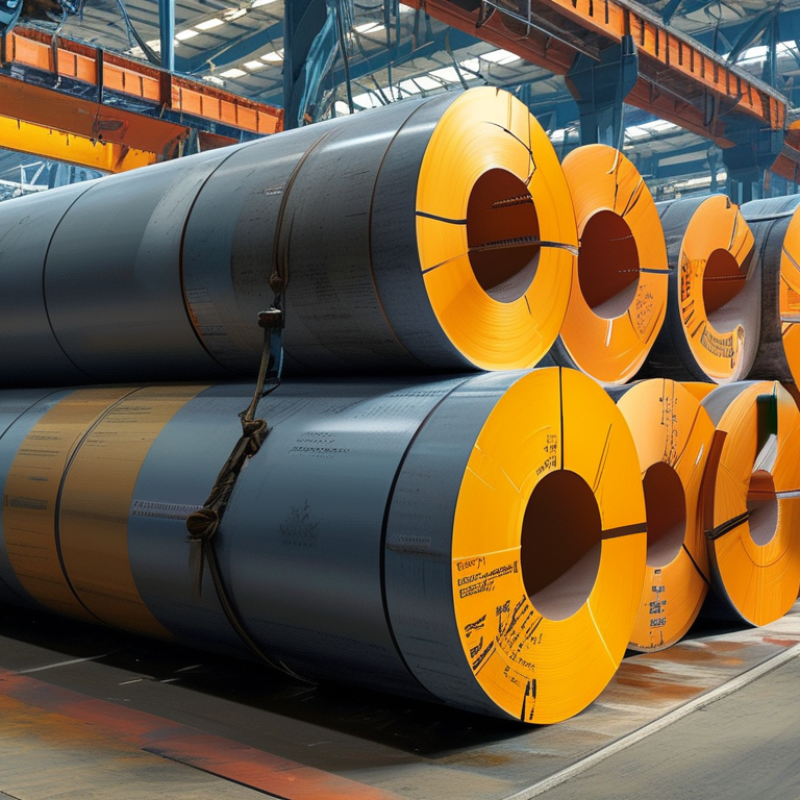
When sourcing flat steel, understanding the types and specifications is vital. Flat steel comes in various forms, such as sheets, plates, and coils. Each type has specific applications. For instance, sheets are often used in automotive production, while thicker plates are common in construction.
Specifications like thickness, width, and coatings are essential. Different industries require different standards. A common measurement for sheets is thickness, ranging from thin (0.5mm) to thick (20mm) options. Coatings like galvanization protect against rust, extending longevity. However, selecting the wrong coating can lead to issues like corrosion in certain environments.
Beyond technical specs, assess suppliers’ reliability. Research their certifications and past performance. An ideal supplier invests in quality control processes. This ensures that you receive products that meet your specifications consistently. Reflecting on supplier relationships can reveal potential weaknesses, guiding better choices for future sourcing endeavors.
Flat Steel Buying Tips for Global Sourcing Success
| Flat Steel Type | Specifications | Common Uses | Thickness Range (mm) | Finish Type |
| Hot Rolled Steel | ASTM A36, S235 | Construction, Automotive | 3-40 | Bare, Oiled |
| Cold Rolled Steel | ASTM A1008 | Appliances, Furniture | 0.2-3.0 | Galvanized, Painted |
| Galvanized Steel | ASTM A653 | Roofing, Fencing | 0.5-12.0 | Zinc Coated |
| Stainless Steel | ASTM A240, AISI 304 | Food Industry, Medical | 0.3-6.0 | Polished, Matte |
Identifying Reliable Global Suppliers for Flat Steel Products
Identifying reliable global suppliers for flat steel products can be challenging. Start by thoroughly researching the companies you consider. Utilize platforms like global trade websites for supplier reviews. Look for suppliers with established reputations and positive feedback. Communication matters—ensure they respond quickly and clearly.
Next, evaluate their stability. Check financial history and years in business. A long track record suggests reliability. Consider requesting references from past clients. Trust comes from transparency. Inspect certifications and compliance with industry standards. Brief factory visits, if possible, offer invaluable insights.
Be mindful of potential red flags. Aggressive pricing may indicate quality issues. Also, be cautious of suppliers who promise exceptionally fast delivery without solid logistics. Sometimes, delays expected in production are overlooked. Ultimately, fostering strong relationships with trustworthy suppliers is vital. Regular follow-ups and open dialogues can help strengthen your ties. This proactive approach aids in navigating the complexities of global sourcing.
Evaluating Quality Standards and Certifications in Flat Steel
When sourcing flat steel globally, evaluating quality standards and certifications is crucial. These benchmarks ensure that the steel meets specific requirements for durability and reliability. Knowing the right standards can save time and resources.
Quality certifications like ISO and ASTM reveal much about a supplier's processes. They indicate adherence to international norms. However, not all suppliers prioritize these certifications equally. Some may claim compliance without adequate proof. It’s wise to request documentation directly. Verifying the credibility of these claims can prevent future complications.
Here are some useful tips: Always research potential suppliers thoroughly. Check their history with quality issues. Visit their facilities if possible; seeing processes firsthand offers significant insights. Additionally, consider engaging with third-party inspectors. They provide unbiased evaluations that can highlight any red flags. This extra layer of scrutiny can be invaluable.
Navigating Pricing Strategies and Cost Factors in Flat Steel Buying
Navigating the flat steel market requires an understanding of pricing strategies and various cost factors. Recent industry reports indicate that flat steel prices have fluctuated significantly, with an average increase of 15% over the last year. Such variability can be influenced by global supply chain disruptions and regional demand spikes.
For buyers, a comprehensive approach to cost analysis is essential. Consider meeting with multiple suppliers to gauge pricing variations. Many suppliers report that shipping costs now account for up to 30% of total costs. Buyers should also factor in the environmental impact fees as regulations tighten globally. Negotiating long-term contracts can hedge against unexpected price spikes.
Experts recommend closely monitoring raw material markets. The demand for steelmaking inputs like iron ore and scrap steel can affect prices. Market analysts predict continued volatility in the flat steel sector, urging buyers to remain agile in their sourcing strategies. Regularly revisiting pricing agreements may reveal opportunities for savings. Each market shift presents both challenges and opportunities that require a keen eye and timely decision-making.
Logistics and Supply Chain Considerations for Flat Steel Acquisition
When sourcing flat steel globally, logistics and supply chain management are crucial. The complexity of international shipping can impact costs significantly. Understanding tariffs, duties, and shipping times is essential. Each country has different regulations that affect imports. Ignoring these can lead to delays and increased expenses.
One important aspect is choosing the right shipping method. Air freight is fast but expensive. Meanwhile, sea freight is cost-effective but slow. Assessing your needs will guide your decision. Moreover, collaborating with reliable freight forwarders can enhance your supply chain efficiency. They bring valuable expertise in navigating customs and regulatory requirements.
It's also vital to establish strong communication with suppliers. A disconnect can lead to misunderstandings about delivery schedules and product specifications. Regular updates help ensure alignment. Be mindful of potential cultural differences that may affect negotiations. Adapting to various communication styles can foster better relationships. Flaws in a supply chain often result from a lack of clarity. Staying engaged can minimize these risks.





