Flat Face Hydraulic Coupling Buying Guide for Global Suppliers?
When selecting a Flat Face Hydraulic Coupling, it's essential to understand the various options available. These couplings feature a unique design that minimizes fluid loss and enhances safety. Global suppliers offer a wide range of these products, each with distinct characteristics. Factors such as material, size, and pressure rating are crucial for optimal performance.
It is important to research suppliers thoroughly. Evaluate their expertise and customer reviews. A reliable supplier demonstrates a deep understanding of hydraulic systems. This knowledge ensures the coupling's compatibility with your specific needs. Engaging with suppliers who provide detailed specifications can prevent costly mistakes.
Considering different applications is also vital. Not all Flat Face Hydraulic Couplings are created equal. Each application may require a specialized coupling for maximum efficiency. Take the time to reflect on your requirements. This careful consideration can lead to better decision-making and an ideal coupling choice.
Understanding Flat Face Hydraulic Couplings: An Overview
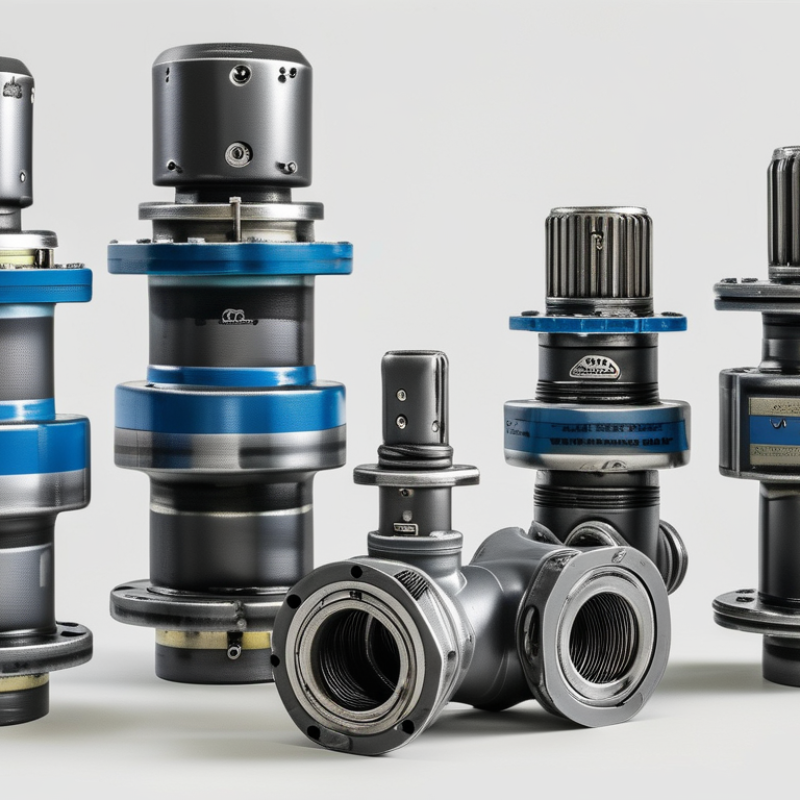
Flat face hydraulic couplings are vital components in hydraulic systems. They connect hoses and pipes securely, ensuring fluid transfer without leaks. Their design allows for a flat surface to create a tight seal when connected. This feature minimizes the risk of contamination. Dirt and moisture often compromise the performance of hydraulic systems; flat face couplings help prevent this.
Understanding the advantages of flat face couplings is essential. They reduce the likelihood of hydraulic fluid loss, which can lead to costly repairs. Additionally, these couplings are easy to clean, making maintenance more manageable. Users benefit from their durability, as they withstand high pressure and harsh environments. However, users must remain vigilant about connection integrity, as wear over time can create issues.
Selecting the right flat face hydraulic coupling involves considering specific needs. Factors like pressure ratings, compatibility with existing systems, and environmental conditions are crucial. Investing in quality components can yield long-term benefits. Users should not overlook regular inspections and maintenance to ensure optimal performance. Balancing cost and quality remains a challenge in purchasing decisions. Striving for informed choices is essential for reliable hydraulic operation.
Key Features to Consider When Buying Flat Face Hydraulic Couplings
When selecting flat face hydraulic couplings, several key features should be considered. Firstly, ensure compatibility with your hydraulic system's pressure and flow requirements. According to industry reports, couplings should withstand pressures up to 5000 PSI in demanding environments. This strength reduces the risk of failures, enhancing operational reliability.
Material durability is another essential factor. Most couplings are made from stainless steel or other high-grade alloys, which resist corrosion and wear. Studies indicate that couplings made from superior materials can significantly prolong lifespan, sometimes outperforming cheaper alternatives by up to 40%. However, balancing cost and quality is a challenge that many suppliers face.
Additionally, focus on ease of connection and disconnection. Flat face couplings are designed for quick and clean engagements. This feature minimizes spills, improving safety. Despite their advantages, many users report difficulty with alignment in tight spaces. Finding a coupling that simplifies this process can lead to better productivity in the long run.
Supplier Selection Criteria for Global Flat Face Hydraulic Couplings
When selecting global suppliers for flat face hydraulic couplings, certain criteria stand out. Quality of materials is crucial. Suppliers should provide certificates confirming the compliance of materials with ISO standards. Various reports indicate that up to 30% of coupling failures arise from inferior material quality. This emphasizes the need for rigorous checks during the supplier selection process.
Another important factor is the supplier’s manufacturing capabilities. Suppliers should utilize advanced technologies, such as CNC machining. This ensures precision and enhances performance. It is essential that suppliers can demonstrate their capacity to scale production without compromising quality. According to industry research, approximately 25% of suppliers do not meet modern production standards.
Additionally, the supplier’s reputation in the market should be considered. Engaging with past customers can provide insights into reliability and service levels. Even companies with strong reputations can fall short in customer support. A supplier’s after-sales service is a reflection of their overall dedication to quality. Potential buyers should approach this aspect critically. Evaluating suppliers involves looking beyond price, focusing instead on overall value and long-term relationships.
Common Applications and Industries Using Flat Face Hydraulic Couplings
Flat face hydraulic couplings are widely used across various industries due to their reliability and efficiency in fluid transfer. These couplings minimize fluid loss and contamination, which is essential for maintaining system integrity. According to a market analysis report, the hydraulic coupling sector is projected to grow at a CAGR of 5% by 2026, highlighting the increasing demand for these components.
One common application of flat face hydraulic couplings is in agriculture. They facilitate quick connections and disconnections in equipment like tractors and harvesters, ensuring minimal downtime. Additionally, in the construction industry, these couplings are used in heavy machinery, where efficient hydraulic systems are crucial for operations. A survey indicated that nearly 60% of hydraulic component failures occur due to poor connections and leaks, underscoring the importance of using high-quality couplings.
Another notable application is in the aerospace sector, where precision is paramount. Flat face couplings help maintain the performance of hydraulic systems, which are critical for the safe operation of aircraft. However, not all industries prioritize coupling quality, which can lead to operational inefficiencies. The challenge lies in educating suppliers about the benefits of investing in robust hydraulic solutions. Ensuring that these parts meet industry standards remains key for long-term success.
Maintenance Tips for Extending the Lifespan of Hydraulic Couplings
Hydraulic couplings play a crucial role in various industrial applications. Maintaining them properly can significantly extend their lifespan. Regular inspections should be performed to identify signs of wear, such as corrosion or leaks. According to a recent report from the International Council on Mining and Metals, improper maintenance practices can shorten the lifespan of hydraulic systems by up to 30%.
Changing the hydraulic fluid routinely is essential. Contaminated fluid can severely affect performance. Industry data indicates that around 70% of hydraulic system failures are due to fluid contamination. Keeping the fluid clean and at the appropriate level enhances reliability and efficiency. Additionally, ensuring that all connections are tight can prevent leaks and potential damage.
Operators should also consider environmental factors. Exposure to extreme temperatures can affect the integrity of hydraulic couplings. In fact, research shows that operating temperatures beyond the recommended range can halve the lifespan of hydraulic components. Regular environmental assessments can help in maintaining optimal conditions for hydraulic couplings. Proper training can lead to informed decisions regarding maintenance schedules and practices.
Flat Face Hydraulic Coupling Buying Guide for Global Suppliers
| Dimension | Material | Pressure Rating (bar) | Temperature Range (°C) | Application | Maintenance Tips |
| 1" (25mm) | Steel | 250 | -20 to 100 | Construction | Regularly check for leaks; clean surfaces before connection. |
| 1.5" (38mm) | Aluminum | 200 | -30 to 80 | Agricultural | Inspect seals regularly; avoid over-tightening during assembly. |
| 2" (50mm) | Brass | 300 | -20 to 120 | Mining | Keep dry; lubricate threads; replace worn components. |
| 0.75" (19mm) | Composite | 150 | -10 to 70 | Robotics | Avoid UV exposure; check for surface cracks. |





