Top Flange Types for Global Buyers What to Consider?
In the world of industrial manufacturing, the choice of Flange Type is crucial. Flanges link components in piping systems, tanks, and other equipment. According to a recent report by Technavio, the flange market is projected to grow by 5.2% annually through 2025, highlighting their significant role in global industries.
Selecting the right flange type requires an understanding of material compatibility, pressure ratings, and connection methods. Common flange types include weld neck, slip-on, and blind flanges, each serving specific applications. The American Society of Mechanical Engineers (ASME) provides standards that help ensure proper usage and reliability. However, it is essential to recognize that miscalculations can lead to failures, costly repairs, and safety hazards.
Despite having access to substantial data, many buyers can struggle to make informed choices. This often stems from an oversimplification of flange specifications or a lack of clear guidelines. It signals the need for buyers to seek expertise and delve deeper into material properties and manufacturing processes. Ignoring these factors can result in unforeseen operational challenges, underscoring the complexity of selecting the right flange type in a globalized market.
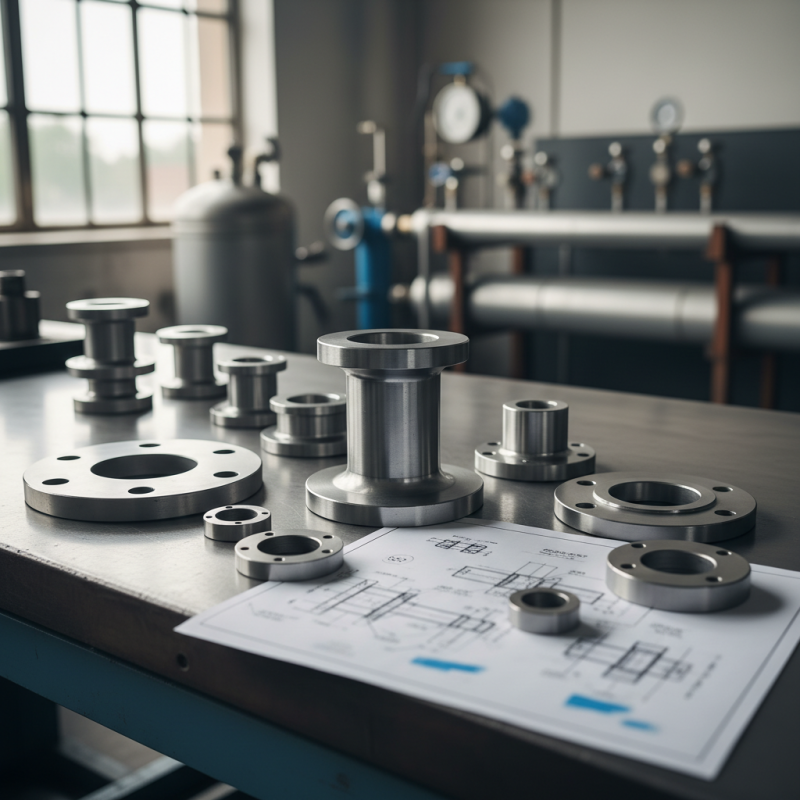
Top Flange Types: An Overview of Common Designs and Applications
Flanges play a crucial role in piping systems across various industries. Understanding different flange types helps buyers make informed decisions. Common designs include weld neck, slip-on, and blind flanges. Each type has unique applications and is suited for specific conditions.
Weld neck flanges are ideal for high-pressure systems. Their gradual transition from pipe to flange provides strength. Slip-on flanges, on the other hand, are easier to install. They require less precision during fabrication. Blind flanges seal the end of a pipe. They are vital for maintenance and testing.
While standards exist for flange types, variations can lead to issues. Not all designs function well under certain conditions. Buyers must assess the environment. Temperature and pressure ratings are critical factors. Material selection also affects performance. It’s essential to evaluate project requirements thoroughly. Flange selection can significantly impact system reliability.
Material Selection for Flanges: Steel, Stainless Steel, and Beyond
When selecting materials for flanges, the choice often narrows down to steel, stainless steel, and other alloys. Each material features unique properties that directly impact their performance and reliability. For example, carbon steel flanges offer excellent strength and durability, making them ideal for high-pressure applications. They are widely used in oil and gas industries, where pressure management is paramount. In comparison, stainless steel flanges resist corrosion and oxidation. According to industry reports, the demand for stainless steel has been rising steadily, largely due to its versatile applications in food processing and chemical industries.
Every project has distinct requirements. If your environment is prone to corrosive elements, opting for stainless steel may be imperative. Conversely, carbon steel may be sufficient for less aggressive scenarios. These decisions could drastically affect the longevity of the installation. It is crucial to assess both current and future conditions the materials will face, ensuring they align with operational needs.
Tip: Always consult product data sheets for stress ratings and corrosion resistance. This ensures that you have the right material tailored for your operational environment. For projects requiring more specialized flanges, consider exotic alloys. They may offer superior performance but often come with higher costs. Reflecting on the balance between cost and durability is essential for maximizing investment in flange materials.
Key Standards and Specifications for Global Flange Buyers
When considering flange types, understanding key standards and specifications is crucial for global buyers. The American National Standards Institute (ANSI) and the European Committee for Standardization (CEN) provide guidelines that ensure interoperability and safety. Recognizing the importance of dimensions, pressure ratings, and material types helps streamline the selection process. Flanges are available in various forms including slip-on, weld neck, and blind, each serving unique applications.
Tips: Always double-check compatibility with existing systems. This minimizes installation issues.
Quality assessments are critical. Buyers should verify certification and testing protocols of the flanges. Flanges must meet specific pressure-temperature ratings, especially for high-stress environments. Ensure materials are suitable for the intended service, considering factors like corrosion resistance and strength.
Tips: Research sourcing options. Opt for suppliers with industry certifications. This adds a layer of reliability.
Do not overlook the importance of proper documentation. Compliance with ASTM, ASME, or ISO standards can make a significant difference. Misunderstanding specifications may lead to costly errors. In some cases, detailed specifications are necessary to understand the precise attributes of flanges.
Performance Considerations: Pressure Ratings and Temperature Limits
When selecting flange types, pressure ratings and temperature limits are crucial. They determine the flange's performance in various applications. Operators must match the flange's specifications with their system requirements. High-pressure environments require specially rated flanges. Lower-rated flanges might fail under stress.
Temperature limits also play a significant role. Flanges should withstand the operating temperature of the system. For example, if a system runs at extreme heat, the flange material must resist deformation. Additionally, some materials weaken at elevated temperatures. Users need to check each flange's rating to avoid unexpected failures.
A mismatch between pressure ratings and temperature limits can lead to issues. Sometimes, flanges rated for high pressure may not tolerate high temperatures well. This can cause leaks or ruptures. Proper assessment and testing can reduce risks. Considerations of materials and operating conditions are complex. It's essential to have a clear understanding before making decisions.
Cost Factors and Economic Impact of Flange Manufacturing Methods
Flange manufacturing involves various methods, significantly impacting cost. Factors such as material type, production scale, and technology choice dictate the overall price. According to a report by the International Federation of Purchasing and Supply Management, raw material costs constitute nearly 40% of the total production expenses. Moreover, advanced manufacturing techniques can lead to efficiency but might require higher upfront investments.
Consider electric fusion welding versus traditional methods. The former often yields better joint integrity and faster production cycles. However, its initial setup cost may deter smaller manufacturers. Consequently, a careful evaluation of budget and capability is crucial. Choosing the right method directly influences both quality and economic sustainability.
Tip: Engage with industry experts to better understand nuances in production methods. Their insights can help avoid costly mistakes. Regularly assess market trends to adapt your strategies effectively. Additionally, do not underestimate the potential for waste reduction by optimizing processes. Every proportion saved can enhance your margins and boost competitiveness.
Top Flange Types for Global Buyers - Cost Factors and Economic Impact of Flange Manufacturing Methods
| Flange Type | Material | Average Cost (USD) | Manufacturing Method | Economic Impact (%) |
| Weld Neck Flange | Carbon Steel | 150 | Forging | 4.5 |
| Slip-On Flange | Stainless Steel | 100 | Machining | 3.8 |
| Blind Flange | Alloy Steel | 200 | Casting | 5.2 |
| Socket Weld Flange | Carbon Steel | 175 | Welding | 4.0 |
| Threaded Flange | Stainless Steel | 120 | Machining | 3.5 |





